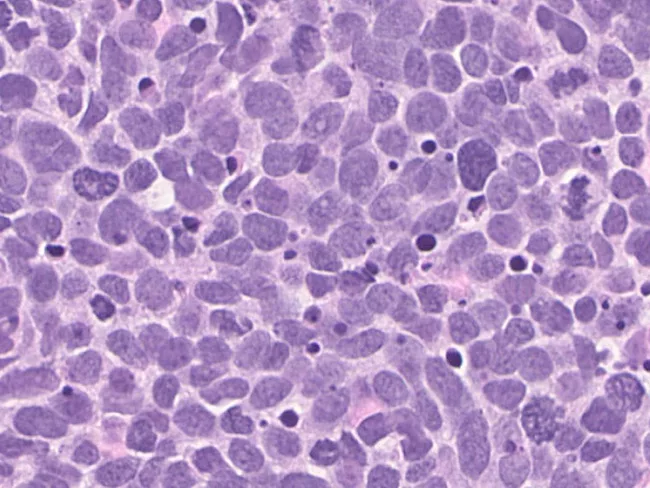
During the first poster session of the 2025 AACR-NCI-EORTC International Conference on Molecular Targets and Cancer Therapeutics, held in Boston, several presentations highlighted novel strategies that move beyond traditional antibody-drug conjugate payloads and targets.
At this year’s AACR-NCI-EORTC conference, several presentations brought to light new ways to tackle the treatment of genomically unstable cancers. Genomically unstable cancers can be treated by exploiting their repair dependencies, inducing catastrophic DNA damage, or harnessing immune responses to instability.
During the first poster session of the 2025 AACR-NCI-EORTC International Conference on Molecular Targets and Cancer Therapeutics, held in Boston, several presentations highlighted novel strategies that move beyond traditional antibody-drug conjugate (ADC) payloads and targets.
Researchers at the Institute for Bioengineering of Catalonia (IBEC) and collaborators have introduced a novel therapeutic strategy for Alzheimer’s disease (AD) that leverages the multivalency of supramolecular nanomedicines to reprogram blood-brain barrier (BBB) function, facilitating efficient amyloid-β (Aβ) clearance and restoring cognitive function in animal models.
Genetic mutations are the primary cause of most rare diseases. Although each condition affects a small fraction of the population, the global impact is significant, with an estimated 300 million individuals affected worldwide. A large proportion of pathogenic missense variants – estimated at 40%-60% – cause rare diseases by impairing protein stability. This underscores protein restoration as a promising therapeutic strategy.
Two back-to-back papers published in Nature on Sept. 10, 2025, shed new light on the unexpected role of neurons in shaping the evolution of small-cell lung cancer (SCLC). It’s already known that, in gliomas, cerebral cancer cells actively damage axons, contributing to tumor progression through direct neural disruption.
Two back-to-back papers published in Nature on Sept. 10, 2025, shed new light on the unexpected role of neurons in shaping the evolution of small-cell lung cancer (SCLC). It’s already known that, in gliomas, cerebral cancer cells actively damage axons, contributing to tumor progression through direct neural disruption. Comparable nerve-tumor interactions have been reported in peripheral cancers, where tumor-induced nerve disruption promotes inflammation and an immunosuppressive microenvironment linked to immunotherapy resistance.
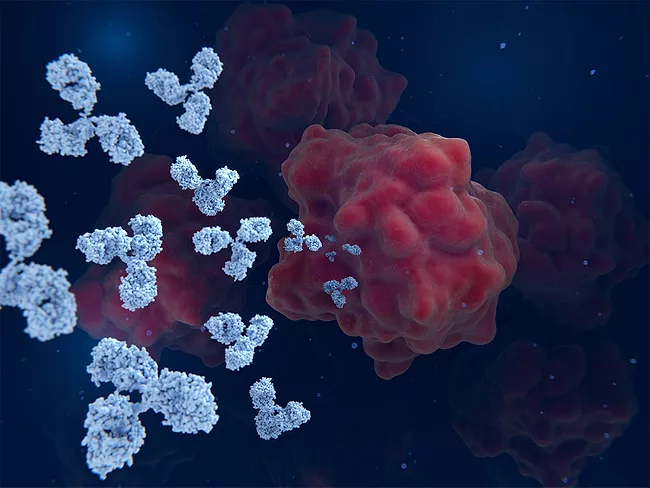
Researchers at the Fred Hutchinson Cancer Research Center found that autoantibodies targeting the exoproteome reshaped checkpoint inhibitor responses and opened new avenues to enhance immunotherapy. In the study published in the July 23, 2025, issue of Nature, the authors set out to address a long-standing question in cancer immunotherapy: why patients with the same type of cancer, treated with the same immunotherapy, can experience such drastically different outcomes.
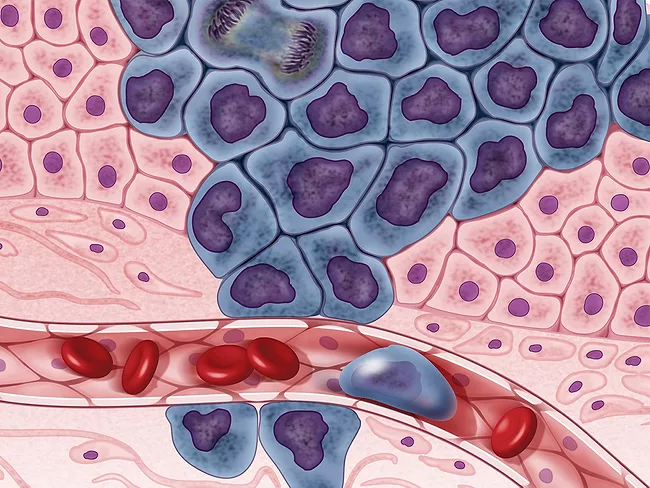
In the current landscape of cancer research, much attention is focused on the tumor microenvironment (TME) at both the primary site and established metastases. However, the early micrometastatic niche remains poorly understood. Researchers from the Hospital del Mar Research Institute (HMRI) have pinpointed T cell immunoglobulin and mucin domain 3 (TIM3) as a key vulnerability in tumor micrometastasis, revealing a new target to halt metastatic progression at its origin.
Researchers at the Chinese Academy of Sciences and collaborators have developed a new method to label and monitor dormant breast cancer cells over time, shedding light on how these cells survive chemotherapy and potentially trigger metastatic relapse in the lung. Breast cancer frequently recurs in distant metastatic sites, even after the primary tumor has fully regressed following initial therapy.