Chinese diabetes specialist Gan & Lee Pharmaceuticals is strengthening its position in metabolic disease after reporting positive phase III data for both once-weekly basal insulin candidate Ludefen and obesity therapy bofanglutide.
Chinese diabetes specialist Gan & Lee Pharmaceuticals is strengthening its position in metabolic disease after reporting positive phase III data for both once-weekly basal insulin candidate Ludefen and obesity therapy bofanglutide.
Liraglutide, a glucagon-like peptide 1 (GLP-1) receptor agonist used in diabetes and obesity, could alleviate depression through a pathway that does not depend on the GLP-1 receptor but instead on the gut microbiota, since the treatment increases the presence of the bacterium Lactobacillus delbrueckii.
Liraglutide, a glucagon-like peptide 1 (GLP-1) receptor agonist used in diabetes and obesity, could alleviate depression through a pathway that does not depend on the GLP-1 receptor but instead on the gut microbiota, since the treatment increases the presence of the bacterium Lactobacillus delbrueckii. This symbiotic microorganism produces a lipid that modulates neuronal activity, normalizing the hyperactivation of brain regions in mice involved in emotional processing, which ultimately reduces depressive behaviors.
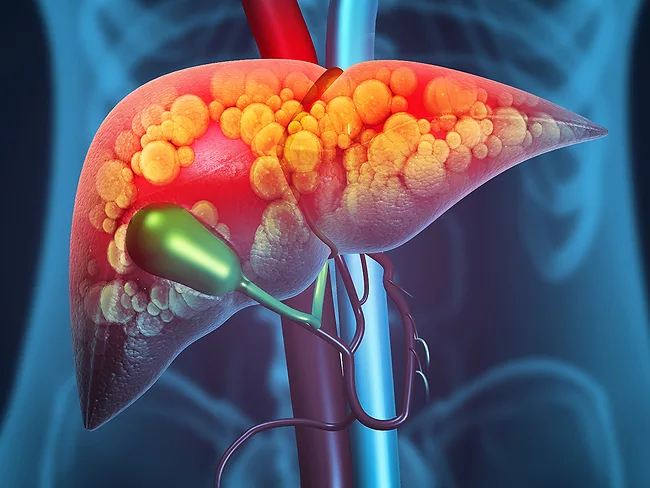
D&D Pharmatech Inc. announced May 27 positive top-line tissue biopsy results of zabopegdutide (DD-01) from a 48-week phase II study of metabolic dysfunction-associated steatohepatitis (MASH), pushing company shares up 30% on the day.
Hanmi Pharmaceutical Co. Ltd. secured a $1.26 billion deal with Eli Lilly and Co. to out-license ex-Korea rights to sonefpeglutide (HM-15912), a Lapscovery-based glucagon-like peptide-2 analog in development for multiple indications, including an ongoing phase II study of short bowel syndrome. It was one of two billion-dollar Asian company deals signed by Lilly on June 1, with the second transaction involving Haisco Pharmaceutical Group Co. Ltd., of Beijing.
Hanmi Pharmaceutical Co. Ltd. secured a $1.26 billion deal with Eli Lilly and Co. to out-license ex-Korea rights to sonefpeglutide (HM-15912), a Lapscovery-based glucagon-like peptide-2 analog in development for multiple indications, including an ongoing phase II study of short bowel syndrome. It was one of two billion-dollar Asian company deals signed by Lilly on June 1, with the second transaction involving Haisco Pharmaceutical Group Co. Ltd., of Beijing.
D&D Pharmatech Inc. announced May 27 positive top-line tissue biopsy results of zabopegdutide (DD-01) from a 48-week phase II study of metabolic dysfunction-associated steatohepatitis (MASH), pushing company shares up 30% on the day.
Posting another win for its triple G agonist, Eli Lilly and Co. rolled out top-line phase III data from Triumph-1 showing that all doses of retatrutide met primary and key secondary endpoints for obesity, with participants losing on average between 19% and 28.3% of body weight and significantly improving their cardiovascular risk factors.
Researchers from Renbio Inc. and Louisiana State University investigated the delivery of plasmid DNA encoding new glucagon-like peptide-1(GLP-1)-based biologics with MYO (Make Your Own) technology as a new therapeutic strategy. This approach ensures the continuous production of GLP-1-based biologics for an extended period, overcoming the need for weekly dosing.