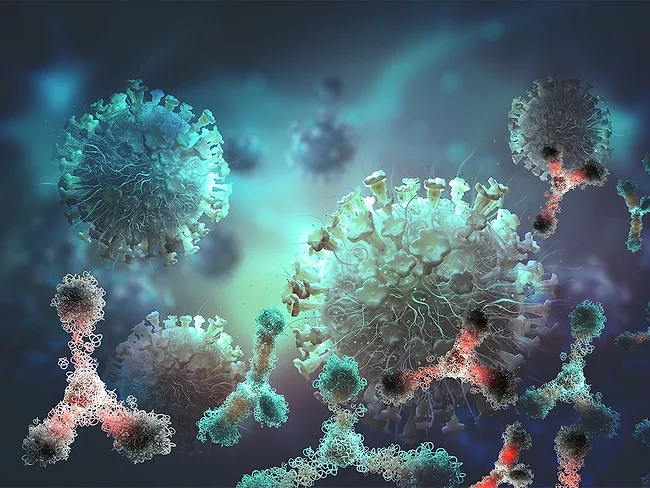
Recent findings are reshaping current understanding of the post-infection landscape of SARS-CoV-2. Although previous studies had already suggested that autoimmunity might underlie the persistent neurological symptoms seen in long COVID, researchers at Yale University and Mount Sinai now reinforce this hypothesis. SARS-CoV-2 infection appears to trigger an autoimmune mechanism that drives chronic pain, fatigue and cognitive impairment in some patients.
Researchers from Sunshine Biopharma Inc. and the University of Arizona reported the discovery and preclinical characterization of MR-1-114, a noncovalent inhibitor of the SARS-CoV-2 papain-like protease (PLpro).
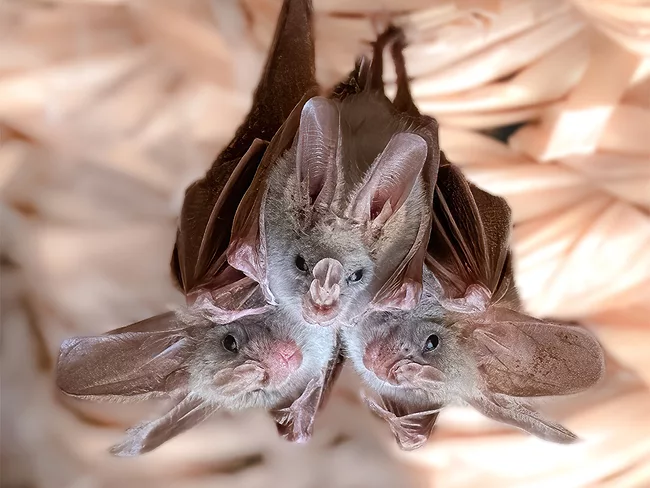
Researchers in the U.K. have developed an AI-driven method of identifying viruses in wild animals with the potential to spillover into humans. The technique makes it possible to use the genome sequences of the spike proteins by which viruses enter host cells to assess the potential to infect humans without having to isolate an individual virus and tests its infectivity in the lab.
SARS-CoV-2 utilizes the angiotensin-converting enzyme 2 (ACE2) receptor for cell entry and triggers ACE2 ectodomain shedding, which results in elevated vasoconstrictor angiotensin II (Ang-II) while depleting the protective Ang-(1-7). This effect can lead to acute respiratory distress syndrome, hypertension, acute kidney injury and organ damage.
Researchers from the University of Naples Federico II (Italy) and collaborating institutions reportedd the design of a next-generation mRNA vaccine that leverages a phylogenetically informed consensus receptor binding domain heterotrimers representing the major variant lineages.
Centre Hospitalier Regional Universitaire de Lille has patented new 3C-like proteinase (3CLpro; Mpro; nsp5) (SARS-CoV-2; COVID-19 virus) inhibitors reported to be useful for the treatment of SARS-CoV-2 infection (COVID-19).
Nxera Pharma UK Ltd. has divulged 3C-like proteinase (3CLpro; Mpro; nsp5) (SARS-CoV-2; COVID-19 virus) inhibitors reported to be useful for the treatment of SARS-CoV-2 infection (COVID-19).
BioWorld’s 2022 end-of-year highlights included a toast to the future – of universal vaccines. Even before SARS-CoV-2 vaccines were developed in record time and saved countless lives during the COVID-19 pandemic, vaccines were a rare bright spot in the fight against infectious diseases. Bacteria are becoming multidrug resistant far faster than new classes of antibiotics are being developed, viral spillover events and vector ranges are increasing, and climate change is helping bacteria and fungi alike breach human thermal protections against infections.
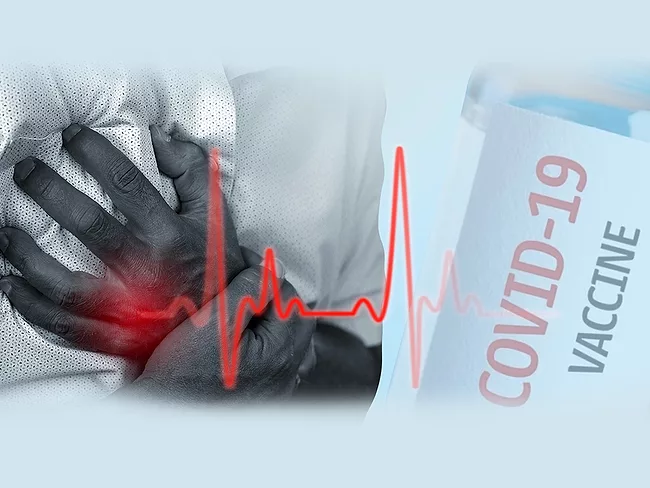
The cardiomyositis that is a rare adverse effect of mRNA-based COVID vaccines is due to immune cell activity as a result of increased levels of the chemokines CXCL10 and interferon-γ (IFN-γ). Blocking CXCL10 and IFN-γ could prevent muscle cell damage in cell culture, and cardiomyositis in animal models. The findings, reported in the Dec. 10, 2025, issue of Science Translational Medicine, suggest a way of mitigating the risk of cardiomyositis.
Aligos Therapeutics Inc. and Katholieke Universiteit Leuven (KU Leuken) have synthesized antiviral compounds reported to be useful for the treatment of coronavirus acute respiratory syndrome, norovirus and picornavirus infections.