Hematopoietic stem cell research over the past century has shown that leukemia may be driven by an invisible hand of inflammation. The bone marrow and inflammation, then, may hold the keys to preventing blood cancers, according to John E. Dick’s plenary session at the 2026 Korean Society of Hematology International Conference, held March 26, 2026.
Hematopoietic stem cell research over the past century has shown that leukemia may be driven by an invisible hand of inflammation. The bone marrow and inflammation, then, may hold the keys to preventing blood cancers, according to John E. Dick’s plenary session at the 2026 Korean Society of Hematology International Conference, held March 26, 2026.
Hematopoietic stem cell (HSC) research over the past century has shown that leukemia may be driven by an invisible hand of inflammation. The bone marrow and inflammation, then, may hold the keys to preventing blood cancers, according to John E. Dick’s plenary session at the 2026 Korean Society of Hematology International Conference (ICKSH 2026), held March 26, 2026. Work in Dick’s lab has found acute myeloid leukemia (AML) HSCs that harbor preleukemic mutations long before any disease diagnosis. These insights have enabled predictive models that could identify individuals at elevated AML risk years before the onset of outright disease, opening the door to new prevention strategies.
During aging, hematopoietic stem cells (HSCs) undergo functional decline affecting their ability to regenerate the hematopoietic system and support lymphoid cell production. This functional decline contributes to some aging-related diseases. Moreover, aging is associated with biomechanical changes in HSCs, including alterations in nuclear envelope tension and nuclear mechanical integrity and mechanotransduction. However, it remains unclear whether aging of somatic stem cells can be prevented by targeting changes in nuclear mechanosignaling.
A group of scientists from Basel University Hospital have designed an antibody-drug conjugate (ADC) that eliminated blood cancer cells without attacking healthy hematopoietic stem cells (HSCs), which they modified by base editing and transplanted to renew an altered blood system. They achieved this by focusing on the panhematopoietic marker CD45.
The U.S. FDA approved Orchard Therapeutics plc’s BLA for gene therapy atidarsagene autotemcel, making it the first treatment option for metachromatic leukodystrophy in the U.S. The one-time treatment, branded Lenmeldy, is indicated for children with presymptomatic late infantile, presymptomatic early juvenile or early symptomatic early juvenile disease.
A new method of CAR T-cell immunotherapy developed by researchers at the University of Pennsylvania Perelman School of Medicine could serve as a treatment for most blood cancers. Until now, CAR T-based immunotherapy for hematological malignancies has targeted the antigens CD19 for B cells, CD7 for T cells, BCMA for myeloma, and CD33 for AML.
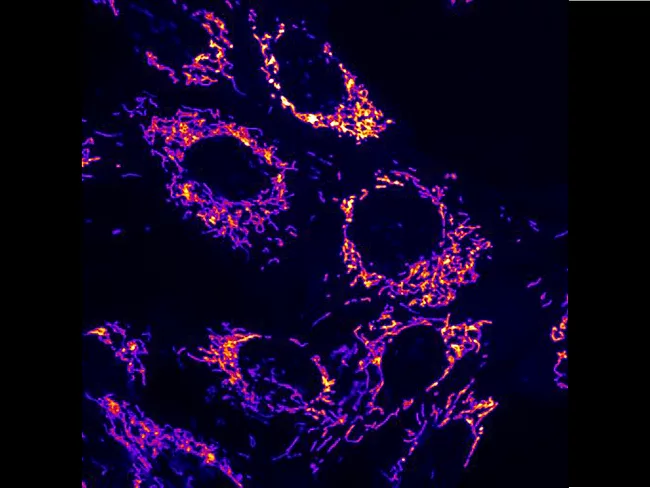
Researchers have demonstrated that inhibiting mitophagy in ‘old’ hematopoietic stem cells (HSCs) completely restored their blood reconstitution capabilities, raising the prospect of addressing the age-related weakening of the immune system that stems from HSCs deteriorating over time.
Researchers have ameliorated both monogenic and complex inflammation-driven diseases through transplantation of hematopoietic stem cells with an inserted IL-1 receptor antagonist (IL-1RA) gene. The team showed that in animal models the transplanted cells worked better than monoclonal antibodies to reduce symptoms in systemic autoinflammatory diseases (SAIDs), a group of childhood-onset, lifelong diseases that vary in severity depending on the underlying mutation, but can be life-threatening.
A proof of concept of ex vivo genetic modification of cells from patients and their transplantation in mice has demonstrated, for the first time, the therapeutic possibilities of prime editing in sickle cell disease (SCD).