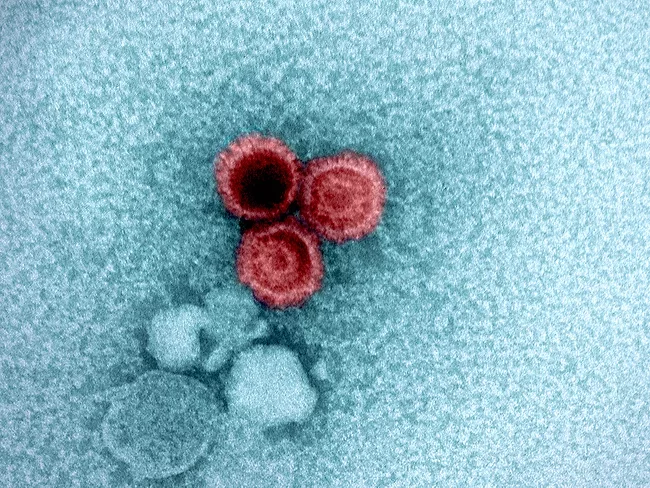
Tahrget Therapeutics Ltd. has patented substituted adefovir compounds acting as viral DNA polymerase inhibitors that are potentially useful for the treatment of Epstein-Barr virus infections.
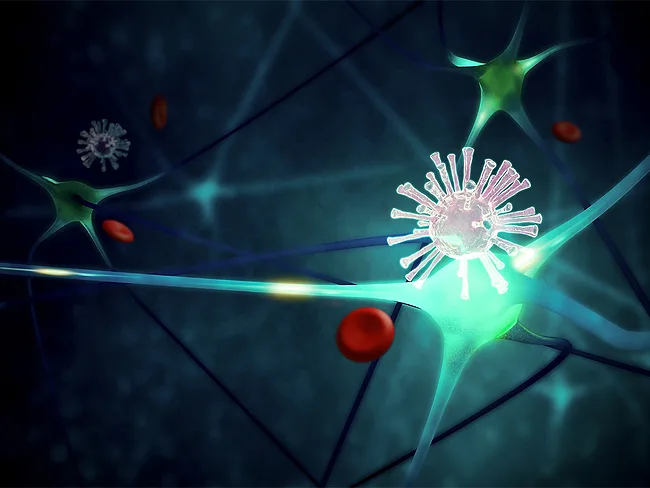
New research has teased out specific aspects of how Epstein-Barr virus (EBV) sparks the immune response that leads on to the development of multiple sclerosis (MS), opening the way to the rational design of vaccines and antivirals that address the root cause of the disease.
New research has teased out specific aspects of how Epstein-Barr virus (EBV) sparks the immune response that leads on to the development of multiple sclerosis (MS), opening the way to the rational design of vaccines and antivirals that address the root cause of the disease.
Innovative Molecules GmbH's new Epstein-Barr virus (EBV) antiviral program consists of several directly acting, highly potent, targeted polymerase inhibitors.
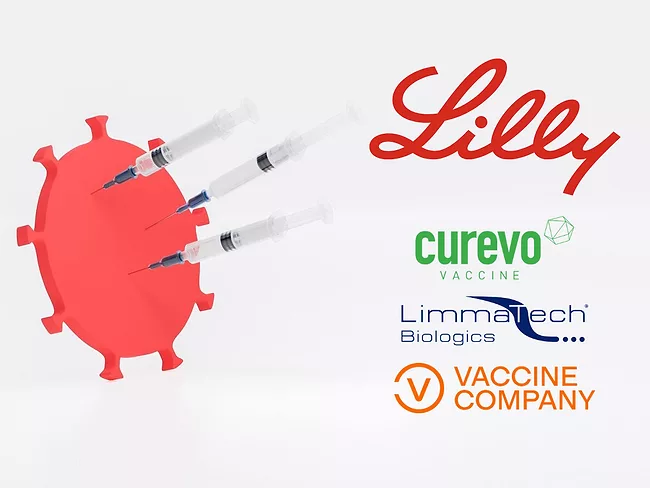
As the most active biopharma acquirer of 2026, Eli Lilly and Co. offered to buy three vaccine companies for up to $3.8 billion combined, while it simultaneously released positive early clinical results of a gene editing medicine brought into the fold last year through its buyout of Verve Therapeutics Inc.
Maxwell Biosciences Inc. has reported findings from a study showing that its broad-spectrum small molecules, named Claromers, are able to destroy Epstein-Barr virus. Claromers destroy pathogenic bacteria, viruses, fungi and biofilms, without harming healthy cells or the microbiome.
Atara Biotherapeutics Inc.’s allogeneic T-cell immunotherapy, Ebvallo (tabelecleucel), for Epstein-Barr virus-positive post-transplant lymphoproliferative disease isn’t out of the running yet. Despite grim predictions in the wake of the U.S. FDA’s second complete response letter for the drug in January, Atara and partner Pierre Fabre Pharmaceuticals Inc. reached agreement with the regulator on a path for resubmitting the BLA.
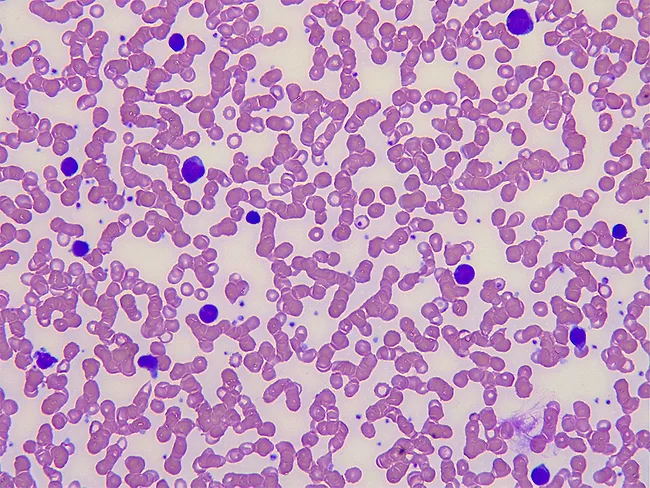
An Anglo-American team of researchers has devised a new computational method for quantifying Epstein-Barr virus (EBV) directly from human genome sequences and used this to identify 22 genes that link higher levels of the virus to a range of chronic diseases. The new method sets the scene for further exploration of biobank DNA sequence data to gain greater understanding of the nature and the role of the human virome, the 10(13) – largely unstudied – viral particles that coexist in humans.
For decades, scientists have searched for a mechanistic link between viral infection and multiple sclerosis (MS). Insights from three studies recently published in Cell bring that connection into sharper focus. By tracing how the immune system responds to Epstein-Barr virus (EBV) – and how those responses can misfire against the brain – researchers are beginning to uncover a compelling biological explanation for MS.
Scientiam Pharma has disclosed new 6-aminophenanthridine derivatives acting as Epstein-Barr nuclear antigen 1 (EBNA-1) inhibitors reported to be useful for the treatment of Epstein-Barr virus (EBV)-associated disorders such as post-transplant lymphoproliferative disorder, multiple sclerosis and infectious mononucleosis.