Without convening the U.S. CDC’s Advisory Committee on Immunization Practices, Health and Human Services Secretary Robert Kennedy decided to bring the government’s COVID-19 vaccine recommendations in line with the FDA’s new “evidence-based” approach to the shots.
Five years after the COVID-19 pandemic gripped the world, the U.S. FDA is moving away from annual routine boosters for all children and adults. Instead of that one-size-fits-all regulatory framework by which it has granted broad COVID-19 vaccine marketing authorization for all Americans older than 6 months, the agency said it’s adopting a policy akin to that followed in Europe, which now restricts the vaccines to older adults and those at high risk for severe disease.
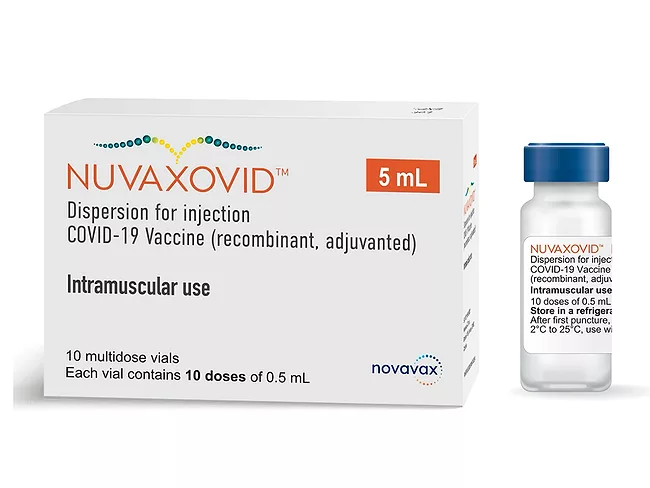
Frets about how the new federal administration might affect prospects for vaccines were quelled at least somewhat by the U.S. FDA green light for Novavax Inc.’s COVID-19 vaccine Nuvaxovid, indicated for adults 65 and over and people 12-64 years old with at least one underlying condition that puts them at risk of severe outcomes from infection by the virus.
Shares of Novavax Inc. (NASDAQ:NVAX) dropped nearly 20% Oct. 16 to close at $10.15 after the company reported a serious adverse event had prompted a U.S. FDA clinical hold for its COVID-19-influenza combination and standalone flu vaccine candidates.
A licensing deal worth potentially up to $1.2 billion with Sanofi SA has breathed new life into Novavax Inc., which has struggled to compete in the COVID-19 space with powerhouses Pfizer Inc. and Moderna Inc.
What was once effective is now a non-starter. Newly updated guidelines from the World Health Organization (WHO) caution against using the COVID-19 treatments sotrovimab, from GSK plc and Vir Biotechnology Inc., and Regen-Cov (casirivimab + imdevimab), from Regeneron Pharmaceuticals Inc. Omicron, the group said, has rendered the monoclonal antibodies ineffective.
During the most infectious COVID-19 month since the pandemic began, January recorded an increase of 82.3 million confirmed cases worldwide, an amount that is fourfold the average monthly increase over the past year. It comes at a time when the highly transmissible omicron variant continues to circulate, bolstered by a new subvariant, BA.2, which is outcompeting its predecessor. Meanwhile, regulatory agencies are authorizing antivirals, swapping monoclonal antibodies based on their efficacy against omicron, and approving new vaccine options, including Novavax Inc.’s protein-based vaccine Nuvaxovid (NVX-CoV2373).
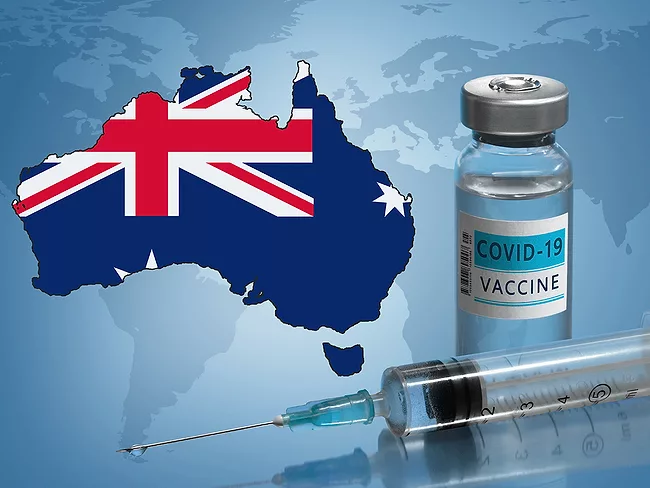
PERTH, Australia – In preparation for easing COVID-19 restrictions and opening its international borders, Australia has added a new vaccine and two new oral antiviral therapies to its arsenal to fight the omicron variant of the SARS-CoV-2 virus that is sweeping the globe. Australia’s Therapeutic Goods Administration granted provisional approval on Jan. 20 to Biocelect Pty Ltd. (on behalf of Novavax Inc.) for its COVID-19 vaccine, Nuvaxovid, as well as two oral antiviral treatments.
South Korea’s Ministry of Food and Drug Safety (MFDS) has greenlighted Novavax Inc.’s Nuvaxovid, making it the first protein-based COVID-19 vaccine to be approved for commercial use in the country. The regulatory win for Novavax adds to emergency use authorizations (EUA) for the product, also known as NVX-CoV2373, in India, Indonesia and the Philippines, as well as an emergency use listing from the World Health Organization. On Jan. 12, the company said it expects to submit an EUA request to the FDA after one month.