Antitumor immunotherapy has notched big wins, but in a small proportion of patients. And one possible explanation for why is that approved immunotherapies are not yet planting their flag on most of the battlefields where tumors and the immune system engage in combat. At the opening AACR 2023 plenary session, Ralph DeNardo celebrated the successes of the current, mostly T-cell-based approaches, but also encouraged his colleagues to think more broadly about the antitumor immunity.
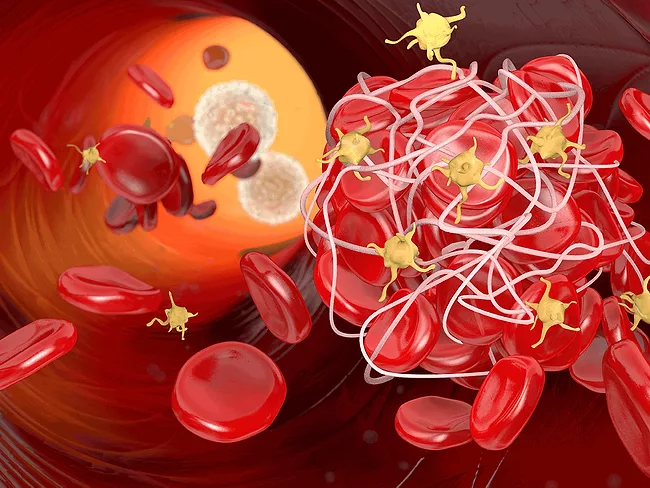
With the backing of €2 million (US$2.17 million) in seed funding from venture capital company Adbio partners, French biotech Calida Therapeutics hopes that drawing on some U.S. academic research into thrombo-inflammatory disorders will enable it to develop a series of monoclonal antibodies.
HIV infects immune cells, mainly CD4+ T cells. But they are not the only ones. It also settles in the genome of myeloid cells, monocytes or macrophages. According to a study from Johns Hopkins University, the viral DNA inserted into myeloid cells is functional. The virus also reactivated from the monocyte-derived macrophage reservoir. New cure strategies need to take these cells into account to eradicate the virus from the body.
The mosaic loss of Y chromosome in myeloid cells is a major risk factor for increased incidence of cardiovascular and fibrotic diseases during aging. The authors of a study published in the July 14, 2022, online edition of Science found that bone marrow-derived myeloid cells exhibited mLOY during aging.