Cervical cancer (CaCx) remains one of the most frequent female malignancies, causing over 300,000 deaths every year. Persistent infection with high-risk human papillomaviruses (HPV), particularly HPV16 and HPV18 strains, drives oncogenesis and tumor maintenance through continual expression of HPV oncogenes E6 and E7. A potential strategy to overcome limitations of current treatments is the development of targeted therapies that exploit alterations in gene expression in CaCx.
A new isoform of proliferating cell nuclear antigen (PCNA) – cancer-associated PCNA (caPCNA) – that is specifically expressed in cancer tissues has been reported. Because cancer cells and HIV-infected cells have similar features, researchers from City of Hope National Medical Center tested the anit-HIV effects of a small-molecule compound, AOH-1996, that targets caPCNA.
Previous studies combining molecular techniques and genetic mouse models revealed the functional roles of several microRNAs and long noncoding RNAs (lncRNAs) in metabolic disorders. In particular, the lnc-megacluster (lncMGC), located on human chromosome 14q32.2 and hosting about 40 miRNAs, plays a role in diabetic kidney disease and pancreatic islet dysfunction. A team at the Beckman Research Institute of City of Hope investigated the regulatory role of lncMGC in obesity and adipose dysfunction.
Glioblastoma multiforme (GBM) is an aggressive brain tumor characterized by cellular heterogeneity, therapy-resistant glioblastoma stem cells (GSCs), and diffuse infiltration. Researchers at City of Hope have reported on targeting GBM using the CF17 oncolytic virus, delivered either directly or via human pluripotent stem cell (hPSC)-derived neural progenitor cell (NPC) carriers.
City of Hope has disclosed proliferating cell nuclear antigen (PCNA) inhibitors acting as apoptosis inducers reported to be useful for the treatment of cancer.
City of Hope conducted RNAseq analysis of patient samples with B-cell acute lymphoblastic leukemia (B-ALL), which revealed that among the m6A machinery genes, YTHDF2, which encodes YTH N6-methyladenosine RNA binding protein F2, was the most significantly overexpressed gene.
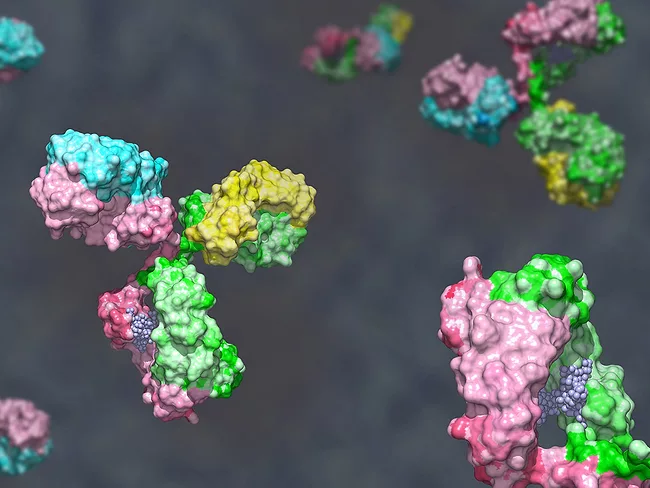
In a recent publication in Scientific Reports, researchers at City of Hope and collaborators presented a novel CS1 bsAb, called CS1-dbBiTE, conjugating an intact anti-CS1 antibody (elotuzumab) and an anti-human OKT3 antibody at their respective hinge regions using Click chemistry.
Researchers at City of Hope were awarded $32.3 million from the California Institute for Regenerative Medicine (CIRM) to support three novel phase I clinical trials evaluating innovative cell and gene therapy treatments for patients with HIV, acute myeloid leukemia (AML) and severe aplastic anemia.
A newly described small molecule inhibitor called AOH-1996 targets a cancer-associated isoform of PCNA (caPCNA), leading to a very broad therapeutic window. Researchers at City of Hope, a cancer research and treatment organization in California, reported on AOH-1996 in the Aug. 1, 2023, online edition of Cell Chemical Biology. Genes involved in replication and repair pathways are essential for the growth and survival of cancer cells. Proliferating cell nuclear antigen (PCNA) is a key player in DNA replication via a homotrimer formation that acts as a molecular sliding clamp around the DNA double helix.
Researchers from City of Hope discussed preclinical data for CD33-targeted chimeric antigen receptor (CAR) T cells being developed for the treatment of acute myeloid leukemia (AML).






.webp?height=488&t=1670008838&width=650 "Acute myeloid leukemia")