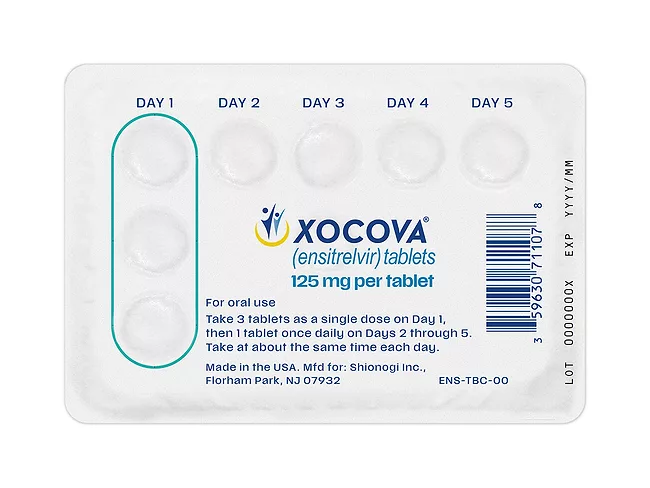
The U.S. FDA approved 24 drugs in May 2026, the busiest month of the year so far. Up from April’s 14, it brings the year-to-date total to 84 approvals. Through May, the agency has cleared 20 new molecular entities, a pace that, if sustained, would put 2026 on track to approach or exceed several recent years.
Missing statistical significance on the primary overall survival phase III endpoint with antibody-drug conjugate (ADC) sigvotatug vedotin compared with docetaxel in non-small-cell lung cancer (NSCLC), Pfizer Inc., which gained the candidate through its $43 billion buyout of Seagen Inc. in 2023, is forging ahead based on subgroup signals, phase I data and an ongoing phase III Keytruda combination effort currently underway.
Biopharma deal value through the first five months of 2026 reached $135.36 billion, outpacing every prior year and topping 2025’s previous high of $103.92 billion. May was the year’s biggest month so far at $41.78 billion in transactions, making it one of the strongest individual months on record, and far outpacing April’s $13.87 billion.
Biopharma deal value through the first five months of 2026 reached $135.36 billion, outpacing every prior year and topping 2025’s previous high of $103.92 billion. May was the year’s biggest month so far at $41.78 billion in transactions, making it one of the strongest individual months on record, and far outpacing April’s $13.87 billion. May 2026 comes in third in recent years in terms of deal value, after October 2023’s $44.91 billion and December 2022’s $42.45 billion.
The recent introduction of the bipartisan Biotech Investment National Security Act in the U.S. House has industry and venture capitalists urging lawmakers to take a breath, step back, and consider a less invasive approach than restricting U.S. biopharma deals with Chinese innovators.
The recent introduction of the bipartisan Biotech Investment National Security Act in the U.S. House has industry and venture capitalists urging lawmakers to take a breath, step back, and consider a less invasive approach than restricting U.S. biopharma deals with Chinese innovators.
Genome-wide association studies (GWAS) have identified multiple loci associated with complex diseases, but these are mostly on regulatory genes in the non-coding part of the genome and it has proved difficult to identify the effector genes that they control. Now, researchers in the U.K. have shown how single cell sequencing at scale can be used to precisely link non-coding GWAS loci to specific protein coding genes and cell types.
Researchers from Pfizer reported preclinical efficacy of PF-08052667, an antibody-drug conjugate (ADC) targeting integrin β6 (ITGB6), in non-muscle-invasive bladder cancer (NMIBC) models.
Pfizer Inc. has reported new biaryl acid compounds acting as phosphatidylinositol 3-kinase α (PI3Kα) H1047R mutant inhibitors potentially useful for the treatment of cancer.
Genome-wide association studies (GWAS) have identified multiple loci associated with complex diseases, but these are mostly on regulatory genes in the non-coding part of the genome and it has proved difficult to identify the effector genes that they control. Now, researchers in the U.K. have shown how single cell sequencing at scale can be used to precisely link non-coding GWAS loci to specific protein coding genes and cell types.