Antares Therapeutics Inc. drew Novartis AG to the table for a potential $1.9 billion collaboration, including a $105 million up-front payment, to discover small-molecule programs against oncology targets considered to be undruggable. It’s Antares’ first partnership since spinning out of Scorpion Therapeutics Inc. about a year ago.
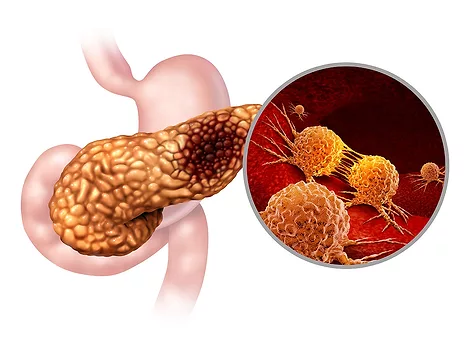
Tango Therapeutics Inc. will be sitting down with the U.S. FDA soon to discuss pivotal work ahead based on what Cantor analyst Eric Schmidt called “amazing” data from the phase I/II study of vopimetostat, a PRMT5 inhibitor, paired with Revolution Medicines Inc.’s RAS(ON) inhibitors in patients with MTAP-deleted and RAS-mutant metastatic pancreatic ductal adenocarcinoma (PDAC) as well as non-small cell lung cancer.
Pfizer Inc. is paying Innovent Biologics Co. Ltd. $650 million up front and up to $9.85 billion in milestones, plus royalties, to collaborate across 12 early stage and de novo antibody-drug conjugates (ADCs) and multispecific antibodies for oncology.