Molecular subtyping of disease is typically associated with cancer. Now, researchers at the University of Cambridge are applying it to infections. Some patients with severe pneumonia progress in different ways. Predicting their trajectories could help tailor treatments and prevent fatal outcomes. To do this, the scientists analyzed bronchoalveolar fluid from several patient cohorts and identified three biological pneumotypes based on which cells are present, which genes are active, and which inflammatory proteins are produced.
Idiopathic pulmonary fibrosis (IPF), a chronic, progressive disease of unknown etiology, is the most common and fatal interstitial lung disease. Currently available treatments for IPF, such as pirfenidone and nintedanib, can slow disease progression and reduce mortality in patients who can tolerate them. However, these drugs frequently cause significant side effects and have been unable to improve quality of life in pivotal trials, which highlights the critical need for discovering novel IPF treatment strategies.
The microbiome and a frontline innate antimicrobial sensor, Toll-like receptor 5 (TLR5), play an essential role in the development of idiopathic pulmonary fibrosis (IPF). A scientific collaboration led by researchers at the National Institute of Environmental Health Sciences has revealed how TLR5 protects against fibrosis through its ability to modulate the lung microbiome. Their study also shows that activating TLR5 protects against fibrosis and corrects pulmonary dysbiosis.
Recent findings are reshaping current understanding of the post-infection landscape of SARS-CoV-2. Although previous studies had already suggested that autoimmunity might underlie the persistent neurological symptoms seen in long COVID, researchers at Yale University and Mount Sinai now reinforce this hypothesis. SARS-CoV-2 infection appears to trigger an autoimmune mechanism that drives chronic pain, fatigue and cognitive impairment in some patients.
Korro Bio Inc. has announced the selection of KRRO-111 as a development candidate for the treatment of alpha-1 antitrypsin deficiency (AATD), a genetic disorder most commonly caused by a single missense mutation in SERPINA1.
HCW Biologics Inc.’s HCW11-040 has been shown in IND-enabling studies to prevent bronchopulmonary dysplasia (BPD), a rare pediatric disease affecting underweight premature infants.
Chinese researchers reported the discovery and preclinical characterization of a novel PROTAC degrader designed to target SAMHD1 and intended for the treatment of pulmonary fibrosis.
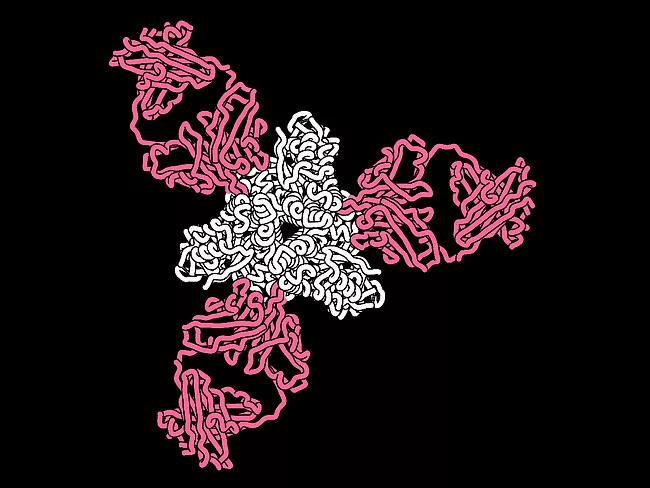
Scientists at the La Jolla Institute for Immunology have identified and characterized human antibodies that neutralize the measles virus by blocking its entry into the cell. This is the first time that antibodies have been shown to bind effectively to two essential viral proteins, creating a dual blockade that prevents infection. Unlike the current vaccine, which is based on an attenuated virus and is not recommended for immunocompromised individuals, these monoclonal antibodies could be used both as a new vaccine approach and as a treatment for the entire population.
Agomab Therapeutics NV has identified new TGF-β receptor type-1 (TGFBR1; ALK5; SKR4; TβR-I) inhibitors designed for use in the treatment of idiopathic pulmonary fibrosis.
Addex Therapeutics Ltd. has released preclinical data demonstrating antitussive activity of its γ-aminobutyric acid subtype B receptor (GABA-B) positive allosteric modulator (PAM) candidate in a bleomycin-induced idiopathic pulmonary fibrosis (IPF)-exacerbated chronic cough model.
 RSS
RSS