Researchers from Astrazeneca plc have presented a novel adeno-associated virus (AAV)-delivered human (h)IL-33 neutralizing scFv-based protein construct at the 2023 World Congress on Basic and Clinical Pharmacology.
China’s NMPA approved Daiichi Sankyo Co. Ltd. and Astrazeneca plc’s Enhertu (fam-trastuzumab deruxtecan) as the first HER2-directed therapy for patients with HER2-low metastatic breast cancer.
The trophoblast cell surface antigen 2 (TROP2) class chalked mix news by way of Astrazeneca plc and Daiichi Sankyo Co. Ltd. as the pair disclosed phase III data from the closely watched Tropion-Lung 1 trial with datopotamab deruxtecan (dato-dxd) against non-small-cell lung cancer.
The trophoblast cell surface antigen 2 (TROP2) class chalked mix news by way of Astrazeneca plc and Daiichi Sankyo Co. Ltd. as the pair disclosed phase III data from the closely watched Tropion-Lung 1 trial with datopotamab deruxtecan (dato-dxd) against non-small-cell lung cancer.
Regulatory T-cell specialist Quell Therapeutics Ltd. has sealed a potential $2 billion agreement under which Astrazeneca plc is taking rights to two autologous Treg cell therapies for treating inflammatory bowel disease (IBD) and type 1 diabetes. Quell will receive $85 million up front, the majority of which is in cash, with a modest (undisclosed) equity investment. Reaching the $2 billion headline figure will involve a series of development and commercial milestones and royalties on sales.
The U.S. FDA’s Antimicrobial Drugs Advisory Committee voted unanimously, 21-0, June 8 in support of Astrazeneca plc’s nirsevimab as a one-dose prophylactic for infants born during or entering their first respiratory syncytial virus (RSV) season.
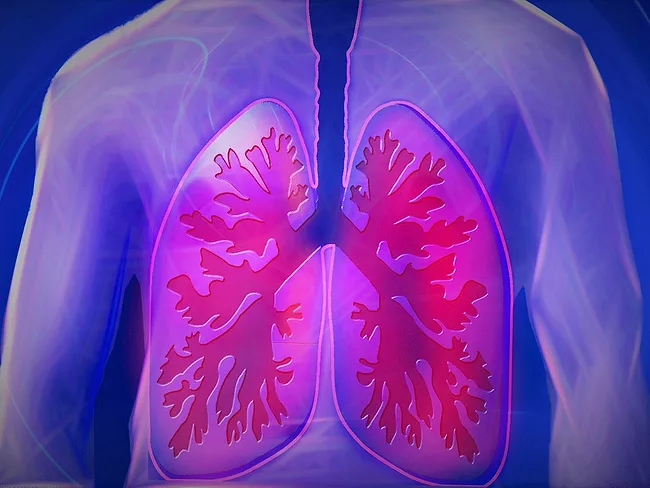
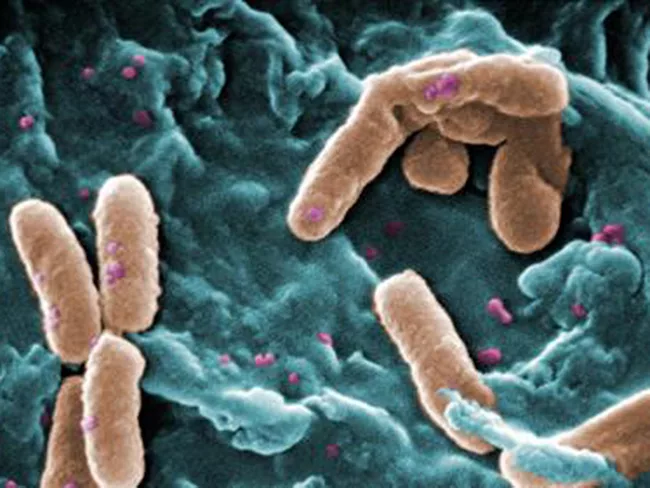
Bronchiectasis is an irreversible chronic respiratory condition arising from secondary infections that presents as chronic cough with daily purulent sputum due to a permanent abnormal widening of bronchi.
Having already notched approvals in the EU and U.K., Astrazeneca plc hopes to prime the pump for a U.S. approval of nirsevimab as a respiratory syncytial virus (RSV) prophylactic for infants when it makes its case June 8 before the FDA’s Antimicrobial Drugs Advisory Committee.