An analysis of more than 1,000 small molecules has identified dozens of compounds that could be effective to treat Marfan syndrome (MFS), an inherited disorder affecting connective tissue, primarily in the heart and blood vessels, the skeleton, and the eyes. In particular, the researchers from Cambridge University found that glycogen synthase kinase-3β (GSK-3β) could be a target to develop new therapies based on its inhibition.
In what is claimed as the largest study of how digital technologies were applied to support population level research during the pandemic, scientists at the U.K. Medical Research Council’s epidemiology unit at Cambridge University have reported high, sustained levels of engagement in a fully remote COVID-19 study that ran at a time when visits to a study center were not possible.
Parties to Astrazeneca plc’s potential $1.8 billion takeover of Cincor Pharma Inc. are keeping mum about contingent value rights included in the deal for baxdrostat, the phase III-bound aldosterone synthase targeter in the works to treat hypertension and chronic kidney disease. Another acquisition that captured headlines as the J.P. Morgan Healthcare Conference launched in San Francisco: the $1.4 billion-plus agreement whereby Chiesi Farmaceutici S.p.A. will take ownership of Amryt Pharma plc. And there was more, as Ipsen SA pledged $952 million to make Albireo Pharma Inc. its own.
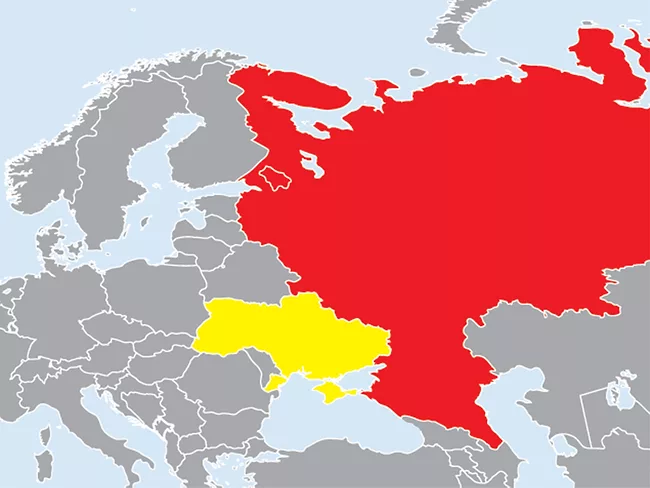
It was a year of turmoil in Europe as Russia’s invasion of Ukraine and the fall-out from the COVID-19 pandemic shaped the fortunes of the life sciences industry in 2022. After years of tension, Russia’s attempt to annex Ukraine on Feb. 24 caused outrage and disruption and was unanimously opposed on humanitarian grounds by the life sciences and pharma industry.
RQ Biotechnology Ltd. (RQ Bio) has announced that the first of its discovered monoclonal antibodies to prevent COVID-19 in vulnerable patients, AZD-3152, has entered clinical trials.
Astrazeneca plc is beefing up its cell therapy capabilities in immuno-oncology by acquiring Neogene Therapeutics BV for an initial outlay of $200 million. There’s up to $120 million more on the table for undisclosed milestones and what the companies called a “non-contingent consideration.” Even without the additional earnouts, the deal represents a profitable return for Neogene’s shareholders. The Amsterdam-based firm had raised $110 million in a series A round in 2020, which represented the largest A round in Europe that year. Since then, it has started to move its first program, an autologous engineered T-cell receptor (TCR) T-cell therapy directed against up to five neoantigens, toward a phase I trial in patients with solid tumors.
C4X Discovery Holdings plc has outlicensed its once daily oral NRF2 (Nuclear factor-erythroid factor 2-related factor 2) activator to Astrazeneca plc in a deal with a potential value of $402 million. Of that, $2 million is being paid up front, with a further $14 million in preclinical milestones, which C4X CEO Clive Dix expects to trigger within the next two years.
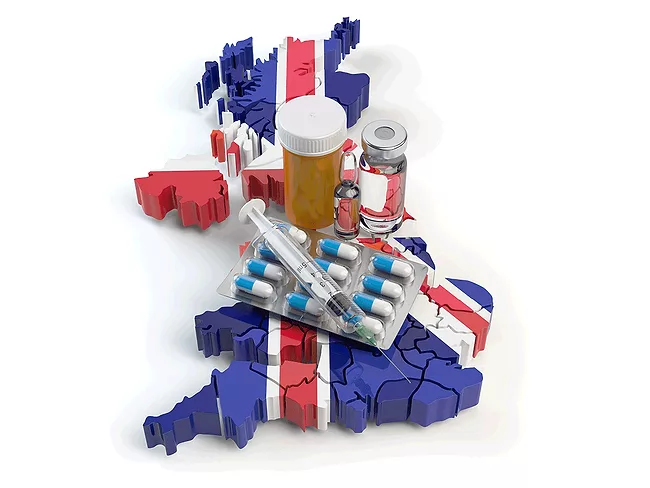
Britain’s National Institute for Health and Care Excellence (NICE), a key gatekeeper on the path to the U.K. market, is backing away from five COVID-19 treatments. No longer recommended in a draft guidance were Ronapreve (casirivimab + imdevimab) from Roche Holding AG, Xevudy (sotrovimab) from GSK plc, and Evusheld (tixagevimab + cilgavimab) from Astrazeneca plc. NICE also recommended discontinuing use of Lagevrio (molnupiravir) from Merck and Co. Inc. and Veklury (remdesivir) from Gilead Sciences Inc.
AZD-4820 was evaluated in a cell viability assay performed in 30 human cancer cell lines, defining 12 different types of cancer, and testing a dose-range of multiplicity of infection (MOI); potent oncolytic activity was observed with EC50 values of <0.1 MOI in nearly all of the tested cells.
Election day has come and gone in the U.S., but the question of which party will control Congress remains unanswered, signaling that the country is as divided as ever politically and ideologically. While Democrats and Republicans may agree on problems in the life sciences sector, they often disagree on how to address them.