Pfizer Inc.’s bivalent prefusion vaccine for protecting newborns from severe respiratory syncytial virus (RSV) hit one of its two primary endpoints in its phase III study, which was good enough for the company to stop enrollment and plan to submit a BLA to the U.S. FDA by year-end. PF-06928316 is one of six RSV vaccines in active phase III development globally, which includes an Astrazeneca plc-Sanofi SA collaboration plus one from GSK plc. Pfizer’s is the only one developed for infants by way of maternal immunization and for older adults.
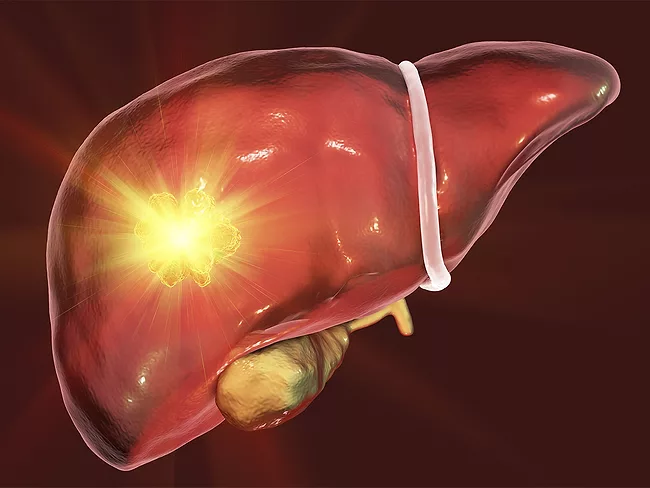
It’s been a long road, but Astrazeneca plc’s anti-CTLA4 antibody, tremelimumab, finally earned its first U.S. FDA nod, cleared for use in combination with anti-PD-L1 drug Imfinzi (durvalumab) to treat patients with unresectable hepatocellular carcinoma (HCC). The commercial impact of the dual checkpoint therapy, however, remains to be seen, as it goes up against Roche Holding AG’s combination of Avastin (bevacizumab) and Tecentriq (atezolizumab), which gained standard-of-care status in first-line HCC in 2021.
Differences in individual responses to COVID-19 vaccines have been linked directly to different human leukocyte antigen (HLA) alleles and it has been shown that people carrying one specific variant, HLA-DQB1*06, generate higher antibody responses and are better protected from SARS-CoV-2 infection.
Anti-SARS-CoV-2 monoclonal antibody (MAb) pair COV2-2196 (tixagevimab, class I) and COV2-2130 (cilgavimab, class III) are human neutralizing Abs (nAbs) that target nonredundant, complementary epitopes within the receptor binding domain of SARS-CoV-2 spike protein (S-RBD).
CSPC NBP Pharmaceuticals Co. Ltd. entered an agreement that will grant it exclusive rights to Harbour Biomed Co. Ltd.’s anti-FcRn antibody, batoclimab (HBM-9161), in greater China, including Hong Kong, Macau and Taiwan.
A Mayo Clinic study demonstrated how the deficiency of the enzyme CDK12 or its regulation by cyclin K causes the expression of mutations related to resistance to endocrine therapy in prostate cancer. Prostate tumors with CDK12 deficiency are more aggressive, recurrent, produce metastases and are associated with castration-resistant prostate cancer (CRPC). CDK12 deficiency impairs DNA repair and increases genomic instability, causing an effect known as homologous recombination deficiency or BRCAness.
An antibody that protects babies against respiratory syncytial virus (RSV) from Astrazeneca Ltd. and Sanofi SA was among a string of recommendations from the EMA’s Committee for Medicinal Products for Human Use, paving the way for approval within the next few months and a potential launch in 2023.
A prespecified interim analysis revealed that Astrazeneca plc’s oral factor D inhibitor danicopan met the primary endpoint of a phase III trial as an add-on therapy for patients with paroxysmal nocturnal hemoglobinuria (PNH) who were also taking a C5 inhibitor, but who still experienced extravascular hemolysis.
An antibody that protects babies against respiratory syncytial virus (RSV) from Astrazeneca Ltd. and Sanofi SA was among a string of recommendations from the EMA’s Committee for Medicinal Products for Human Use, paving the way for approval within the next few months and a potential launch in 2023.
Catalym GmbH reported in an oral session at the European Society for Medical Oncology meeting in Paris that its first-in-class growth differentiation factor 15 inhibitor, visugromab, demonstrated preliminary signs of efficacy in a heavily pretreated group of cancer patients who were resistant or refractory to checkpoint inhibitors.