Astrazeneca plc has signed up for more of the heavy-duty structure-based drug discovery services Proteros Biostructures GmbH specializes in, inking an extension to their existing collaboration agreement.
A congressional investigation into COVID-19 vaccine manufacturing failures at Emergent Biosolutions Inc. unveiled more troubling issues at the company’s Bayview facility in Baltimore, which had been awarded a lucrative U.S. government contract to produce vaccines for Johnson & Johnson.
First results from the U.K. Cov-Boost trial, looking at responses to a fourth dose of an mRNA COVID-19 vaccine, show that antibody levels increase more than after the third dose, confirming the precautionary move to give the most vulnerable a second COVID-19 booster in advance of immune response data being available.
Even though at least two different U.S. district courts have ruled that the 340B enforcement letters the Department of Health and Human Services’ (HHS) Health Resources and Services Administration has sent to biopharma companies violate the Administrative Procedures Act, the agency continues to send the letters, along with threats of civil money penalties, to companies that place restrictions on the 340B discounts to contract pharmacies.
Orphalan SA is laying the ground for a 2023 U.S. launch of Cuvrior for the treatment of Wilson’s disease, following FDA approval of the copper chelating drug. Cuvrior (trientine tetrahydrochloride) is a new salt of trientine that was designed to have superior properties to Syprine (trientine hydrochloride) from Bausch Health Companies Inc. and Cufence from Univar Solutions BV, which are approved as second-line treatments for the rare inherited copper transport disorder, in the U.S. and EU respectively.
China’s Amoy Diagnostics Co. Ltd. (Amoydx) signed a development and commercialization agreement under which Amoy will develop multiple companion diagnostics for Astrazeneca plc across China, the E.U. and Japan.
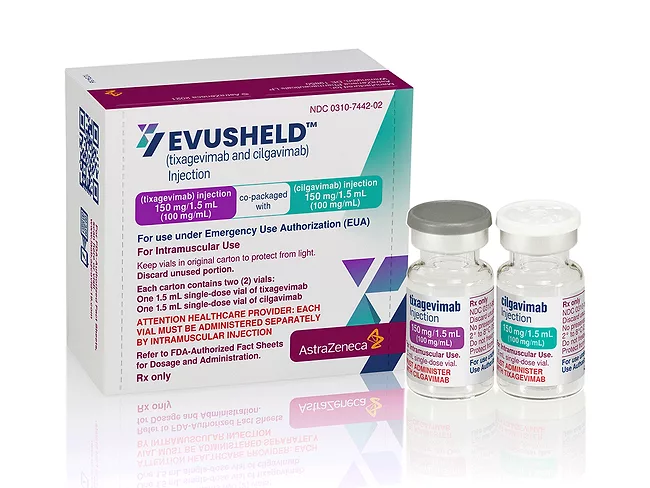
Astrazeneca plc led the handful of firms rolling out COVID-19-related news, as the company said detailed results from the Provent phase III pre-exposure prophylaxis (prevention) trial with Evusheld (tixagevimab and cilgavimab), were published in the New England Journal of Medicine, the “culmination of about 19 months of pretty intensive work,” said Mark Esser, vice president of microbial sciences.
Harbour Biomed Therapeutics Ltd. has out-licensed a preclinical bispecific antibody, HBM-7022, to Astrazeneca plc in a global licensing deal worth up to $350 million.
Harbour Biomed Therapeutics Ltd. has out-licensed a preclinical bispecific antibody, HBM-7022, to Astrazeneca plc in a global licensing deal worth up to $350 million.
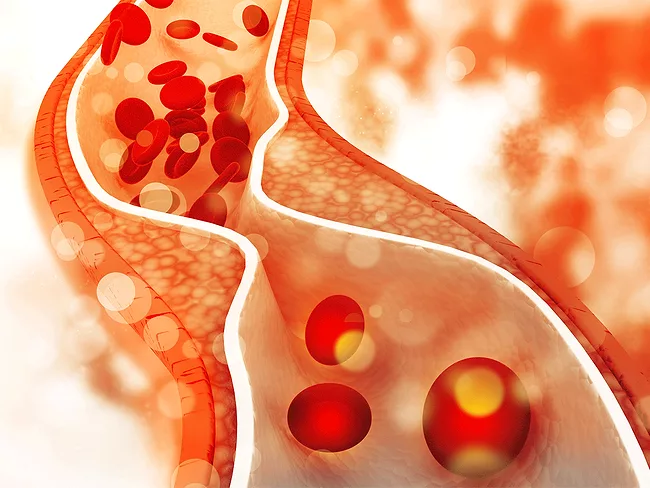
Astrazeneca plc and Ionis Pharmaceuticals Inc. have unveiled some eye-catching figures from their cholesterol drug, AZD-8233, in a phase IIb trial, taking aim at the PCSK9 inhibitor market where Novartis AG, Sanofi SA/Regeneron Inc. and Amgen Inc. are vying for supremacy.