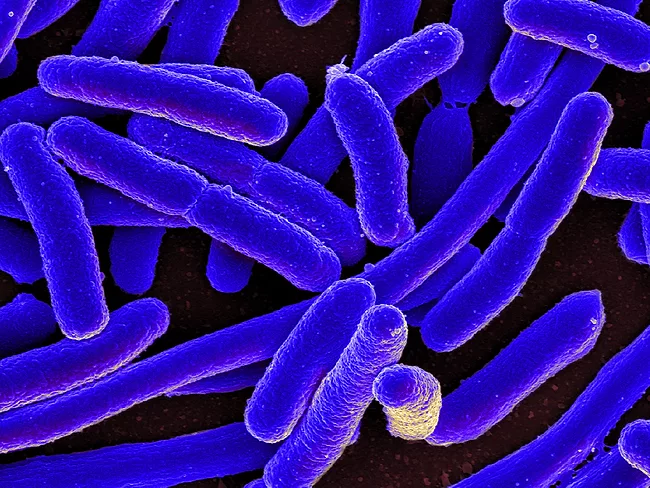
CARB-X is awarding $1.2 million to the Andrew G. Myers research group at Harvard University to develop enhanced antibiotics that target multidrug-resistant gram-negative bacterial pathogens, including Escherichia coli and Klebsiella pneumoniae, to treat urinary tract infections, pneumonia and bloodstream infections.
Stoked Bio Inc. has secured an exclusive global license from McMaster University for the patents covering enterololin, a promising narrow-spectrum antibiotic.
Antimicrobial resistance (AMR) is increasingly compromising the effectiveness of essential antibiotics, resulting in higher global mortality and morbidity rates. Despite this urgent need, few new antibiotics, particularly against gram-negative bacteria, are in development.
Smartbax GmbH has in-licensed a new compound class from the antibacterial portfolio of Aicuris Anti-infective Cures AG to expand its proprietary pipeline of small-molecule antibiotics.
GSK plc and the Fleming Initiative have announced six major new research programs to find new ways to slow the progress of antimicrobial resistance (AMR). The Fleming Initiative is a collaboration established by Imperial College London and Imperial College Healthcare NHS Trust to help tackle AMR. Each of the new programs will begin by early next year and are fully funded for 3 years.
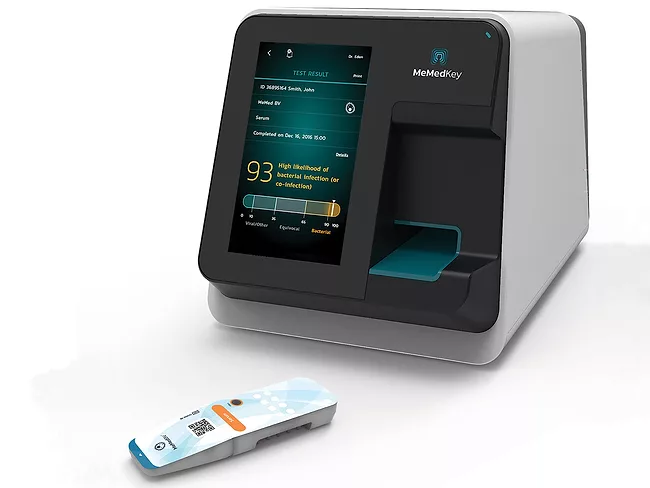
Trials are being conducted at three pediatric emergency departments in England of the Memed BV rapid blood test, designed to help health care providers distinguish between bacterial and viral infections. The test developed by Memed Diagnostics Ltd. can deliver results in as little as 15 minutes, speeding up the diagnosis of serious conditions such as sepsis or meningitis in children.
Smartbax GmbH has announced the successful first closing of its €4.7 million (US$5.4 million) pre-series A financing round to support development of its next-generation antibiotics against multidrug-resistant (MDR) bacteria. A second closing of the round remains open to investors.
As part of global efforts to develop next-generation antibiotics to overcome the growing problem of bacterial resistance to existing drugs, researchers at the Lanzhou Institute of Husbandry and Pharmaceutical Sciences prepared various derivatives of the dimethylcysteamine form of pleuromutilin, a naturally occurring diterpenoid.
Researchers at the Massachusetts Institute of Technology have developed a generative AI model that was able to generate novel antibiotic structures from either chemical fragments or de novo, starting from ammonia, methane, water or no starting point at all. In a study that was published online in Cell, the team tested two dozen of more than 10 million structures that were proposed as potential antibiotics by the model.