The stage is set for a showdown between the pharma industry and national governments and public health experts over which policy the EU should grasp, as it bids to create a pan-European incentive scheme that will encourage innovation and get more antibiotics through to market. At issue is a proposal supported by the industry, under which companies getting approval for a new antibiotic would be given a voucher allowing them to extend market exclusivity of any different drug of their choice for one year.
Low enrollment in a phase III trial and a missed primary endpoint sent Aridis Pharmaceuticals Inc.’s shares tumbling by 35% on Jan. 26, although the company’s AR-301 (tosatoxumab) showed superior efficacy over the control group in Staphylococcus aureus ventilator-associated pneumonia (VAP) patients.
When a drug prevents bacteria from synthesizing their own folate, an essential compound for their survival, they take it directly from the host. This antibiotic resistance mechanism had not been detected until now because bacteria behave differently in the laboratory than they do in vivo during an infection.
When a drug prevents bacteria from synthesizing their own folate, an essential compound for their survival, they take it directly from the host. This antibiotic resistance mechanism had not been detected until now because bacteria behave differently in the laboratory than they do in vivo during an infection.
Researchers from the University of Queensland have published preclinical data on the novel glycopeptide antibiotic MCC-5145, being developed for the treatment of gram-positive bacterial infections.
Forge Therapeutics Inc. has synthesized new UDP-3-O-(R-3-hydroxymyristoyl)-N-acetylglucosamine deacetylase (LpxC) (bacterial) inhibitors reported to be useful for the treatment of Gram-negative bacterial infections.
Executives of Spero Therapeutics Inc. evaded analysts’ attempts to clarify “deficiencies” noted by the U.S. FDA in its ongoing review of the company’s NDA seeking approval of oral carbapenem antibiotic tebipenem HBr for complicated urinary tract infections (cUTIs), emphasizing instead that they have three months to work with the regulator ahead of a June 27 PDUFA date assigned to the application.
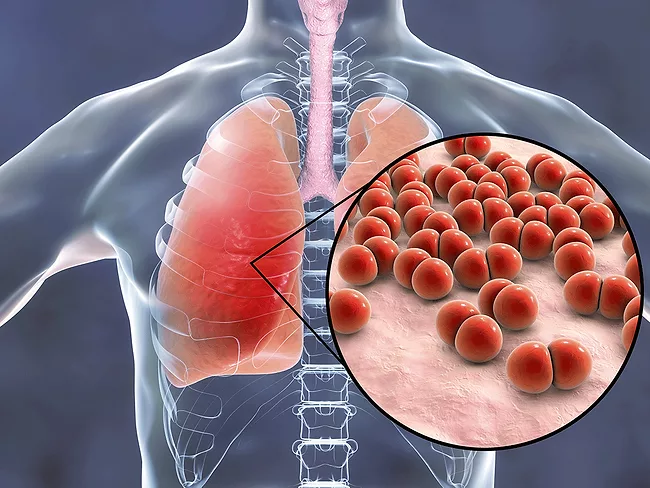
Researchers at the Peter Doherty Institute for Infection and Immunity, the University of Queensland, Griffith University, the University of Adelaide and St. Jude Children's Research Hospital have unlocked a key to making existing front-line antibiotics work again against Streptococcuspneumoniae, the bacteria that cause pneumonia.
An international study led by scientists at the University of Exeter in the U.K. suggests how to combine antibiotic and bacteriophage therapy optimally, in order to reduce antibiotic use and potentially prevent multidrug resistance in bacteria.
Even as antimicrobial resistance is expected to continue to grow, the development of much-needed novel antibiotics and antifungals remains trapped in a catch-22 in which funding is available for early stage research but not necessarily for the translational work necessary to bring the drugs to market.