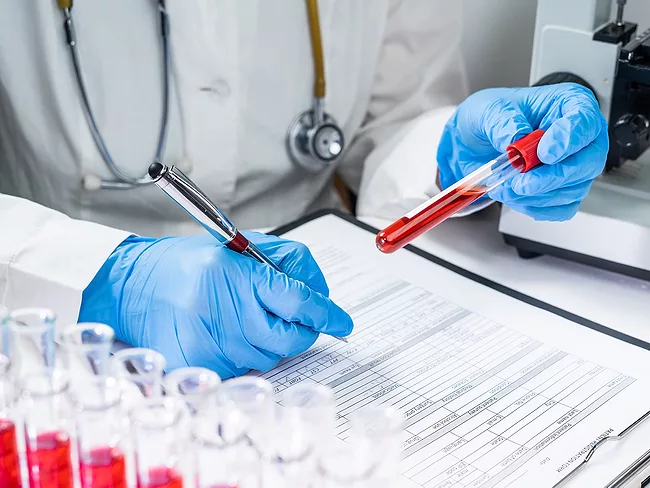
Owkin Inc. has secured CE marking for two first-in-class artificial intelligence (AI)-based diagnostics, marking a move from research use only and towards the mainstream for AI in enabling faster and more efficient analysis of digital pathology slides.
The University of Sydney is investing AU$478 million (US$326.5 million) to build a leading biomedical precinct to fast-track research and shorten the time between discovery and development of transformative therapies.
Nuralogix Corp. has trained machine learning models to interpret blood flow patterns in facial scans to predict whether an individual has prediabetes. The model runs on a smartphone app, which could increase awareness of the risk of developing diabetes in a significant portion of the population.
There may be those who believe that artificial intelligence (AI) is suffering from overexposure in the media, but these software algorithms are nonetheless challenging medical professionals in their use of medical diagnostics. A new study showed that an AI algorithm not only bested the sonographer in interpretation of whether cardiac ultrasound was indicative of left ventricular ejection fraction (LVEF), but also that the results were sufficiently vigorous that the reviewing cardiologist couldn’t distinguish between the sonographer’s interpretations and those provided by the algorithm.
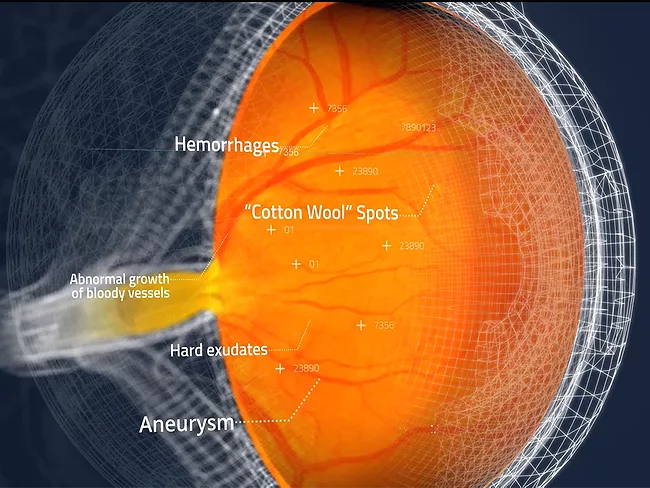
“If you can see the future, you can change it. People say your eyes are the window to your soul, but the eyes are actually the window to your future health,” Toku Eyes Ltd. Founder and CEO Ehsan Vaghefi told BioWorld.
The field of artificial intelligence (AI) is beginning to mature, but this is also becoming a competitive space, with several governmental entities declaring their intent to develop policies to maintain national competitiveness. The U.S. has now entered the fray with a request for information by the International Trade Administration seeking information on policies that might foster the export of AI products developed by U.S. companies, but also on the policies that might enable small and medium enterprises to remain competitive.
Viome Life Sciences Inc. launched its Cancerdetect test for oral and throat cancer, the first in a developing portfolio of tests that use mRNA technology and an artificial intelligence (AI)-driven platform. The saliva-based oral and throat cancer test demonstrated 95% specificity and 90% sensitivity in identifying these notoriously difficult to diagnose malignancies in a recent study.
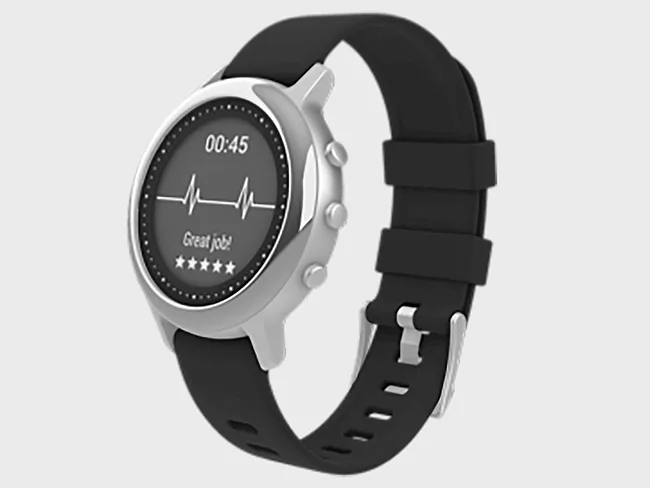
The U.S. FDA has cleared the first clinical grade watch for characterizing atrial fibrillation (afib), the most common type of heart arrhythmia in which the heart beats too slowly or irregularly. Developed by Verily, the health tech arm of Alphabet Inc., together with IRhythm Technologies Inc., the Zio Watch will leverage the ability of IRhythm’s Zeus system to diagnose cardiac arrhythmias by combining wearable biosensing with cloud-based data analytics and artificial intelligence.
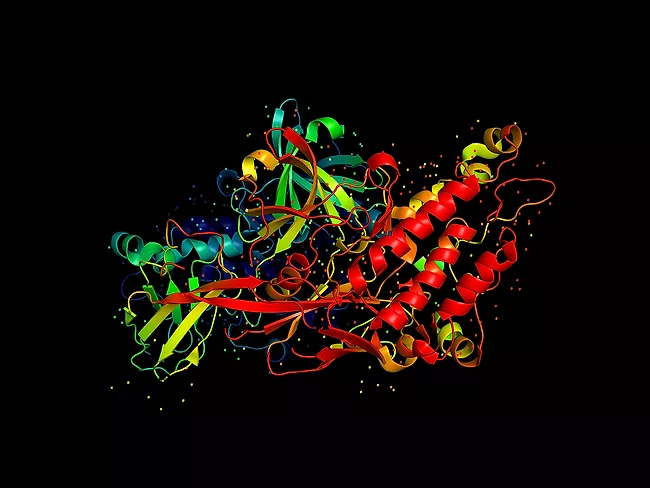
It is now possible to look up the 3D structure of every known protein following the latest release of Alphafold, an open database run in partnership by Deepmind, the London-based artificial intelligence company owned by Google parent Alphabet and the European Molecular Biology Laboratory’s European Bioinformatics Institute in Cambridge, U.K.
Growing collaborations between pharma and technology companies in digital health are beginning to create a new ecosystem in Taiwan that it hopes will increase its value in the global supply chain, speakers said during the BIO Asia-Taiwan conference in Taipei, running July 27-31.