Researchers at the Massachusetts Institute of Technology and Recursion Pharmaceuticals Inc. have released an open-source AI model that can predict the binding strength of small molecules as well as structures of proteins and biomolecular complexes. The model, which is called Boltz-2 and was released by the research team on the developer platform Github on June 6, addresses a major bottleneck in drug discovery with its improved ability to predict binding strengths.
Earendil Labs will collaborate with Sanofi SA in a $1.8 billion license deal. Earendil, which specializes in artificial intelligence-based R&D for biologics, is getting $125 million up front and $50 million as a near-term payment. In return, Sanofi gets the exclusive global rights to the bispecific antibodies HXN-1002 and HXN-1003.
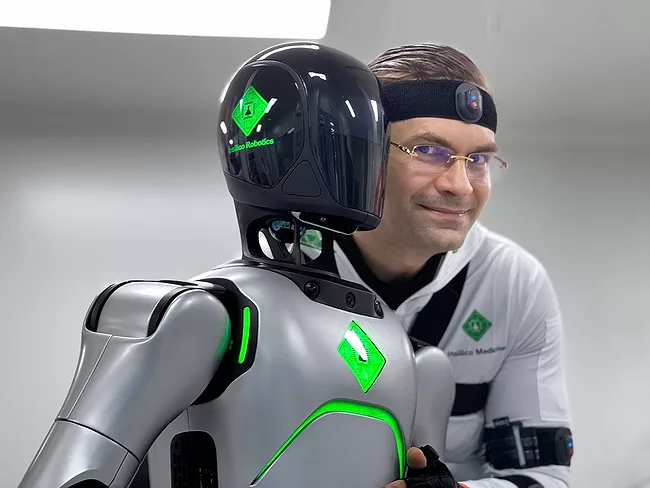
Artificial intelligence (AI) drug developer Insilico Medicine raised $110 million in a series E round led by an Asian private equity fund, Value Partners Group, that will see Insilico advance its pipeline and AI platform developments.
Artificial intelligence (AI) drug developer Insilico Medicine raised $110 million in a series E round led by an Asian private equity fund, Value Partners Group, that will see Insilico advance its pipeline and AI platform developments.
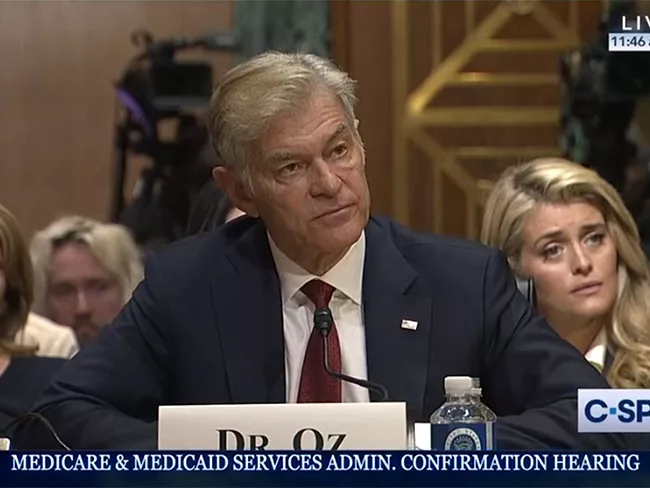
Cardiothoracic surgeon and television personality Mehmet Oz, President Donald Trump’s nominee for administrator of the Centers for Medicare & Medicaid Services (CMS), faced the U.S. Senate’s finance committee on March 14, suggesting the implementation of artificial intelligence (AI) technologies and the reduction of drug prices would be among his top priorities, if confirmed.
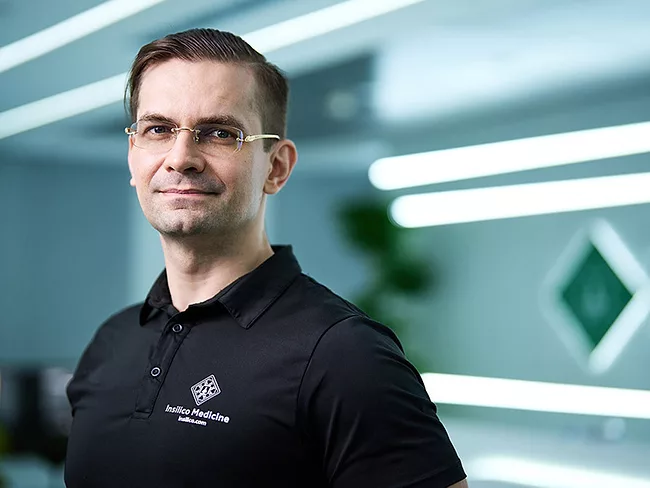
Insilico Medicine founder and CEO Alex Zhavoronkov told BioWorld that he tries to spend as much time as possible in China, because that's where the artificial intelligence (AI) drug development company conducts synthesis and tests for early stage discovery. “And nowadays, not a day goes by without somebody launching an AI drug discovery company,” he said, noting that Chinese AI company Deepseek could be a huge disrupter.
Insilico Medicine founder and CEO Alex Zhavoronkov told BioWorld that he tries to spend as much time as possible in China, because that's where the artificial intelligence (AI) drug development company conducts synthesis and tests for early stage discovery. “And nowadays, not a day goes by without somebody launching an AI drug discovery company,” he said, noting that Chinese AI company Deepseek could be a huge disrupter.
A panel at Biocom California’s 15th Annual Global Life Science Partnering & Investor Conference covered the emerging use of artificial intelligence (AI) to discover and develop drugs. “We’re in a very different place than we were five years ago, or even three years ago, even two years ago, from our ability to harness AI to make advances,” Marc Tessier-Lavigne, CEO of South San Francisco-based Xaira Therapeutics Inc., told the audience, adding that the development is actually accelerating.
Artificial intelligence (AI) technology developer Genesis Therapeutics Inc. has brought in another larger partner to go on a search for the right therapeutic small molecules. The company is getting an up-front $30 million payment from Incyte Corp. and could bring in as much as $295 million per target in development, regulatory and commercial milestones, bringing the deal to about $620 million total.
Newco Linkgevity Ltd. has won backing from the KQ Labs accelerator program at the Francis Crick Institute in London, enabling it to take forward the lead program, an anti-necrotic drug for treating acute kidney injury, and to further develop its AI-driven system for identifying aging-related therapeutic targets. Alongside access to the Crick’s expertise in translational research and in shaping academic science to make it investible, companies joining KQ Labs receive an equity investment.