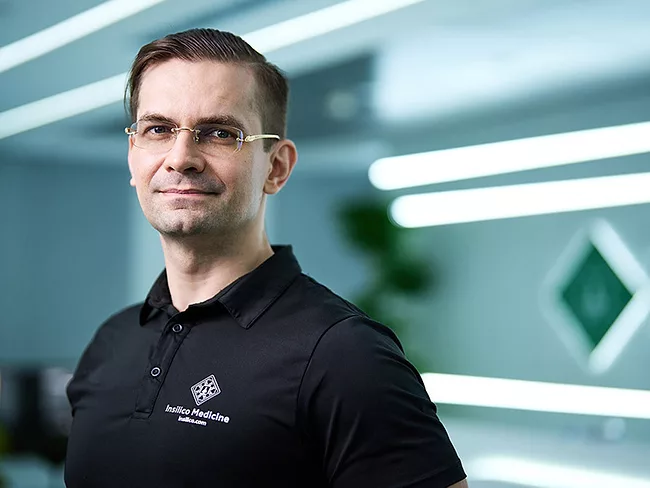
Insilico Medicine founder and CEO Alex Zhavoronkov told BioWorld that he tries to spend as much time as possible in China, because that's where the artificial intelligence (AI) drug development company conducts synthesis and tests for early stage discovery. “And nowadays, not a day goes by without somebody launching an AI drug discovery company,” he said, noting that Chinese AI company Deepseek could be a huge disrupter.
Insilico Medicine founder and CEO Alex Zhavoronkov told BioWorld that he tries to spend as much time as possible in China, because that's where the artificial intelligence (AI) drug development company conducts synthesis and tests for early stage discovery. “And nowadays, not a day goes by without somebody launching an AI drug discovery company,” he said, noting that Chinese AI company Deepseek could be a huge disrupter.
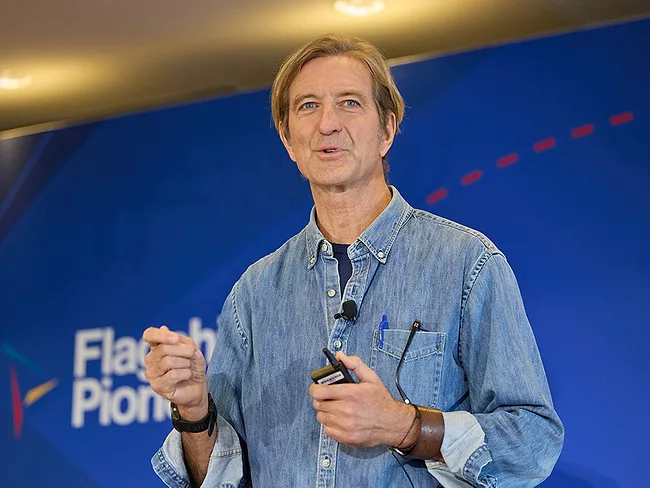
A panel at Biocom California’s 15th Annual Global Life Science Partnering & Investor Conference covered the emerging use of artificial intelligence (AI) to discover and develop drugs. “We’re in a very different place than we were five years ago, or even three years ago, even two years ago, from our ability to harness AI to make advances,” Marc Tessier-Lavigne, CEO of South San Francisco-based Xaira Therapeutics Inc., told the audience, adding that the development is actually accelerating.
Artificial intelligence (AI) technology developer Genesis Therapeutics Inc. has brought in another larger partner to go on a search for the right therapeutic small molecules. The company is getting an up-front $30 million payment from Incyte Corp. and could bring in as much as $295 million per target in development, regulatory and commercial milestones, bringing the deal to about $620 million total.
Newco Linkgevity Ltd. has won backing from the KQ Labs accelerator program at the Francis Crick Institute in London, enabling it to take forward the lead program, an anti-necrotic drug for treating acute kidney injury, and to further develop its AI-driven system for identifying aging-related therapeutic targets. Alongside access to the Crick’s expertise in translational research and in shaping academic science to make it investible, companies joining KQ Labs receive an equity investment.
Newco Linkgevity Ltd. has won backing from the KQ Labs accelerator program at the Francis Crick Institute in London, enabling it to take forward the lead program, an anti-necrotic drug for treating acute kidney injury, and to further develop its AI-driven system for identifying aging-related therapeutic targets.
The BioWorld Insider podcast is a monthly dive into the business and science of drug development. Conversations with CEOs and BioWorld analysts in the past 12 months have included a wide range of chats with experts who are shaping the future.
The BioWorld Insider podcast is a monthly dive into the business and science of drug development. Conversations with CEOs and BioWorld analysts in the past 12 months have included a wide range of chats with experts who are shaping the future.
With artificial intelligence (AI) becoming more and more common in drug development since 2016, the U.S. FDA is now issuing its first draft guidance on that use. The “FDA recognizes the increased use of AI throughout the drug product life cycle and across a range of therapeutic areas. In fact, CDER has seen a significant increase in the number of drug application submissions using AI components over the past few years,” a CDER spokesperson told BioWorld. “These submissions traverse the drug product life cycle, which includes nonclinical, clinical, postmarketing and manufacturing phases.”
More than two years since emerging from stealth, Vesalius Therapeutics Inc. signed its first major pharma deal with GSK plc. Worth up to $650 million and possibly more if an option is exercised, the multitarget alliance aims to discover and develop novel treatments for Parkinson’s disease and another neurodegenerative indication.