What’s the plan? The U.S. CDC is being asked that question a lot these days – not just about COVID-19, but also about preparing for what could be a tough influenza season as flu bugs circulate with the coronavirus.
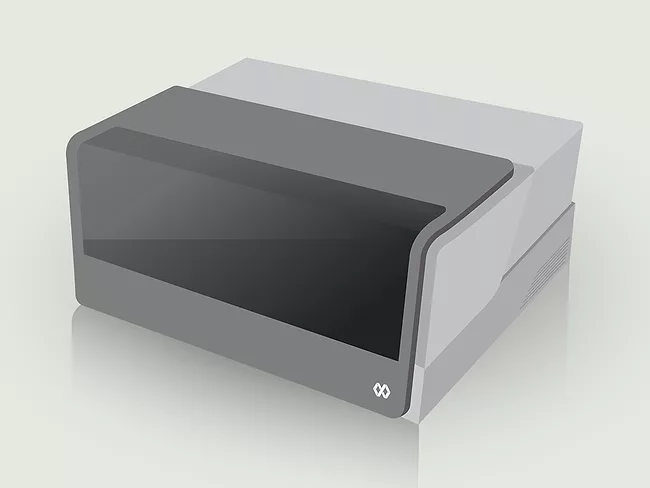
The idea of being able to produce vaccines at the point of care with the push of a button may sound futuristic, but Codex DNA Inc. claims it will have the first fully automated, tabletop vaccine printer ready for the market in 18-24 months. Will this be a game-changer in rolling out a COVID-19 vaccine? Probably not. But the technology could better position health officials to respond to the next pandemic, or eventually to produce a better, faster influenza vaccine each year.
With COVID-19, questions about how infections cause lasting immunity, or don’t, and how you know and what it all means for vaccines have become a matter of public focus. But some immunologists have been pondering those questions for years. “The immune system has a very good memory,” Bali Pulendran told BioWorld. “Clearly, some viruses and some pathogens can enter the body and stimulate the immune system, and the immune system can remember that encounter for decades.”
HONG KONG – Osaka, Japan-based Shionogi & Co Ltd. continues to make global inroads with its influenza treatment, Xofluza (baloxavir marboxil), submitting supplemental new drug applications in Japan and Taiwan for a post-exposure prophylaxis indication on the back of positive results from its phase III trials.
HONG KONG – Osaka, Japan-based Shionogi & Co Ltd. continues to make global inroads with its influenza treatment, Xofluza (baloxavir marboxil), submitting supplemental new drug applications in Japan and Taiwan for a post-exposure prophylaxis indication on the back of positive results from its phase III trials.
DUBLIN – Osivax SAS has assembled a public funding package of more than €32 million (US$36.3 million) to pursue ongoing clinical development of its universal flu vaccine and to take forward a coronavirus vaccine program based on a similar approach, involving vaccine-like particle (VLP) technology.
Specific therapies against a new disease take time to develop. But there are methods that can speed up that development – and in the meantime, there are ways to make do with what’s already in the cupboard.
“In any crisis, leaders have two equally important responsibilities: solve the immediate problem and keep it from happening again... The first point is more pressing, but the second has crucial long-term consequences.” So wrote Bill Gates in a February editorial in The New England Journal of Medicine about COVID-19, which “has started behaving a lot like the once-in-a-century pathogen we’ve been worried about.”
The drug screens prompted by the SARS and MERS outbreaks have been useful for quickly identifying drug candidates. But in terms of their epidemiology, “SARS and MERS were different from this coronavirus,” Allison McGeer explained at a Feb. 3 webinar by Evercore ISI.