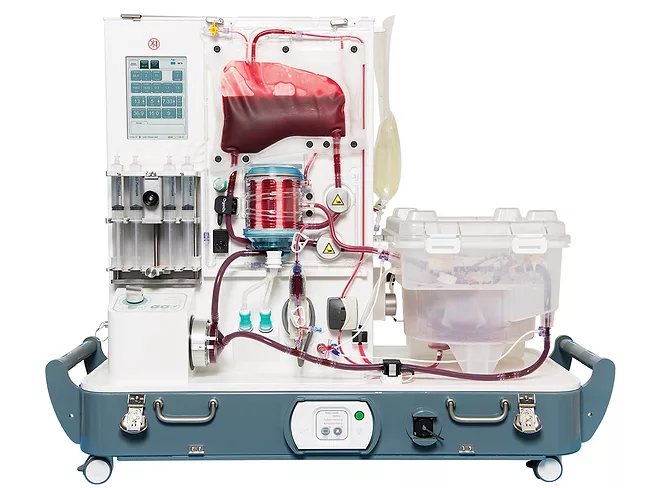
Organox Ltd.’s normothermic machine perfusion device, Metra, has been cleared by the U.S. FDA for use during air transport. The greenlight from the regulatory body paves the way for the broader use of donor organs that might otherwise be discarded, as the Metra system circulates oxygen and nutrient rich perfusate through the organ at near-body temperature, extending preservation times.
After making a significant strategic investment in Oxganox Ltd. earlier this year, Terumo Corp. quickly returned to buy the organ preservation company. On Aug. 25, the companies announced that Terumo would acquire Organox for $1.5 billion, marking Terumo’s entry into the organ transplant sector. The transaction is one of the largest exits ever for the U.K. med-tech sector.
Transplanting an animal organ into a human is now a closer reality following the successful xenotransplantation of a genetically modified pig liver into a patient diagnosed with brain death in China. The operation was intended to evaluate organ function over a 10-day period. This is a complex experimental trial that did not involve removing the patient's liver and still requires further study. However, the positive preclinical results suggest this strategy could save the lives of those waiting for a human organ, at least in certain cases.
Scientists at Massachusetts General Hospital have revealed how chronic liver injury alters hepatic stellate cells (HSCs), triggering the formation of fibrotic scarring in the liver. The researchers have shown that this cell type transdifferentiates into myofibroblasts, which generate excess extracellular matrix, driven by the activation of ABHD17B, an enzyme that could be investigated as a therapeutic target to inhibit liver fibrosis.
Transplanting an animal organ into a human is now a closer reality following the successful xenotransplantation of a genetically modified pig liver into a patient diagnosed with brain death in China. The operation was intended to evaluate organ function over a 10-day period. This is a complex experimental trial that did not involve removing the patient's liver and still requires further study. However, the positive preclinical results suggest this strategy could save the lives of those waiting for a human organ, at least in certain cases.
Transplanting an animal organ into a human is now a closer reality following the successful xenotransplantation of a genetically modified pig liver into a patient diagnosed with brain death in China. The operation was intended to evaluate organ function over a 10-day period. This is a complex experimental trial that did not involve removing the patient's liver and still requires further study. However, the positive preclinical results suggest this strategy could save the lives of those waiting for a human organ, at least in certain cases.
Researchers from Aligos Therapeutics Inc. have presented the discovery and preclinical evaluation of a novel next-generation liver targeted PD-L1 small molecule inhibitor, ALG-094103, which is being developed for the treatment of chronic hepatitis B and liver cancer.
There have been no signs of liver damage with Novartis AG’s oral Bruton’s tyrosine kinase (BTK) inhibitor remibrutinib for treating chronic spontaneous urticaria, top-line results from two phase III trials show, suggesting that faith in the faltering BTK space could be restored.
Researchers led by Congcong He at Northwestern University have found that exercise caused contracting muscles to secrete a glycoprotein called fibronectin (FN1) that induced autophagy in the liver which, in turn, drove insulin sensitization. They reported their findings online in Cell Metabolism on Feb. 21, 2023. He is an assistant professor of cell and developmental biology at the Feinberg School of Medicine.
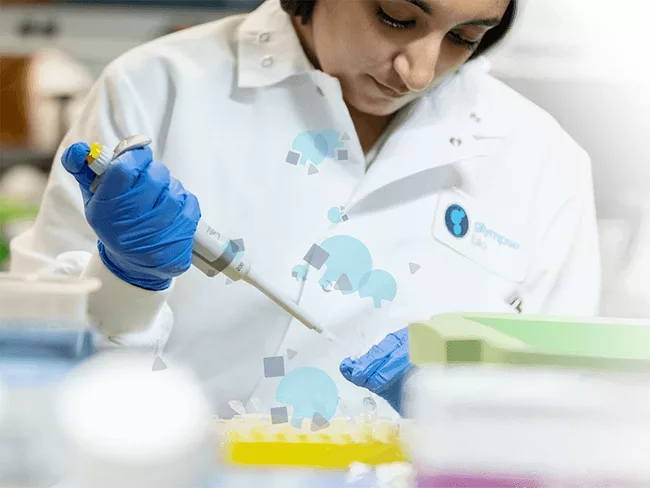
Glympse Bio Inc.’s diagnostic platform has demonstrated the ability to detect hepatocellular carcinoma (HCC) in blood, offering a non-invasive method for diagnosing the disease much earlier and more reliably than current approaches. The platform uses biosensors and machine learning to measure protease activity in plasma samples. Details of studies demonstrating the system’s accuracy in HCC will be presented at the International Liver Conference 2022 in London.