The Feb. 10 meeting of the U.S. FDA’s Oncologic Drugs Advisory Committee (ODAC) is about far more than one biologic license application (BLA), as the single question the agency will put to the committee is whether data from a trial in one foreign country are sufficient to support approval in the U.S.
Eli Lilly and Co. has the dubious distinction of receiving the first untitled letter in 2022 from the FDA’s Office of Prescription Drug Promotion. The letter, sent Jan. 19 and posted this week, takes the Indianapolis-based company to task for an Instagram ad promoting Lilly’s diabetes drug Trulicity (dulaglutide).
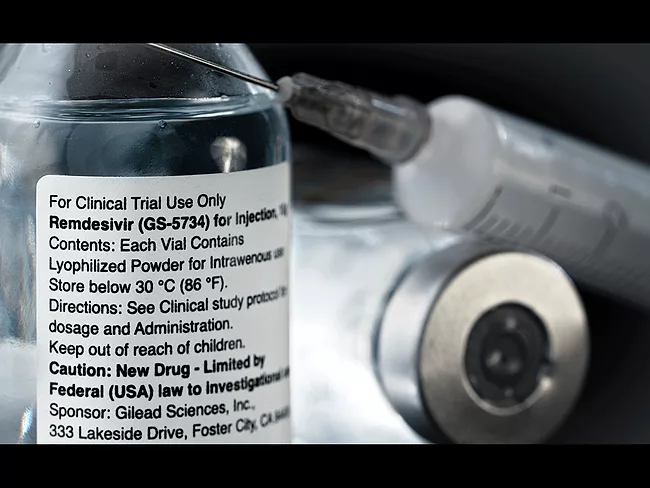
Once again, the U.S. FDA giveth and it taketh away. Just a few days after expanding its approval for Gilead Sciences Inc.’s Veklury (remdesivir) to provide access to more people infected with COVID-19, the FDA essentially shut down the use of two monoclonal antibody (mAb) treatments Jan. 24 that had been authorized to treat mild-to-moderate COVID-19 infections – Regeneron Inc.’s Regen-Cov (Ronapreve in Europe), an antibody cocktail of casirivimab and imdevimab, and Eli Lilly and Co.’s bamlanivimab and etesevimab that are administered together.
LONDON – Evotec SE put the biggest ever headline figure on one of its pharma drug discovery collaborations, announcing a $1 billion deal with Eli Lilly and Co. in metabolic diseases. The Hamburg, Germany-based company will be responsible for the discovery of drug candidates for the treatment of diabetes and chronic kidney disease against targets identified by Lilly or Evotec, or sourced externally. Lily has rights to up to five programs, to be developed in the partnership and to take on any subsequent development, clinical validation and commercialization activities. The collaboration initially runs for three years.
“There isn’t a better place to be” now than in Alzheimer’s disease (AD) drug development, said Phyllis Ferrell, global head of external engagement in AD and neurodegeneration at Eli Lilly and Co., during Biotech Showcase’s panel talk titled, “Aduhelm: Stimulating the Next Generation of AD Treatment.”
The hinge of the new development deal between Entos Pharmaceuticals Inc. and Eli Lilly and Co. is also the core of Entos’ business: delivering a drug without significant toxicity. Development of the cargo is only part of the story in creating safe and effective medicine, Entos CEO John Lewis told BioWorld. “You have to have a safe and effective delivery system.”
The FDA went from zero to two oral antivirals to treat COVID-19 in the space of two days, granting emergency use authorizations last week to Pfizer Inc.’s Paxlovid and Merck & Co. Inc.-Ridgeback Biotherapeutics Inc.’s molnupiravir. Both five-day regimens are authorized for use, within five days of COVID-19 symptom onset, in individuals at high risk of progressing to severe disease, including hospitalization and death.
Foghorn Therapeutics Inc. is receiving $300 million up front in cash in its new collaboration with Loxo Oncology at Lilly to develop oncology medicines. Foghorn could bring in up to $1.3 billion in development and commercialization milestones. In addition, Lilly will invest $80 million in Foghorn.
Regor Therapeutics Group and Eli Lilly and Co. have inked a collaboration and licensing deal to co-develop therapies for metabolic disorders in a deal worth more than $1.5 billion. Under terms of the agreement, Lilly is gaining access to Regor IP to support its development of therapies for obesity and diabetes.
Pharmaceutical companies in China will cut the prices for more than five dozen drugs by an average of 61.7% to get them on the latest version of the country’s National Drug Reimbursement List. The National Healthcare Security Administration released the new list on Dec. 3, 2021. The new list includes 74 new drugs, the vast majority of which are branded products without generic versions in China. Only seven of the new drugs on the list have generic versions.