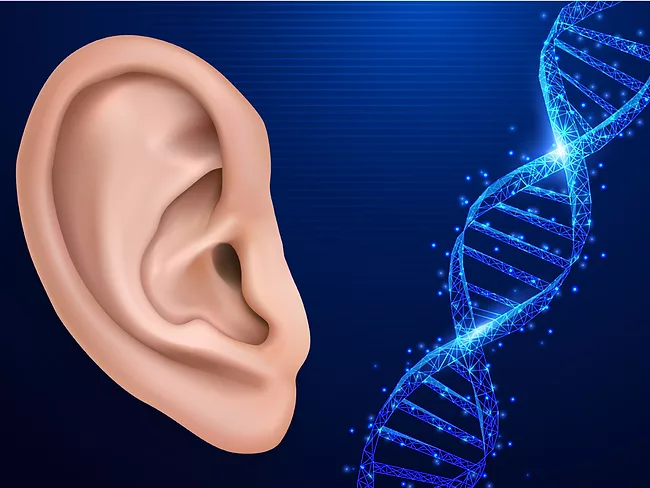
Patients with congenital hearing loss could benefit from a gene therapy currently in development. Although there are approaches that could reverse the process in children and young people before it becomes severe, so far, adults do not have any treatment that prevents the progressive deterioration of auditory sensory cells caused by this disease.
Just because a statement turns out to be false doesn’t mean it was intended to be, the U.S. Court of Appeals for the First Circuit said in tossing a stockholder class action against Frequency Therapeutics Inc., now part of Korro Bio Inc.
Scientists spread across Europe and the U.S. filed for protection of an implantable electrode array including a plurality of microneedles, which may be implanted into the auditory nerve bundle and stimulate the auditory nerve in response to receiving electrical signals representative of observed sounds.
Shionogi & Co. Ltd. has entered into an option agreement with Cilcare Dev SAS to acquire the exclusive license for the global development, manufacturing and commercialization of hearing loss treatment drug candidates CIL-001 and/or CIL-003.
Shionogi & Co. Ltd. has entered into an option agreement with Cilcare Dev SAS to acquire the exclusive license for the global development, manufacturing and commercialization of hearing loss treatment drug candidates CIL-001 and/or CIL-003.
One in every 500 newborns worldwide are affected by nonsyndromic hearing loss (NSHL). Whole-exome sequencing may help in identifying the genetic cause of NSHL.
In what represents its first patenting, Sonura LLC has been issued with a patent for an aural device designed to protect the hearing of infants in a neonatal intensive care unit (NICU) by active filtering, while, at the same time, providing aural stimulation for neurological development.
After a disappointment with the same product in another indication about two years ago, Sensorion SA met the primary endpoint in its proof-of-concept phase IIa trial with SENS-401 for residual hearing preservation after cochlear implant.
Noise-induced hearing loss is still the most common cause of acquired hearing loss nowadays. The mechanisms behind this may be explained through inflammatory responses in the cochlea after acoustic trauma.