The main feature of type 1 diabetes is the destruction of pancreatic β cells that produce insulin. Immunotherapy directed at inhibiting immune interactions between cytokines and islet cells and preserving its functioning is key to reverse the progression of the disease.
Abbott Laboratories grabbed attention in early June with its announcement of a partnership with Tandem Diabetes Care Inc. to develop a multianalyte sensor for people with diabetes that would measure ketones as well as glucose.
Classically, the diagnosis of type 1 diabetes comes after a patient presents with unexplained weight loss, extreme thirst and frequent urination and a lab test reveals off-the-charts blood glucose levels. At the 85th Scientific Sessions of the American Diabetes Association in Chicago, researchers highlighted two options – a blood test and a machine learning model – for diagnosing the disease much earlier in its progression, when damage to the pancreas' beta cells could be slowed.
Pregnant women with type 1 diabetes who used a hybrid closed loop automated insulin delivery system averaged more than three additional hours per day in their recommended glucose range than those who managed their diabetes with insulin injections or non-automated pump systems, a study presented at the 85th Scientific Sessions of the American Association in Chicago demonstrated.
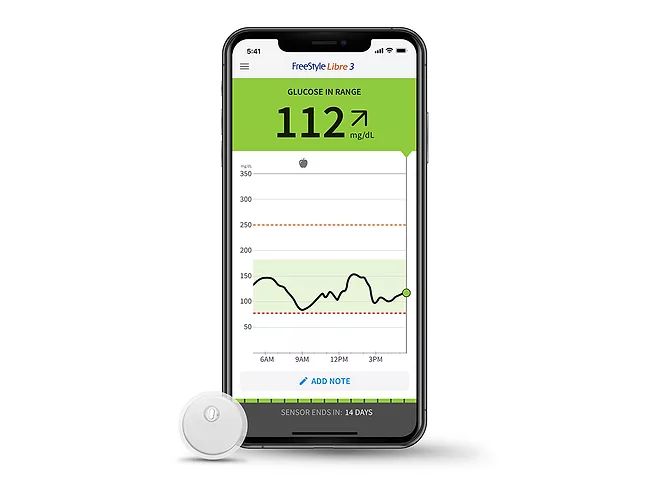
A pair of studies published in Diabetologia demonstrate that use of continuous glucose monitors (CGMs) reduces hospitalizations in people with type 1 diabetes and in those with type 2 diabetes who use insulin compared to use of capillary blood glucose monitoring. Abbott Laboratories’s REFLECT real-world studies showed that use of its Freestyle Libre CGMs reduced the severity of cardiovascular conditions associated with diabetes and, consequently, led to fewer in-patient stays.
Genprex Inc. and University of Pittsburgh have entered into a new sponsored research agreement (SRA) to study GPX-002, Genprex’s gene therapy for diabetes in animal models of type 1 and type 2 diabetes.
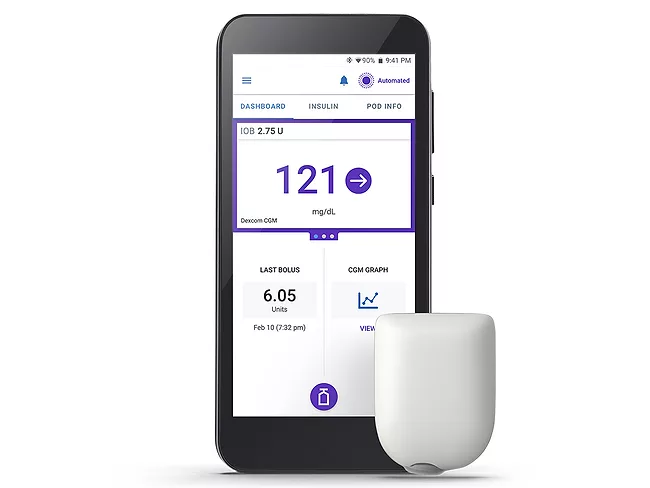
For people with type 1 or type 2 diabetes and the companies developing technologies to help them, the International Conference on Advanced Technologies & Treatments for Diabetes delivered an abundance of good news. On the type 1 diabetes front, Insulet Corp.’s RADIANT study demonstrated massive improvement in time in range as well as lower glycemic levels for patients switching from multiple injections to the Omnipod 5 automated insulin delivery system.
Vicentra BV aims to make its Kaleido 2 insulin patch pump and automated insulin delivery system even smaller than its current device, already amongst the smallest, lightest and most precise insulin device on the market, new CEO Tom Arnold told BioWorld. As the company works to meet growing demand for its product, Kaleido has the potential to transform diabetes care, he said.
Kadimastem Ltd. and Itolerance Inc. have held a type B pre-IND meeting with the FDA regarding the development of ITOL-102, an investigational biologic for the treatment and potential cure of type 1 diabetes that would not require life-long chronic immune system suppression. It comprises Kadimastem’s allogenic human stem cell-derived pancreatic islets (Isletrx cells) combined with Itolerance’s immunomodulator, ITOL-100.
Cour Pharmaceuticals Development Co. Inc. has obtained IND clearance from the FDA for CNP-103, a nanoparticle in development to address the underlying autoimmunity of type 1 diabetes. A first-in-human phase Ib/IIa trial will begin later this year and will enroll adults (aged 18-35 years) and pediatric patients (aged 12-17) who have stage III or newly diagnosed (within the last 6 months) type 1 diabetes as well as C-peptide >0.2 ng/mL.