A new ultrasound-based technique has been developed to overcome the shortcomings of conventional X-ray mammography in screening younger women whose breast density is high.
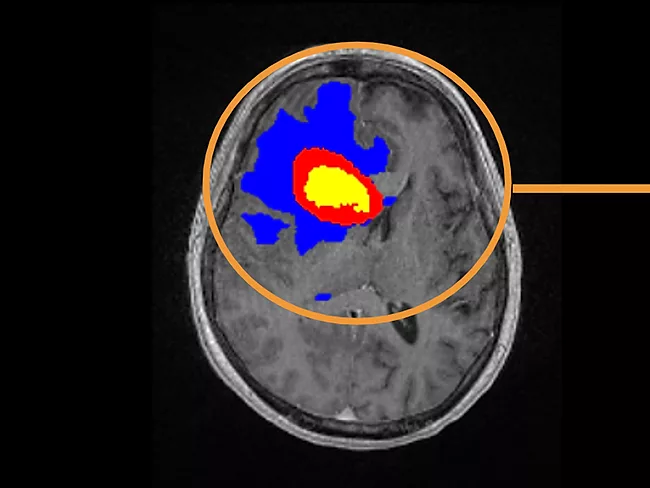
Brain MRIs can reveal a great deal about brain tumors, but tracking response to treatment, clearly delineating edges and identifying other critical information remain problematic. Neosoma Inc.’s recently granted FDA 510(k) clearance may simplify treatment of the most challenging of these tumors, high-grade gliomas. The Neosoma High-Grade Glioma (HGG) neuro-oncology software device uses artificial intelligence to provide detailed measurements and 3D analysis that enable greater precision in procedures and better monitoring.
The Biden administration has released a blueprint for an artificial intelligence bill of rights, which is accompanied by an acknowledgement that these algorithms can be crucial in guiding treatment of cancer patients.
Vergent Bioscience Inc. raised $21.5 million in a series B financing round to advance development of VGT-309, its targeted fluorescent imaging agent that illuminates tumors during open, minimally invasive and robotic-assisted surgeries. The company plans to use the funds to support a phase II trial at the University of Pennsylvania that focuses on lung cancer and a multicenter study that will examine the agent’s use in other indications.
Delphinus Medical Technologies Inc. raised $30.4 million in a series D fundraising round to support worldwide commercialization of its Softvue 3D whole breast ultrasound tomography system. Both new and existing investors kicked in funds including Arboretum Ventures, Beringea, North Coast Technology Investors, Venture Investors, Hopen Life Science Ventures and Waycross Ventures.
Following on a trifecta of regulatory wins, Optellum Ltd. raised $14 million in a series A funding round to commercialize its artificial intelligence (AI)-enabled lung cancer diagnostic platform. Optellum’s Virtual Nodule Clinic, which helps physicians identify and monitor patients at-risk of lung cancer, has received U.S. FDA clearance, CE-MDR in the European Union and UKCA in the U.K.
The European Commission (EC) is proposing a novel cancer screening program that would improve cancer outcomes by fostering more frequent cancer screenings among European Union (EU) member nations. The primary focus is on screening for breast, cervical and colorectal cancers, but the plan carries a lofty target of providing screening services for 90% of those who qualify for screening.
Colorectal cancer (CRC) is expected to increase steadily through the decade to reach more than 2.2 million cases and 1.1 million deaths by 2030 as two concurrent trends tick up—an aging population, that typically has higher rates of the disease, and an alarming increase in cases in younger people. Iterative Scopes Inc. hopes to help gastroenterologists find precancerous lesions before they progress with its Skout device, which received U.S. FDA 510(k) clearance this week.
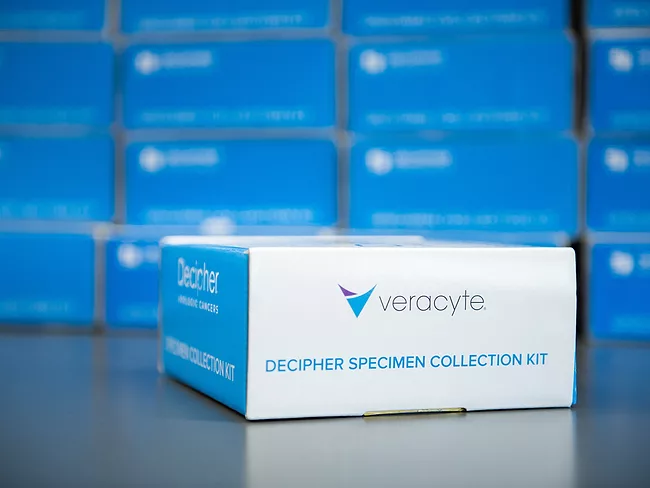
Aggressive prostate cancer disproportionately affects—and kills—African American men, but identifying which men are at highest-risk has proved challenging, particularly in younger patients. Veracyte Inc.’s Decipher prostate genomic classifier could help identify these men with early, localized prostate cancer at the greatest risk of aggressive disease, a new study published in the Journal of the National Cancer Institute found.
Merck KGaA has struck a collaboration and option-to-license deal with Nerviano Medical Sciences Srl centered around NMS-293, a next-generation PARP-1 inhibitor already in early clinical development for brain tumors. Merck is making a play for the poly (ADP-ribose) polymerase (PARP) inhibitor market, first opened up in December 2014 by Astrazeneca plc, when Lynparza (olaparib) was first approved in advanced ovarian cancer, going on to become a blockbuster through a partnership with Merck & Co Inc.