In its first oncology licensing collaboration, Hookipa Pharma Inc. is partnering with Roche Holding AG to develop an arenaviral for treating KRAS-mutated cancers. Roche will pay $25 million up front to Hookipa, which could ultimately bring in about $930 million in milestone-based payments as part of the deal.
Jazz Pharmaceuticals plc in-licensed regional rights to Zymeworks Inc.’s HER2- targeted bispecific antibody zanidatamab in a deal potentially worth $1.76 billion, plus royalties. Jazz wants to expand its oncology portfolio with the deal, which covers the U.S., Europe, Japan and all other territories except Asia Pacific markets previously licensed by Zymeworks to Beigene Ltd.
Surge Therapeutics Inc. landed $26 million in funding through a series A fundraising round to accelerate development of its intraoperative immunotherapy hydrogel.
Surge Therapeutics Inc. landed $26 million in funding through a series A fundraising round to accelerate development of its intraoperative immunotherapy hydrogel. The biodegradable injectable is designed to enable delivery of immunotherapy directly into the site of tumor resection and overcome the immunosuppressive effects associated with surgery.
Lattice Medical SAS reported the first successful breast reconstruction using Mattisse technology, a totally resorbable, 3D-printed implant which naturally regenerates fatty tissue. The procedure was performed at the Institute of Clinical Oncology in Tbilisi, Georgia. It was the work of cancer specialist Gia Nemsadze and his team. This was an immediate breast reconstruction for a 62-year-old patient with breast cancer. The surgical procedure lasted one and a half hours, allowing the mastectomy to be completed, immediately followed by the breast reconstruction.
Pharus Diagnostics Inc. emerged from stealth mode to streamline precision medicine-based cancer screening with its new multi-cancer early detection liquid biopsy test. Spun out from Hsinchu, Taiwan-based Quark Biosciences Taiwan Inc. in July 2022, Pharus is developing solutions to detect cancer early via Oncosweep, its multi-cancer early detection (MCED) liquid biopsy test that evaluates microRNA (miRNA) within the body.
Odyssey Therapeutics Inc. closed a hefty $168 million series B round to progress multiple small-molecule and protein-based drug discovery and development programs in autoimmune disease and cancer.
In an expansion that will surely have other companies wondering why they didn’t move on the opportunity first, Icad Inc. partnered with Solis Mammography to identify cardiovascular risk based on incidental information commonly found in mammograms—and generally ignored.
Vividion Therapeutics Inc. has signed a potential $930 million deal with Tavros Therapeutics Inc., focused on finding four cancer targets using the latter’s technology that aims to exploit weaknesses in tumor cells and cause them to self-destruct.
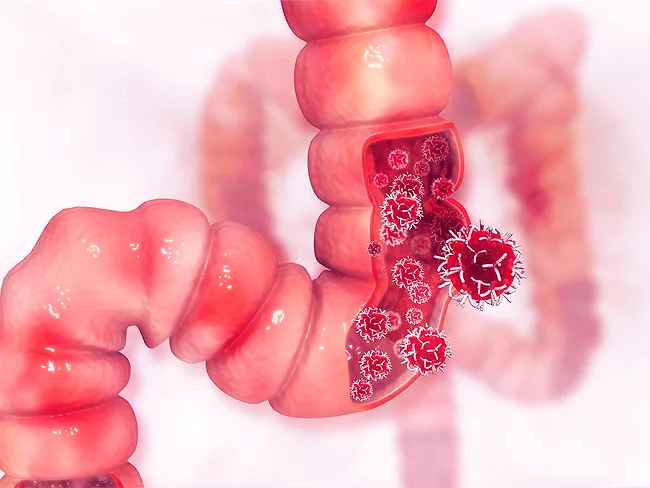
A number of devices, imaging systems and in vitro diagnostics have become available for colorectal cancer (CRC) screening over the years, several of which are of very recent origin, a marker of sustained interest and investment in these products. The problem for industry is that a new randomized trial conducted in Europe suggests that the impact of CRC screening on all-cause mortality is zero compared to no screening, a finding that could prompt policymakers to revisit their stances on screening to the detriment of sales of these devices and diagnostics.