Genomics is moving out of the research lab to become a routine element of health care, particularly in oncology to detect gene variants that indicate a patient will respond to a targeted cancer drug, and in the diagnosis of rare diseases.
Carbon Medtech (Shenzhen) Co. Ltd. reported that it has raised “tens of millions of yuan” from its pre-A+ round financing. This financing was jointly led by Jinding Capital and Shenzhen Small & Medium Enterprises Credit Financing Guarantee Group Co. Ltd.
Owkin Inc. has secured CE marking for two first-in-class artificial intelligence (AI)-based diagnostics, marking a move from research use only and towards the mainstream for AI in enabling faster and more efficient analysis of digital pathology slides.
Researchers at Massachusetts General Hospital (MGH) and the Massachusetts Institute of Technology (MIT) have developed a deep learning computer model that expands on the ability to identify discrete data contained in breast imaging to better predict a woman’s chances of developing breast cancer.
Ocean Biomedical Inc., a company with preclinical programs in oncology, fibrosis, infectious disease treatments and vaccines, is poised to go public via a merger with Aesther Healthcare Acquisition Corp., a special purpose acquisition company (SPAC).
Access to advanced therapies proved to be a major talking point at a conference in London, following the U.S. approval of Bluebird Bio Inc.’s Zynteglo (betibeglogene autotemcel) cell-based gene therapy for beta thalassemia and its $2.8 million price tag. Regulators in Europe backed Zynteglo in 2019 but Bluebird opted to withdraw the therapy in 2021 after deciding that the complex thicket of pricing bodies in Europe was too difficult to negotiate.
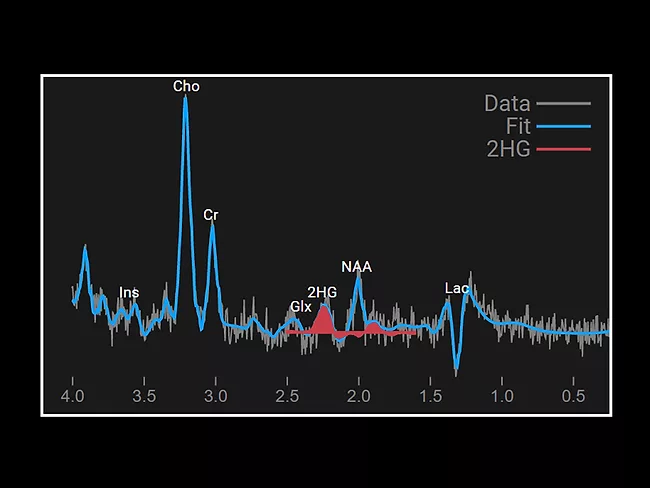
The U.S. FDA granted breakthrough device designation to startup Brainspec Inc. for its non-invasive virtual brain biopsy system. The company uses standard magnetic resonance imaging equipment to measure brain chemistry rather than to create images, providing a more detailed view of pathophysiology involved in a range of neurological disorders.
Likely to garner attention at the upcoming European Society of Medical Oncology meeting are the MAGE-A4 and PRAME antigens which, although well-known and validated, have proved evasive for drug developers – a situation that may soon change.
Becton Dickinson & Co. and Laboratory Corp. of America Holdings (Labcorp)are teaming up to develop, market and commercialize flow cytometry-based companion diagnostics (CDx) for cancer and other diseases. The agreement also paves the way for BD and Labcorp to collaborate with pharmaceutical partners.
Boston Scientific Corp. acquired privately held Obisidio Inc., adding the company’s gel embolic material (GEM) technology to its portfolio. GEM is a ready-to-use, semi-solid material that conforms to the vasculature in which it is placed to immediately obstruct or reduce blood flow to a tumor or abnormality or stop hemorrhaging.