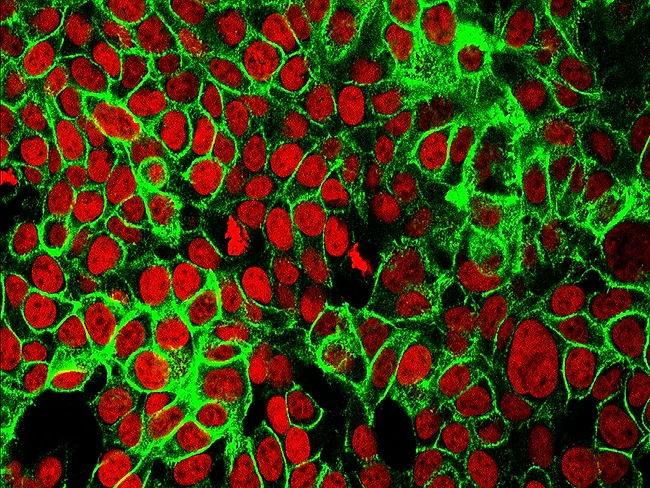
Startup Avelos Therapeutics Inc. raised $8 million in series A funding that will launch the company’s biomarker-driven cancer therapy pipeline using its synthetic lethality platform. Participating in the series A funding were SV Investment, UTC Investment, Quad Investment Management, Timepolio Asset Management, Mirae Asset Venture Investment and Mirae Asset Capital.
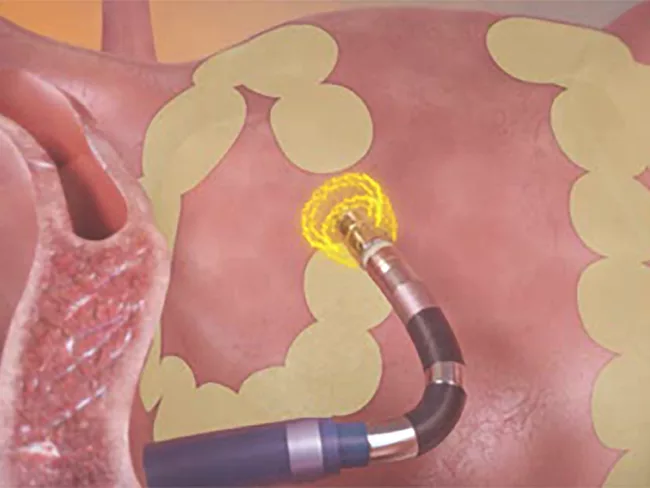
Galvanize Therapeutics Inc. scooped up $100 million in a series B funding round aimed at advancing its pulsed electric field (PEF) energy platform. Completion of the financing coincided with the merger of Galvanize with two other med-tech startups built around the same core intellectual property portfolio: Gala Therapeutics Inc. and Galaxy Medical Inc.
While no one can tell the future, a panel of autoantibodies developed by researchers at New York University Grossman School of Medicine and Perlmutter Cancer Center may give physicians a much better idea about how a patient will respond to immunotherapy. That could help improve therapy selection by accurately predicting whether a patient’s cancer will recur following immunotherapy or they will experience autoimmune side effects as a result of treatment, a study published in Clinical Cancer Research on Sept. 15 found.
Challenges scheduling time for a mammogram, frustration waiting for the exam itself and pain from the test have caused any number of women to cry. Namida Lab Inc. may take the inconvenience and anxiety out of breast health assessment with its Auria test, but the tears will stay. Like a growing number of assays, the test uses tear-based analytics to determine cancer risk.
The toxicity associated with oncology therapies is the stuff of legend with clinicians and patients, and thus the U.S. FDA and manufacturers have been working to fine tune these dosing regimens. However, the FDA's Oncology Center of Excellence (OCE) includes a programmatic effort to optimize dosing regimens, which led to an editorial by FDA officials that calls on industry to consider whether the maximum tolerated dose paradigm is really the optimal approach to oncology drug development.
Despite wide availability and coverage for colonoscopy, many patients diagnosed with colorectal cancer (CRC) have never undergone the recommended screening procedure for the malignancy and its precursors. As a result, the cancer has already spread in the majority of cases at the time of diagnosis. CRC remains the third most common cancer diagnosed in the U.S. and the second leading cause of cancer death for both men and women.
Guardant Health Inc. expanded its cancer testing to include one that provides multi-dimensional insights into tumor profiles and microenvironment that can be used to guide therapy selection. The liquid biopsy, Guardantinfinity, combines analysis of more than 800 genes with exome-wide methylation detection.
Some of the most exciting news out of the European Society for Medical Oncology Congress 2022 in Paris surrounded the rapidly evolving field of multi-cancer early detection (MCED), which offers the dual benefits of identifying malignancies at a more easily treated local stage and enabling screening for the 70% of cancers that lack recommended screening tests.
For people with the grim diagnosis of pancreatic cancer, the news may have gotten just a shade brighter. Researchers at the Mayo Clinic Comprehensive Cancer Center found that using 18-fluorodeoxyglucose (FDG) tracer with positron emission tomography (PET) provides a preoperative predictor of tumor response to chemotherapy and survival in patients with borderline resectable or locally advanced pancreatic cancer. The finding could change recommended practice for one of the deadliest forms of cancer and improve outcomes for patients.
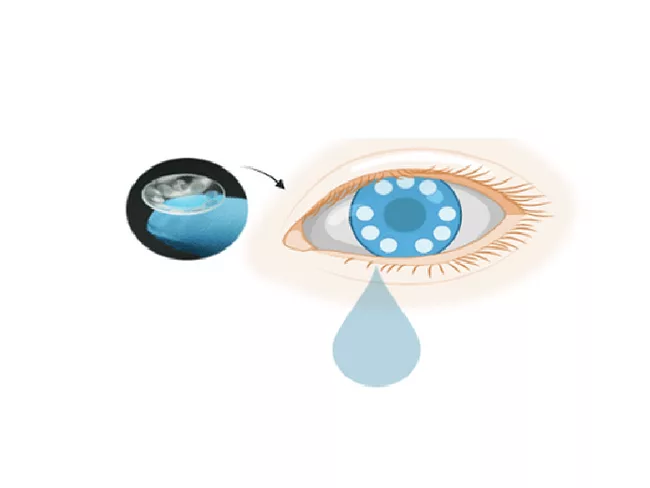
Researchers from the Terasaki Institute for Biomedical Innovation (TIBI) in Los Angeles are developing a contact lens that can capture and detect exosomes. These are nanometer-sized vesicles found in bodily secretions which have the potential to be diagnostic cancer biomarkers. The team published its work and findings in August 2022 in Advanced Functional Materials.