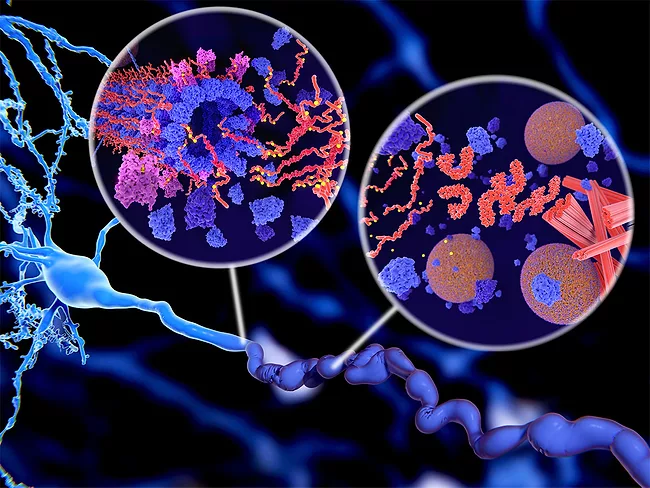
The inhibition of an enzyme associated with neurodegeneration processes reduced the toxic effect of tau, one of the proteins that damage neurons in Alzheimer’s disease (AD). A group of scientists from the University of Helsinki have shown in vitro and in animal models of AD how inhibition of the prolyl endopeptidase (PREP) enzyme reduced tau protein aggregations.
Scientists from Washington University in St. Louis have described a role for T cells in the neurodegeneration associated with the tau protein. Tau accumulation in the brain activated microglia. This signal triggered the activation of T cells in other parts of the body, attracting them to the brain. Once there, the interaction of these T cells and microglia produced the neuronal damage seen in Alzheimer’s disease and other tauopathies.
Looking ahead to potential commercialization of its late-stage tau PET imaging agent, Aprinoia Therapeutics Inc. has chosen to go public via a merger with special purpose acquisition company (SPAC) Ross Acquisition Corp. II in a deal that has an equity value of $280 million. The funding is aimed at getting candidate 18F-APN-1607 to the market in China.
A model of tauopathy developed in the worm nematode Caenorhabditis elegans was developed for investigating the mechanisms behind tauopathy development.
Researchers have discovered how the tau protein turns from a normal to a disease state in Alzheimer's disease (AD) and have shown how the discovery could potentially deliver a therapeutic target.
Tau protein aggregates are present in a group of disorders, collectively termed the tauopathies. Alzheimer's disease is the most common of those disorders, while frontotemporal dementia is most strongly linked to tau. Now, a map of the proteins that interact with tau and how those interactions differ between normal and disease-associated tau protein could give new clues on how the protein causes damage in neurodegenerative disorders, and on how to treat or prevent that damage.
Investigators have identified structural differences between amyloid-beta (Abeta) aggregates in the postmortem brains of patients with inherited and sporadic Alzheimer's disease (AD), respectively. Moreover, both were different from the aggregates that form when Abeta assembles in vitro.
Investors were thrilled when Roche Holding AG subsidiary Genentech Inc. and AC Immune SA reported top-line results from the Lauriet trial on Aug. 31, giving a positive jolt to AC Immune’s stock on the day of the announcement. At the Clinical Trials in Alzheimer’s Disease 2021 meeting, the reaction of the medical community was more skeptical.
DUBLIN – AC Immune SA and partner Genentech reported Aug. 31 that their Tau-targeting antibody, semorinemab, brought about a dramatic 43.6% reduction in cognitive decline vs. baseline in a phase II trial in patients with mild to moderate Alzheimer’s disease. The effect was statistically significant (p<0.0025) and is clinically meaningful. Indeed, it represents the biggest single treatment effect ever reported in a clinical trial in this population of Alzheimer’s patients and sets the stage for an extensive phase III program that could set the agenda for Alzheimer’s research for the foreseeable future.