The U.S. CMS has crafted a payment policy that covers both adjunctive and non-adjunctive continuous glucose monitors (CGMs) in the final rule for durable medical equipment (DME). Medtronic plc, of Dublin, heralded the move as “a very important benefit expansion” for the company’s customers, but the expanded coverage also pays for additional CGMs that work with Medtronic insulin pumps.
Diabetes care will continue to evolve in 2022. New digital offerings and advanced algorithms, along with new product launches in insulin pumps and continuous glucose monitoring (CGM) will power growth in the future, according to key analysts. While many medical device sectors have suffered during the COVID-19 pandemic, diabetes care has continued to grow.
TORONTO – Cloud Dx Inc. has entered into an exclusive corporate agreement with Medtronic Canada ULC to provide the subsidiary of Medtronic plc virtual and remote patient monitoring (RPM) technology and services across Canada. Medtronic Canada will begin by integrating Cloud Dx’s Connected Health platform along the perioperative and complex chronic disease pathways that make up the country’s health care network.
With aging populations and more sophisticated markets growing in the Asia Pacific region, multinational corporations including Medtronic plc and Olympus Corp. are tapping digitalization, robotics and innovation platforms to seek med-tech solutions.
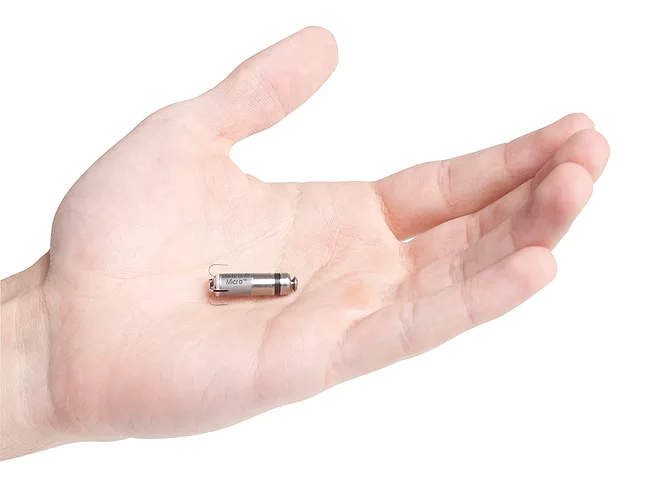
Dublin-based Medtronic plc’s Micra pacemaker was a groundbreaking device when the FDA approved the leadless pacemaker in 2016, thanks to the elimination of the hazards associated with pacemaker leads. However, the FDA said recently that the risks associated with cardiac perforation with leadless pacemakers, such as tamponade or death, might be higher with the Micra than with pacemakers with leads.
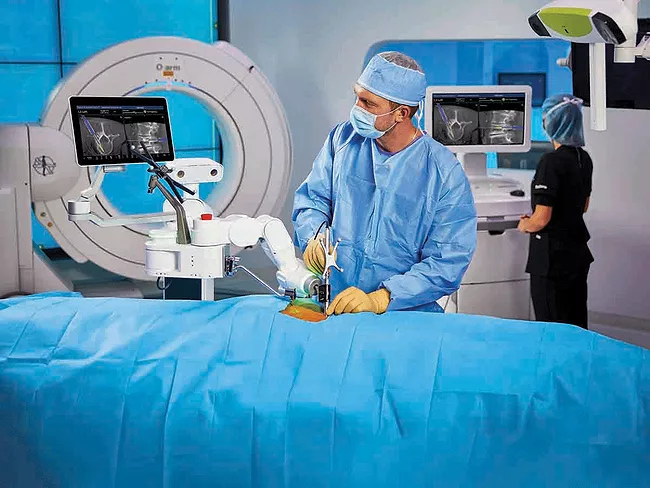
TORONTO - Medtronic Canada ULC, a subsidiary of Dublin-based Medtronic plc, has launched what it calls the “the first dedicated robotic assisted spine surgery platform in Canada.” The Mazor integrates surgical planning, workflow and execution by combining navigation and robotic technologies.
Catheter-based delivery of replacement valves is established practice for patients with aortic regurgitation, but the mitral valve has only repair devices to address this condition. However, transcatheter mitral valve replacement (TMVR) devices by Dublin-based Medtronic plc., and triscupid valve replacement devices by Edwards Lifesciences Inc. of Irvine, Calif., made some noise at this year’s edition of Transcatheter Cardiovascular Therapeutics (TCT), suggesting that these patients might soon have a wider range of options.
It has long been known that patients recover more quickly from transcatheter aortic valve replacement (TAVR) than from open-heart surgery for valve replacement (SAVR) and results at two years looked good, too, with very similar outcomes. The question remained what happens in the longer term?
A new study has found that despite the risk, many patients are open to interventional procedures such as renal denervation (RDN) if it can lead to improved blood pressure. RDN is performed under local anesthetic and uses radio frequency ablation to burn the nerves in the renal arteries. The process causes a reduction in nerve activity, which decreases blood pressure.
Despite the morbidity associated with coronary artery bypass graft, this procedure has never been entirely displaced by percutaneous coronary intervention. The results from the latest in a series of studies does not seem to help the case for drug-eluting stents (DES) for patients with three-vessel disease, as the data from this study failed to demonstrate non-inferiority for DES devices implanted with the help of fractional flow reserve measurement to ensure optimal stent placement.