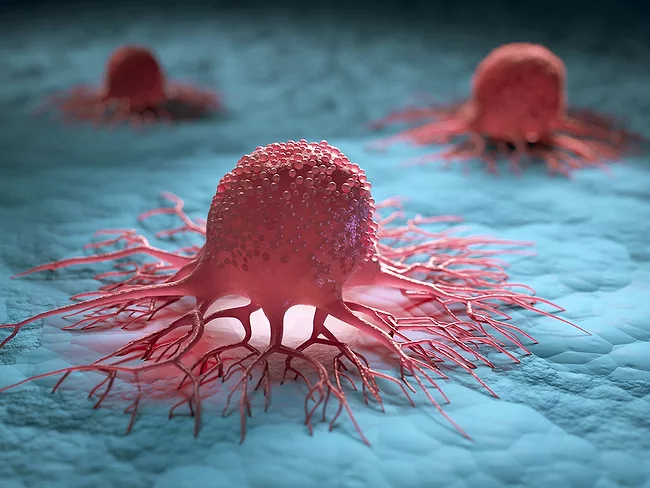
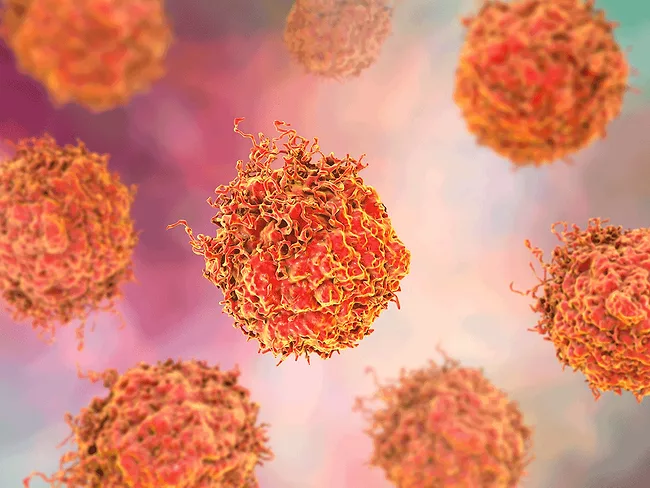
Tumor-associated macrophages (TAMs), located within the tumor microenvironment (TME), are involved in immunosuppression, metastasis, chemoresistance and angiogenesis. Reprogramming TAMs intratumorally by targeting glutamine metabolism may provide a robust antitumor effect.
Full-Life Technologies Ltd. has received IND clearance by the FDA, allowing it to conduct clinical trials of 225Ac-FL-020, its PSMA-targeted radiopharmaceutical for the treatment of metastatic castration-resistant prostate cancer.
The American Society of Clinical Oncology (ASCO) begins its 2024 annual meeting at the cavernous and labyrinthine McCormick Place convention center in Chicago Friday, May 31. It’s one of the world’s largest cancer research conferences and can be daunting to follow. More than 400 organizations will participate this year, with about 200 sessions ready to convene. The vast majority of the 5,000 abstracts that cover all aspects of cancer treatment have already been released, and they will be scrutinized by the more than 40,000 attendees from around the world.
Epidermal growth factor receptor (EGFR) is widely expressed among multiple cancer types, but patients often develop resistance to EGFR tyrosine kinase inhibitors (TKIs), which may be accompanied by increased expression of CD70.
AR-V7 is the most clinically relevant androgen receptor (AR) splice variant associated with endocrine resistance and poor prognosis in patients with prostate cancer.
Using its artificial intelligence/machine learning platform, Aurigen, Auron Therapeutics Inc. has identified histone acetyltransferase KAT2A/B as a driver of tumor cell plasticity and designed new small-molecule degraders of KAT2A/B.
As Novartis AG’s approved prostate cancer therapy, Pluvicto (177Lu-PSMA-617), continues on a growth trajectory, the firm signed a licensing deal with Arvinas Inc. potentially valued at north of $1 billion for global development and commercialization of ARV-766, the latter’s second-generation proteolysis targeting chimera (PROTAC) androgen receptor degrader targeting the same disease.
Pfizer Inc. has presented preclinical data on its first-in-class, selective cyclin-dependent kinase 4 (CDK4) inhibitor compound, PF-07220060, that has shown 20-fold and 4-fold increased selectivity for CDK4 vs. CDK6 compared to palbociclib and abemaciclib/ribociclib, respectively.