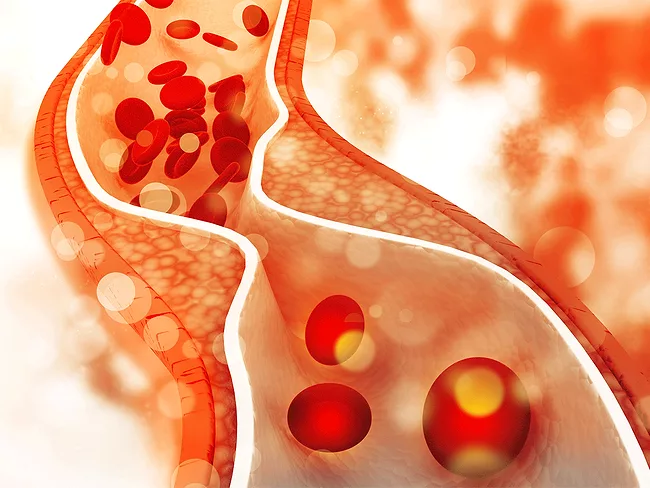
Novartis AG’s FDA go-ahead for Leqvio (inclisiran), the first and only small interfering RNA therapy to lower LDL-C, “should come as a relief, given fears that the pandemic could again limit FDA's ability to conduct manufacturing-site inspections,” Jefferies analyst Peter Welford said. PCSK9-targeting Leqvio’s Dec. 22 approval, which came slightly ahead of the Jan. 1, 2022, PDUFA date, landed after a complete response letter about a year ago, citing unresolved facility inspection-related conditions. The drug is dosed twice per year, unlike competitors in the space.
Innovent Biologics Inc.’s PCSK9 inhibitor, IBI-306, intended for the treatment of heterozygous familial hypercholesterolemia (HeFH), has met its primary endpoint in a phase III study in Chinese patients.
The enzyme proprotein convertase subtilisin/kexin type 9 (PCSK9) plays a major role in the regulation of blood LDL cholesterol levels. Now, new research shows that targeting PCSK9 may also potentiate checkpoint blockade.
Genome sequencing is enabling new insights into the genetic aspects of health and disease that have touched just about every aspect in biomedicine. It is also, like the “skin”-colored crayons of yore, disproportionately focused on the Caucasian segment of the population. And that is a loss for everyone.
Genome sequencing is enabling new insights into the genetic aspects of health and disease that have touched just about every aspect in biomedicine. It is also, like the “skin”-colored crayons of yore, disproportionately focused on the Caucasian segment of the population. And that is a loss for everyone.
DUBLIN – Novartis AG is making a $9.7 billion bet that the economics of an siRNA-based drug can better those of monoclonal antibodies and thus provide it with a dominant position in a major but still emerging cardiovascular drug market. The Basel, Switzerland-based pharma made an $85 per share offer for The Medicines Co., which has taken inclisiran, an siRNA-based inhibitor of proprotein convertase subtilisin/kexin type 9 (PCSK9) to the brink of an approval in reducing the risk of a cardiovascular event – heart attack or stroke – in high-risk patients with cardiovascular disease or high levels of low-density lipoprotein cholesterol (LDL-C) who are inadequately controlled on current therapies.