New data from two phase II studies from two companies showed progress in their respective Parkinson’s disease programs. The data for both therapies, from Anavex Life Sciences Corp. and Sage Therapeutics Inc., were presented on opening day, March 15, at the AD/PD 2022 Advances in Science & Therapy International Conference on Alzheimer’s and Parkinson’s Diseases and Related Neurological Disorders, being held in Barcelona until March 20.
Sio Gene Therapies Inc. is retrenching the business as it terminated the company’s AXO-Lenti-PD license agreement with Oxford Biomedica plc for treating Parkinson’s disease. Also, Sio’s CEO, Pavan Cheruvu, is leaving the company. Sio said it is deprioritizing its Parkinson’s disease program due to several factors, including resource requirements and development timelines “to reach meaningful value inflection for the program and an increasingly challenging market and regulatory environment” for the indication.
Several pharma companies think that targeting a rogue protein known as alpha-synuclein could be the key to halting or reversing neurodegeneration in Parkinson’s disease – but has the industry learned from a string of failures in Alzheimer’s? In the space of a few weeks, Novartis AG and Sanofi AS have signed major deals for molecules targeting misfolded alpha-synuclein, the rogue protein thought to be the root cause of Parkinson’s disease.
Targeting the toxic alpha-synuclein protein found in the brains of people with Parkinson’s is one of the most promising approaches to treat the disease in the clinic – but getting any drug into the brain is a challenge. Sanofi SA has joined with ABL Bio Inc. to solve this problem, in-licensing ABL-301, a preclinical bispecific antibody that locks on to misfolded alpha-synuclein but also includes a molecular “shuttle” that allows it to penetrate the blood-brain barrier.
Targeting the toxic alpha-synuclein protein found in the brains of people with Parkinson’s is one of the most promising approaches to treat the disease in the clinic – but getting any drug into the brain is a challenge. Sanofi SA has joined with ABL Bio Inc. to solve this problem, in-licensing ABL-301, a preclinical bispecific antibody that locks on to misfolded alpha-synuclein but also includes a molecular “shuttle” that allows it to penetrate the blood-brain barrier.
Novartis AG, keen to expand its central nervous system franchise as generics chase down crown jewel Gilenya (fingolimod), has secured rights from UCB SA to co-develop and commercialize two potential Parkinson's disease therapies for $150 million up front and milestone payments approaching $1.5 billion.
PARIS – Pcube-Lab BV has closed a $4.75 million funding round to deploy its eye tracking technology, Neuroclues, in Europe and the U.S. This technique helps with early diagnosis of neurological disorders such as Parkinson's, multiple sclerosis and Alzheimer's disease.
Yumanity Therapeutics Inc. CEO Richard Peters said his firm is “in the driver’s seat” with regard to partnering options or going it alone, after YTX-7739 hit the primary endpoints in a phase Ib Parkinson’s disease (PD) study. Wall Street seemed less than certain about the success, knocking shares (NASDAQ: YMTX) down $2.83, or 33.4%, to close at $5.65.
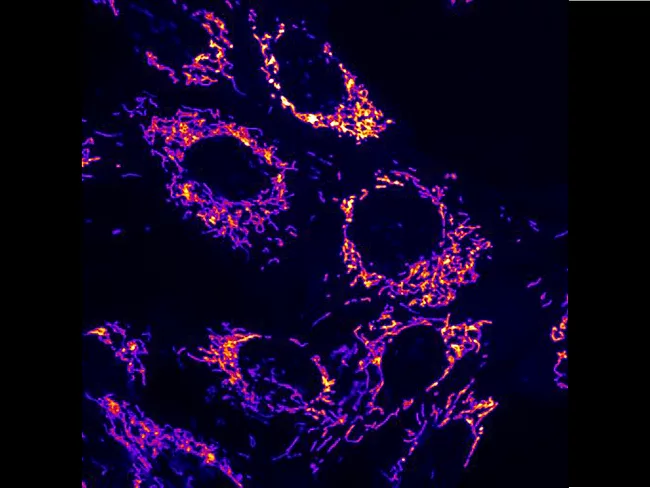
Investigators at Northwestern University’s Feinberg School of Medicine have used a new mouse model of Parkinson’s disease to confirm a causal role for mitochondrial dysfunction in Parkinson’s disease. More surprisingly, the same model has called into question previously uncontroversial notions about the motor features that are PD’s most conspicuous feature.
Investigators at Northwestern University’s Feinberg School of Medicine have used a new mouse model of Parkinson’s disease to confirm a causal role for mitochondrial dysfunction in Parkinson’s disease. More surprisingly, the same model has called into question previously uncontroversial notions about the motor features that are PD’s most conspicuous feature.