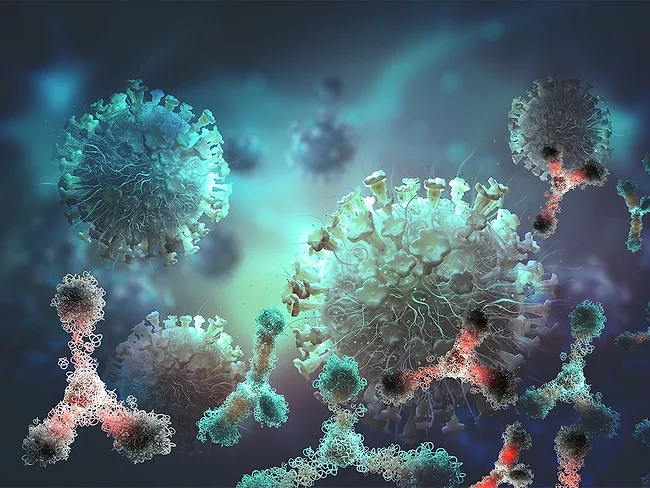
Recent findings are reshaping current understanding of the post-infection landscape of SARS-CoV-2. Although previous studies had already suggested that autoimmunity might underlie the persistent neurological symptoms seen in long COVID, researchers at Yale University and Mount Sinai now reinforce this hypothesis. SARS-CoV-2 infection appears to trigger an autoimmune mechanism that drives chronic pain, fatigue and cognitive impairment in some patients.
Medtronic plc is strengthening its pain management portfolio with its $650 million move to buy SPR Therapeutics Inc. and bring the company’s peripheral nerve stimulation system for sustained pain relief into its neuromodulation offering. The deal marks Medtronic’s third tuck-in deal so far this year, following its $585 million purchase of Cathworks Ltd. and $550 million acquisition of Scientia Vascular Inc., and is also a sign of the momentum in M&A activity in the medtech sector with other players making strategic acquisitions.
Nervonik Inc. raised $52.5 million in a series B financing round for its peripheral nerve stimulation (PNS) system designed to treat patients with chronic pain and other neurological conditions. The funds will be used to support the continued development Nervonik's PNS system, including enhancements to the system’s sensing capabilities, as well as preparations for commercialization.
Saluda Medical Pty Ltd. announced a AU$231 million ($152.7 million) initial public offering on the Australian Securities Exchange to scale up its U.S. footprint for its Evoke spinal cord simulation system for chronic pain.
Magstim Co. Ltd. reported that the U.S. FDA cleared its Magstim Rapid magnetic stimulation system for the treatment of chronic pain. The clearance provides a clinically validated therapy that directly targets neural pathways involved in pain processing to deliver a non-invasive, drug-free treatment for chronic pain.
The U.K’s Engineering and Physical Sciences Research Council provided the University of Oxford with £11 million (US$ 14.7 million) in research funding to develop technologies that will reduce or eliminate chronic pain.
Boston Scientific Corp. moved to acquire the balance of Nalu Medical Inc. in a $533 million cash deal, expanding its chronic pain portfolio with the addition of peripheral nerve stimulation. The Nalu neurostimulation system delivers mild electrical impulses to interrupt aberrant pain signals from nerves in the shoulder, knee and lower back before they reach the brain.
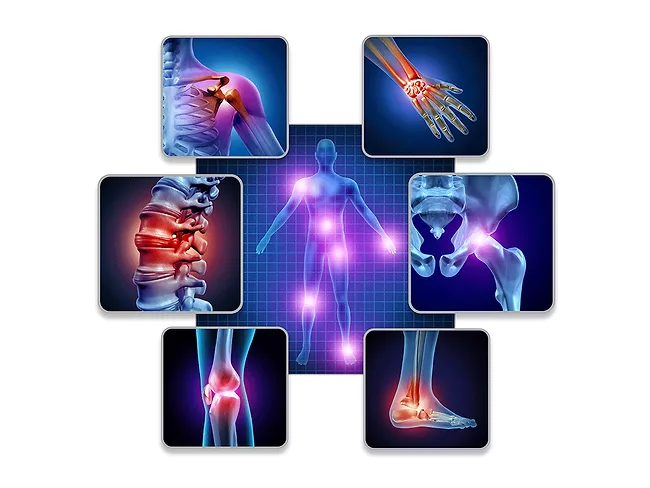
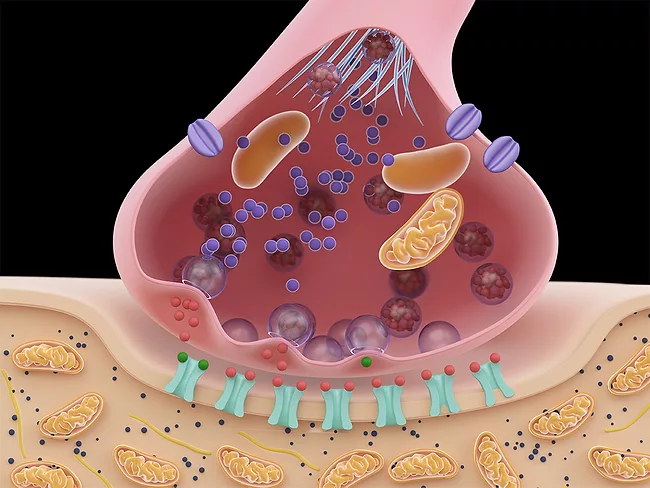
Chronic pain is a constant challenge to around 20% of the global population, and treatments to mitigate such pain often cause unacceptable side effects because the receptors and signaling pathways involved in pain sensing also drive necessary processes in the heart, lungs and liver. Opioid analgesics can be effective against chronic pain, but they can lead to tolerance and addiction.
Four months after Vertex Pharmaceuticals Inc.’s U.S. FDA nod for Journavx (suzetrigine) as the first drug targeting NaV1.8 for treating pain, Eli Lilly and Co. is joining the potential competition via a buyout of Siteone Therapeutics Inc., a privately held firm developing small-molecule sodium channel inhibitors, including a phase II-ready NaV1.8 inhibitor.
Biotronik Neuro’s Prospera spinal cord stimulation system achieved more than 50% pain reduction for 86% of patients with back pain and 89% of patients with leg pain over two years, according to new study results.