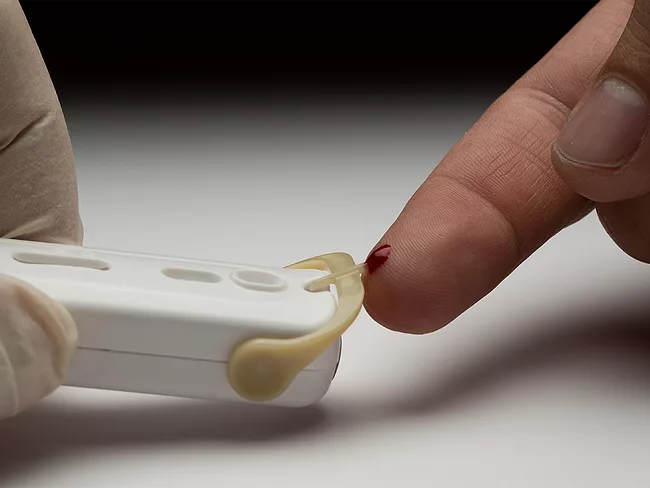
PERTH, Australia – As the state of Victoria in Australia records its deadliest day since the COVID-19 pandemic began, reporting 17 deaths and 394 new cases, Atomo Diagnostics Ltd.’s new COVID-19 antibody test could ease pressure on health care systems.
The U.S. FDA gave an emergency use authorization (EUA) to the first semi-quantitative antibody test from Siemens Healthineers AG for the SARS-CoV-2 virus. This test, known as the SARS-CoV-2 IgG (COV2G) antibody test, could potentially be used repeatedly over time to assess relative levels to gauge potential immunity.
The question of screening for the COVID-19 pandemic continues to absorb the interest of both the U.S. FDA and test developers, and Tim Stenzel, director of the FDA’s Office of In Vitro Diagnostics and Radiological Health (OIR), said in a July 22 webinar that the FDA is “very interested” in a fingerstick test at the point of care for screening purposes, adding that the agency sees any such applications as a priority.
HONG KONG – Takeda Pharmaceuticals Inc. is gaining access to the “library of libraries,” inking an agreement with Twist Bioscience Corp. in one of the Osaka, Japan-based firm’s recent efforts to build a sustained innovative R&D growth engine.
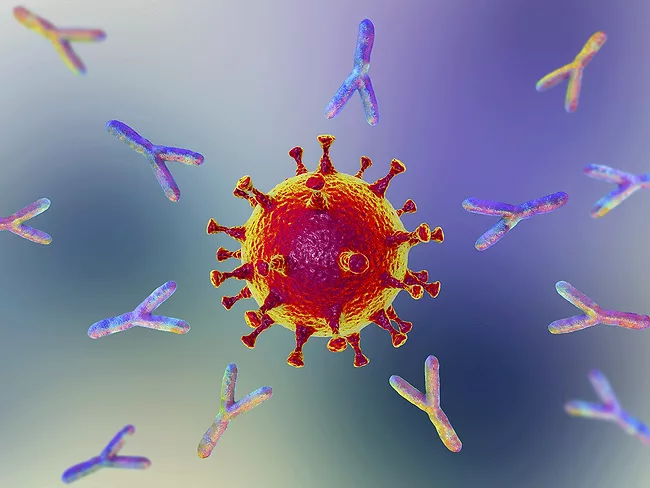
LONDON – From the start of the pandemic antibodies have been the main focus of attempts to understand the immune response to SARS-CoV-2 and ascertain what it will take for vaccines to be protective.
The next phase of testing for the COVID-19 pandemic will hopefully include the roll-out of tests for neutralizing antibodies for the SARS-CoV-2 virus, but there are some roadblocks. The FDA’s Tim Stenzel said the agency has a limited amount of information to offer regarding emergency use authorizations for these tests, a predicament that might not resolve until several applicants are in and the agency can see some information that will aid in development of performance and validation standards.
A large epidemiological study published in the July 6, 2020, advance online issue of The Lancet found that most individuals who became infected with SARS-CoV-2 developed antibodies to the virus, confirming that infection usually results in at least a short-term immune response.
A large epidemiological study published in the July 6, 2020, advance online issue of The Lancet found that most individuals who became infected with SARS-CoV-2 developed antibodies to the virus, confirming that infection usually results in at least a short-term immune response.
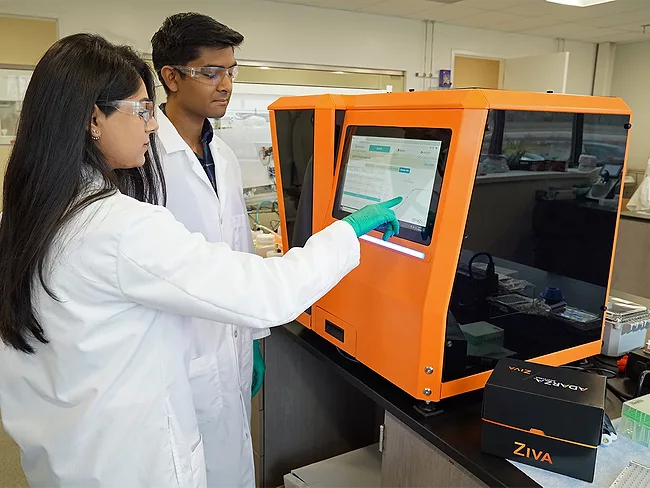
Adarza Biosystems Inc.’s Ziva platform can simultaneously detect hundreds of proteins, antibodies, or substrates from a single drop of blood, plasma or serum, providing insight into an individual’s immune response. That could be critical for both surveillance and diagnostic purposes as the nation prepares for a likely second wave of the novel coronavirus in the fall when multiple respiratory pathogens will be circulating.