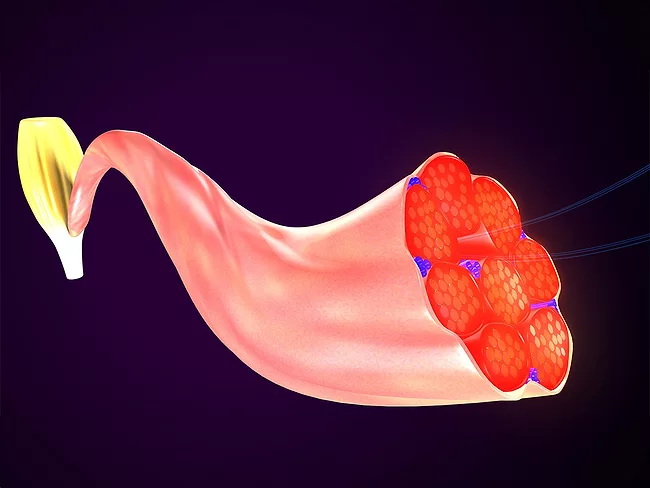
Researchers from Thor Therapeutics Inc. and collaborators reported the efficacy of A-427, a CNS-targeted antisense oligonucleotide (ASO) that selectively suppresses Gfral expression, in preclinical models of cancer-associated cachexia. The brainstem-restricted receptor GFRAL, which mediates the cachexia-inducing effects of tumor-derived GDF15, has emerged as a translational target for therapies designed to counteract tumor-associated wasting and weight loss.
Biomarin Pharmaceutical Inc. and the n-Lorem Foundation have signed a strategic collaboration and global exclusive license agreement to develop a first-in-disease antisense oligonucleotide (ASO) medicine for people with ReNU syndrome, a rare neurodevelopmental condition caused by variants in the RNU4-2 gene.
Camp4 Therapeutics Corp. has received clearance to initiate a phase I/II clinical trial of CMP-002, a potential first-in-class therapeutic for SYNGAP1-related disorder.
Whether by fine-tuning neurotransmitter signaling or silencing disease-associated genes, emerging biologic therapies are reshaping neuroscience drug development, according to presentations at the FENS Forum 2026.
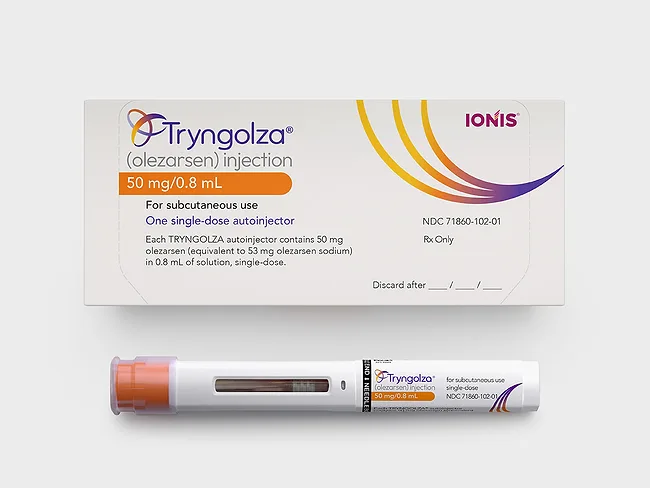
As expected, and following impressive phase III data released last September, Ionis Pharmaceuticals Inc. won U.S. FDA approval of Tryngolza (olezarsen) for adults with severe hypertriglyceridemia, unlocking a larger indication and one that held both priority review and breakthrough therapy designations.
Retinitis pigmentosa (RP) is an inherited retinal dystrophy that causes loss of vision. Pathogenic variants in proteins involved in RNA splicing are the second most common cause of autosomal dominant RP, with mutations in PRPF31 being the most prevalent. Additionally, mutations in spliceosomal small nuclear RNAs (snRNAs) U4 and U6 have recently been linked to RP.
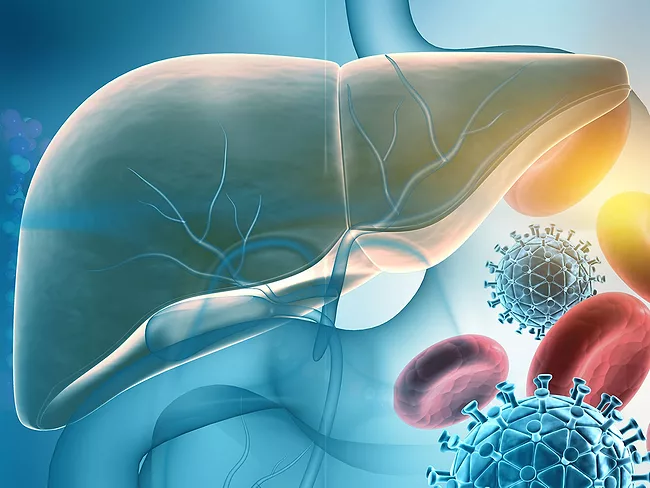
Currently available treatments for chronic hepatitis D virus (HDV) infection rarely result in a cure after a defined treatment period. Researchers from Aligos Therapeutics Inc. hypothesized that antisense oligonucleotides (ASOs) targeting HDV RNAs may inhibit intracellular HDV RNA amplification.
GSK plc has announced a breakthrough in the treatment of chronic hepatitis B, reporting a functional cure rate of 19% across two phase III trials of its antisense oligonucleotide bepirovirsen.