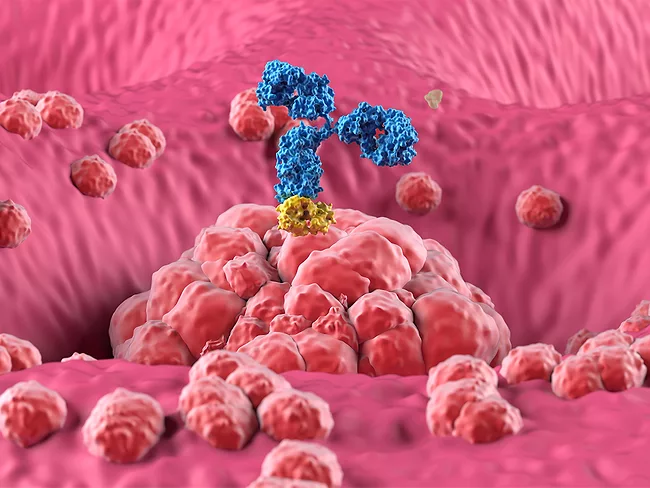
In the treatment of hepatocellular carcinoma (HCC), the long-term benefits of second-line tyrosine kinase inhibitors such as sorafenib are often limited by resistance mechanisms and adverse effects. The deubiquitinase ubiquitin carboxyl-terminal hydrolase L1 (UCH-L1) is upregulated in advanced HCC disease and has been linked to poor prognosis and treatment resistance.
Hepatocellular carcinoma (HCC) remains a major cause of cancer death worldwide and, although early-stage disease can sometimes be cured by surgical resection and liver transplantation, advanced cases still respond poorly to current systemic treatments and immunotherapy.
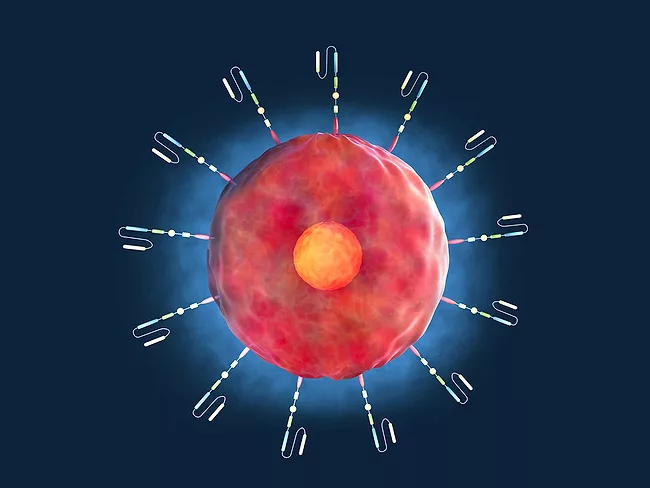
At the ongoing European Association for the Study of the Liver 2026 annual meeting in Barcelona, researchers from Oricell Therapeutics Co. Ltd. presented data on a CAR T-cell approach targeting glypican 3 (GPC3) – OriC-902 – for the treatment of GPC3+ hepatocellular carcinoma (HCC).
Create Medicines Inc. closed a $122 million series B financing round to support its pipeline of therapies that use mRNAs delivered via liquid nanoparticles to express chimeric antigen receptors (CARs) in T cells, NK cells and myeloid cells inside the body of patients. The Cambridge, Mass.-based company estimates the capital will last through 2028, providing the opportunity for multiple clinical readouts of its various products.
Pilatus Bio Inc. is working to address a major under-addressed target of current checkpoint inhibitors: metabolic stress within solid tumors. “Traditional immunotherapies release immune ‘brakes,’ but they do not address the underlying metabolic stress in tumors,” Pilatus CEO and cofounder Raven Lin said. “That’s why more than 60% of solid tumor patients do not respond to treatment.”
Shanghai Junshi Biosciences Co. Ltd reported early clinical signals across its next-generation immuno-oncology pipeline, including response rates of up to 71% in metastatic colorectal cancer and 45.5% in hepatocellular carcinoma, at the American Association for Cancer Research meeting in San Diego.
Mixed lineage kinase domain-like pseudokinase (MLKL), a key effector of necroptosis, is highly expressed in hepatocellular carcinoma (HCC), and its targeting may promote parthanatos-mediated immunogenic cell death. Researchers from the Chinese Academy of Sciences and collaborators described the discovery and preclinical characterization of C-116, a MLKL PROTAC degrader developed using AI-assisted rational drug discovery.
Oricell Therapeutics Holdings Ltd closed a $110 million pre-IPO round to expand its global footprint and advance its lead candidate, a GPC3-targeted autologous CAR T therapy for liver cancer to registrational trials.
Oricell Therapeutics Holdings Ltd closed a $110 million pre-IPO round to expand its global footprint and advance its lead candidate, a GPC3-targeted autologous CAR T therapy for liver cancer to registrational trials.
Researchers from Syngenta AG and collaborators reported the preclinical characterization of CHNQD-01522, a microtubule-targeting agent designed based on the marine natural product penipanoid C, in hepatocellular carcinoma (HCC) models.