In a sea of uncertainty, a large-scale, long-term Swedish study is the first to show that people using GLP-1 receptor agonists are less likely to have worsening mental illness. The study involved a national cohort of 95,490 people diagnosed with depression or anxiety disorder, who also were treated with any diabetes drug (apart from insulin).
True to its word, Novo Nordisk A/S filed a patent infringement lawsuit in U.S. district court against Hims & Hers Health Inc. over compounded versions of Novo’s semaglutide products.
The U.S. Centers for Medicare & Medicaid Services (CMS) rolled out negotiated costs of the second batch of drugs subject to such bargaining under the Inflation Reduction Act. Wall Street was not surprised to learn that the numbers amount to much greater cuts than the Biden administration managed for 2026. CMS said the adjusted maximum fair prices would have achieved 44% lower net spending had they been implemented in 2024 – 36% if forgiven discounts from the part D redesign of the Medicare prescription drug benefit are figured in. Fifteen drugs are listed.
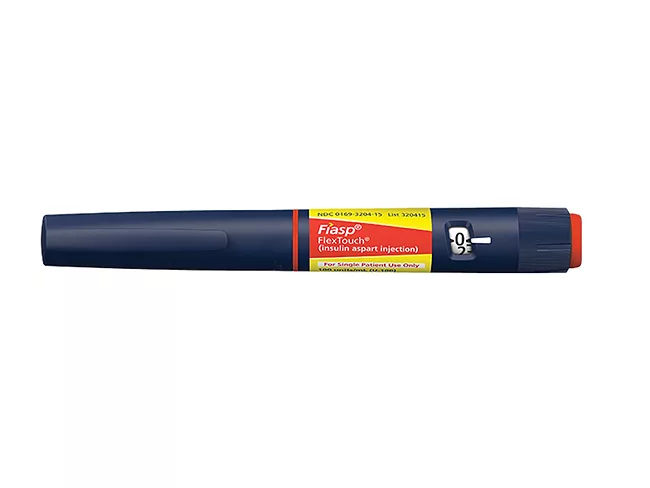
Like the federal district court before it, the U.S. Court of Appeals for the Third Circuit said it lacks jurisdiction to rule on the merits of Novo Nordisk A/S’ claim that the CMS violated the Inflation Reduction Act (IRA) when it treated six of the company’s insulin aspart products as one negotiation-eligible single-source drug.
Three milestones expected to bring the reality of U.S. prescription drug price negotiations into focus are hovering on the horizon. First, the CMS is scheduled to publish its maximum fair prices (MFPs) for the round 2 selected drugs by Nov. 30. Then, on Jan. 1, the MFPs for the first round kick in, affecting not only the 10 selected drugs, but a dozen approved biosimilars referencing the three biologics in that round, 94 generics either approved or tentatively approved that reference the small molecules on the list, and perhaps other innovator drugs in the same therapeutic spaces. And by Feb. 1, CMS must publish the list of up to 15 drugs selected for negotiations for the 2028 price year. That list will be the first to include Part B drugs.
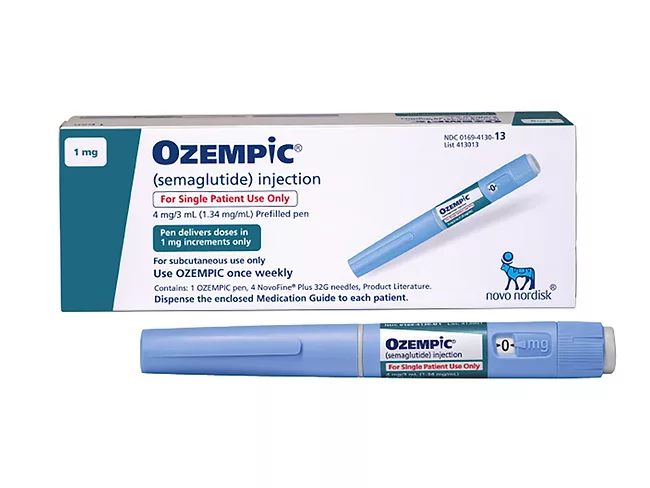
With reduced sales and operating expectations for the rest of the year, Novo Nordisk A/S is on the receiving end of a huge stock drop. For a big pharma, where the stock drops are usually more modest, the shares (NASDAQ:NVO) fell off a cliff on July 29, closing 21.8% downward to $53.93 each, the lowest price per share in the past 12 months. Lower U.S. sales of semaglutide blockbusters Wegovy and Ozempic for treating obesity and diabetes are at the heart of the plunge. In May, the Danish company had expected 13% to 21% sales growth but now is looking at only 8% to 14%.
The increased use of GLP-1 receptor agonists has led on to an increase in reports of acute pancreatitis in people taking these weight loss drugs in the U.K. That has prompted the launch of a pharmacogenomics project to investigate if there are any genetic links underlying the occurrence of this adverse event.
The EMA’s safety committee has issued a warning that the GLP-1 receptor agonist Ozempic (semaglutide, Novo Nordisk A/S) can cause an acute eye condition in which the optic nerve is damaged by a sudden loss of blood supply. After reviewing several large epidemiological studies, clinical trial and in-market data, EMA’s Pharmacovigilance Risk Assessment Committee has concluded non-anterior ischemic optic neuropathy is a “very rare” side effect of Ozempic, that “may affect up to one in 10,000 people taking semaglutide.
Several drugs already selected for Medicare price negotiations, including Novo Nordisk A/S’ mega-blockbuster diabetes/weight-loss franchise, could see up to a three-year reprieve if a bipartisan bill recently introduced in the U.S. House and Senate becomes law.
The Trump administration dashed hopes that it would temper the Medicare price negotiations mandated by the Inflation Reduction Act when it filed the government’s brief in response to Novartis AG’s appeal to the U.S. Court of Appeals for the Third Circuit.