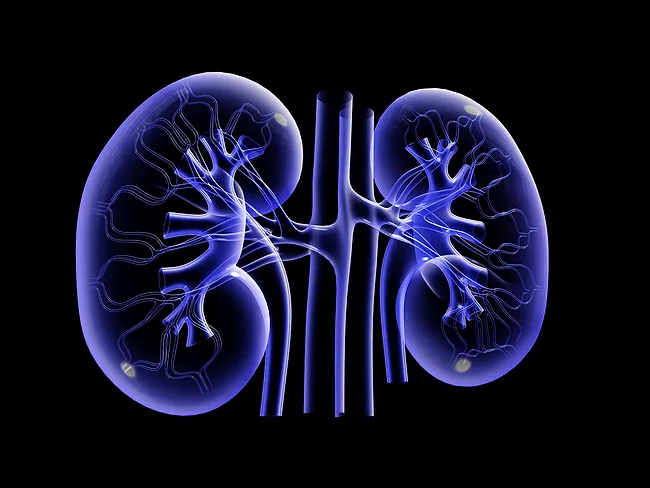
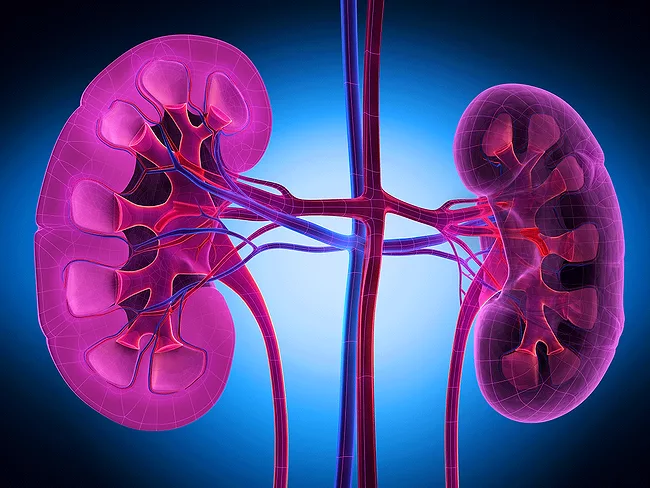
Scientists in Edinburgh are planning a clinical trial of licensed drugs in the prevention of chronic kidney disease (CKD) following acute kidney injury (AKI), after uncovering a new mechanism linking the pathology of one with the other. It has only recently been recognized that AKI is linked to CKD and cardiovascular disease, and to date the molecular pathways that control the transition are not well-mapped. As a result, there are no therapies for preventing acute injury progressing to chronic disease.
Higher-than-expected serum bicarbonate values in the placebo group foiled Tricida Inc.’s effort in its phase III renal outcomes trial to compare an untreated acidotic chronic kidney disease (CKD) population with those given veverimer. The hitch meant the company could not measure the oral, non-absorbed polymer’s ability to slow the disease in patients with metabolic acidosis, an estimated market of several million people in the U.S.
Biotricity Inc. received more than $240,000 in a grant from the U.S. National Heart, Blood and Lung Institute of the National Institutes of Health to launch a study of a new algorithm to be used with its Bioflux device to assess the risk of stroke in patients with chronic kidney disease (CKD).
The company conference call related to Akebia Therapeutics Inc.’s complete response letter (CRL) for vadadustat, an HIF prolyl-hydroxylase inhibitor for anemia caused by chronic kidney disease, brought on the ongoing and perhaps inevitable comparisons with a similar product from Fibrogen Inc., rejected by the agency last August.
Opinion on Wall Street said the matter could have gone either way, but in the end Akebia Therapeutics Inc.’s vadadustat, a HIF prolyl-hydroxylase inhibitor for anemia caused by chronic kidney disease (CKD), garnered a complete response letter (CRL) instead of approval from the FDA. The news slammed Akebia shares (NASDAQ:AKBA), which closed at 82 cents, down $1.61, or 66%. Specifically, the agency said that the data in the NDA do not support a favorable benefit-risk assessment of vadadustat in dialysis-dependent (DD) and non-DDs patients.
The release of the FDA’s briefing document for a Dec. 8 meeting of its Cardiovascular and Renal Drugs Advisory Committee triggered heavy trading and a 38% drop in value in Reata Pharmaceuticals Inc., of Plano, Texas.
DUBLIN – With more than six months to go before an initial interim readout from its phase III pivotal trial of ilofotase alfa (recombinant human alkaline phosphatase) in sepsis-associated acute kidney injury (SA-AKI), AM-Pharma BV has already found a buyer for Japanese rights to the product. Kyowa Kirin Co. Ltd. is paying €20 million up front and could pay up to €225 million more in milestones attached to the progress of the program.
Shares in Ardelyx Inc. have crashed after its tenapanor, under FDA review for managing phosphate levels in chronic kidney disease (CKD), ran into trouble with the regulator. The company said that the FDA has identified “deficiencies” in the data package, which prevent discussions about labeling and postmarketing commitments.
Safety will be the focus July 15 when the FDA’s Cardiovascular and Renal Drugs Advisory Committee dives into the data for Fibrogen Inc.’s roxadustat as a treatment for anemia due to chronic kidney disease.
Following a priority review, the FDA approved Bayer AG’s Kerendia (finerenone) for chronic kidney disease (CKD) associated with type 2 diabetes (T2D). A non-steroidal mineralocorticoid receptor antagonist, Kerendia targets a key driver in CKD and has proven positive as well with regard to cardiovascular outcomes – risked especially by patients with loss of kidney function.