Otsuka Pharmaceutical Co. Ltd. announced plans to acquire Mindset Pharma Inc. for C$80 million (US$50.76 million) in an all-cash deal that will see Otsuka strengthen its neurology and psychiatric pipeline. Mindset, of Toronto, is developing next-generation psychedelic therapeutics to treat psychiatric and neurological disorders with high unmet needs.
The British Museum in London, steeped in history and tradition, sits alongside world class biomedical and clinical research centers, where numerous technological advances and scientific breakthroughs have originated. “This unique combination of tradition and innovation […] also defines our industry today,” said Rivki Stern, co-founder and CEO of Shortwave Pharma Inc., which is working to develop psychedelic drugs as approved medicines that meet unmet medical needs of patients with treatment-resistant depression, addictions and eating disorders.
Psychedelic drugs could have two distinct overlapping effects based on their affinity for two receptors involved in neuronal plasticity. Scientists at the University of Helsinki have observed that lysergic acid diethylamide (LSD) and psilocin (a drug isolated from the mushroom Psilocybe mexicana) have an antidepressant effect that is independent of their hallucinogenic outcome. These two different pathways are established through their binding to the tyrosine kinase receptor (TrkB), which has an antidepressant nature, or to the serotonin receptor, with a hallucinogenic activity.
In light of the growing interest in the use of psilocybin, MDMA and other psychedelics in psychotherapy, Health Canada issued a notice spelling out how licensed providers can obtain the drugs through the agency’s special access program on a case-by-case basis.
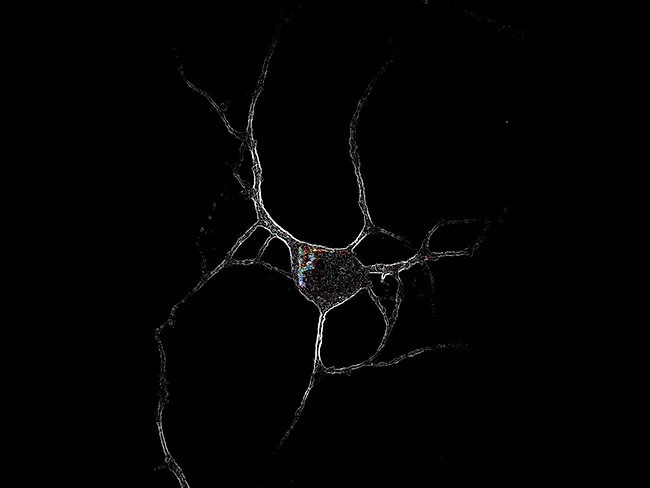
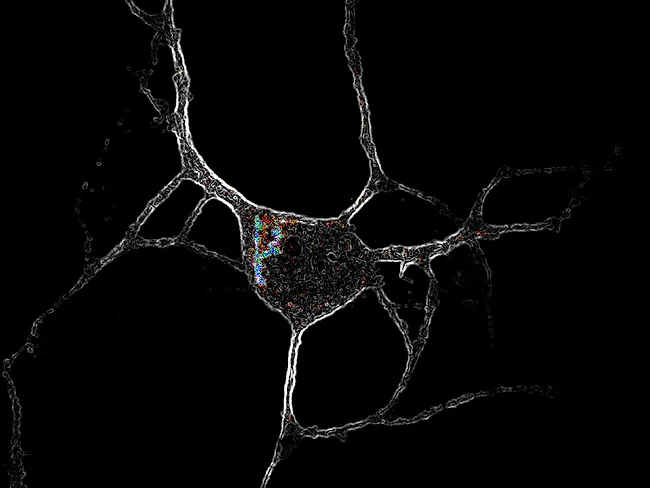
Psychedelic drugs may exert their effects at intracellular serotonin receptors that serotonin itself, which does not cross cell membranes, cannot reach. The findings were published in the Feb. 17, 2023, issue of Science by researchers from the University of California at Davis.
The steadily percolating psychedelic drug space stands poised to generate a near-term stream of potentially encouraging developments in a range of mental health disorders, including depression, anxiety, post-traumatic stress disorder and more.
Psychedelic drugs may exert their effects at intracellular serotonin receptors that serotonin itself, which does not cross cell membranes, cannot reach. The findings were published in the Feb. 17, 2023, issue of Science by researchers from the University of California at Davis. An accompanying editorial by Evan Hess and Todd Gould at the University of Maryland School of Medicine called them “a key achievement in the understanding of the mechanism of action of psychedelics” and “an important step forward for a rapidly expanding and much-needed field of study.”
The burgeoning psychedelic therapeutics market experienced a boost Jan. 25 as Small Pharma Inc. announced its synthetic, intravenous formulation of N,N-dimethyltryptamine (DMT), SPL-026, led to a statistically significantly, rapid reduction in depression symptoms in patients with major depressive disorder in a phase IIa trial, thus meeting its primary endpoint. DMT is a powerful hallucinogenic tryptamine substance which works as a 5-HT receptor agonist. It is found naturally in various plants, and is a schedule I controlled substance in the U.S. Although lesser known than other psychedelics such as magic mushrooms and LSD, it produces short-lived but intense auditory and visual hallucinogenic effects.
Sensorium Therapeutics Inc. closed a $30 million series A round to fund the discovery and development of new psychiatric drugs, inspired by human ethnobotanical practices that date back hundreds or even thousands of years.
The potential for psychedelics to deliver long-lasting benefits for people with anxiety, depression, post-traumatic stress disorder and addiction is being put to the test in Australia, where new research and discovery centers are adding to a global enterprise of nearly 100 clinical trials underway in the space.