Sanofi SA and GSK plc were beat to market during the first wave of COVID-19 by vaccines from upstarts such as Biontech SE and Moderna Inc. – but the French and U.K. vaccine specialists are gaining traction in the race to develop booster shots against newer variants.
Based on a preliminary data analysis of its second and newest COVID-19 booster candidate, Moderna Inc. said it plans to ask the U.S. FDA to approve mRNA-1273.214 ahead of potential shipping in late summer 2022. The vaccine contains mRNA-1273 (Spikevax) and a vaccine candidate targeting omicron. New phase II/III results show the candidate hitting all the study’s primary endpoints when compared to Moderna’s original vaccine, mRNA-1273.
Two days after the U.S. FDA authorized a single booster dose of the Pfizer Inc.-Biontech SE COVID-19 vaccine for children ages 5 to 11, the U.S. CDC’s Advisory Committee on Immunization Practices (ACIP) gave its blessing to the third dose.
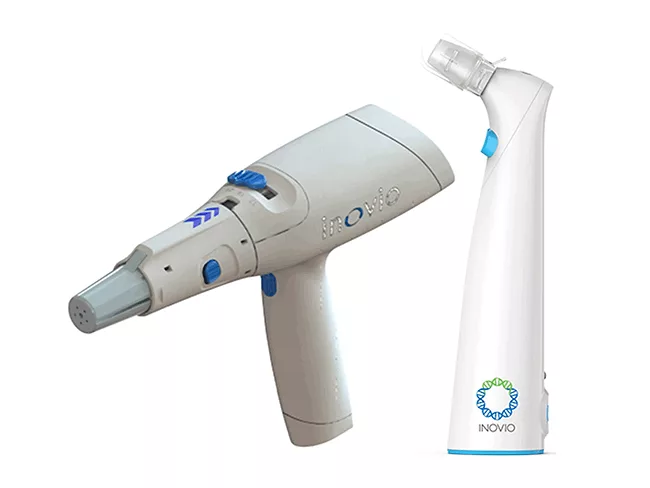
Newly appointed President and CEO Jackie Shea looks to have her work cut out for her, as Inovio Pharmaceuticals Inc. decided to ditch its phase II/III COVID-19 vaccination trial in favor of pursuing a booster strategy with INO-4800. That update, disclosed during Inovio’s first-quarter earnings late May 10 alongside a likely delay in filing for approval of HPV immunotherapy candidate VGX-3100, sent the stock (NASDAQ:INO) falling 27% May 11. Over the past year, shares have fallen more than 70%.
First results from the U.K. Cov-Boost trial, looking at responses to a fourth dose of an mRNA COVID-19 vaccine, show that antibody levels increase more than after the third dose, confirming the precautionary move to give the most vulnerable a second COVID-19 booster in advance of immune response data being available.
The U.S. COVID-19 vaccine program is at risk of “booster fatigue,” which will undermine public confidence in the vaccines, several members of the CDC’s Advisory Committee on Immunization Practices (ACIP) said April 20 as they met to discuss the future of the vaccines. Rather than relying on boosters, “we need to use our expertise to advocate for something that’s better,” something that resolves the ill effects of COVID-19, whether it’s mild or severe, said Lynn Bahta, an immunization program clinical consultant for the Minnesota Department of Health.
Citing the lack of clear evidence that vaccine protection against severe COVID-19 disease is substantially waning in the EU in people younger than 80, the European Centre for Disease Prevention and Control and the EMA’s COVID-19 task force concluded that it’s too early to consider using a fourth dose, or second booster, of mRNA COVID-19 vaccines in the general population.
After COVID-19 reached a pandemic peak in January due to the omicron variant, infections in the U.S. are now hitting the lowest levels since March of 2020. During the past week, there were 195,963 confirmed SARS-CoV-2 infections in the country, according to Johns Hopkins University data. That is 5.5% fewer infections than the same week two years ago and 56% fewer than last year. Deaths are also down to 5,602 for the week, although there were lower points in the spring and summer months of 2020 and 2021.
"Now is the time to discuss the need for future boosters as we aim to move forward safely, with COVID-19 becoming a virus like others such as influenza that we prepare for, protect against and treat,” the FDA’s Peter Marks said in announcing an April 6 virtual meeting of the Vaccines and Related Biological Products Advisory Committee (VRBPAC).
Livzon Pharmaceutical Group Inc.’s key interim data from the phase III trials of its recombinant SARS-CoV-2 fusion protein vaccine, V-01, has shown efficacy against the omicron variant. The phase III trial aims to evaluate the efficacy, safety and immunogenicity of V-01 as a booster in adults older than 18 after they have received two doses of inactivated vaccines.