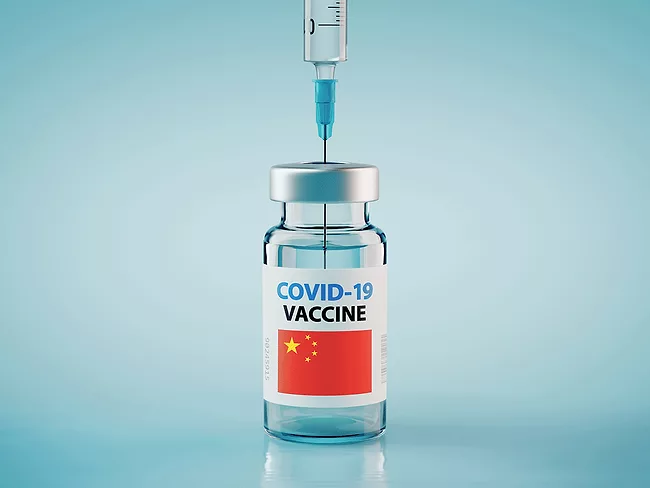
China is the latest country mixing things up when it comes to COVID-19 boosters. Since boosters were implemented in China in October, adults have been given a third dose of their primary vaccine regimen, which has consisted of one of three inactivated vaccines produced by Sinopharm Group Co. Ltd. and Sinovac Biotech Ltd.
Livzon Pharmaceutical Group Inc.’s key interim data from the phase III trials of its recombinant SARS-CoV-2 fusion protein vaccine, V-01, has shown efficacy against the omicron variant. The phase III trial aims to evaluate the efficacy, safety and immunogenicity of V-01 as a booster in adults older than 18 after they have received two doses of inactivated vaccines.
Xanadu Bio, a Yale University spinout developing an intranasal SARS-CoV-2 mRNA vaccine booster, has secured an exclusive license from the school for a polymeric nanoparticle delivery platform to support the project. The delivery tech could potentially have future applications for influenza, respiratory syncytial virus and even cystic fibrosis.
Administering multiple booster doses against COVID-19 is not sustainable in the longer term, international drug regulators said during a meeting of the International Coalition of Medicines Regulatory Authorities, held Jan. 12. Regulators argued that a long-term strategy should involve vaccines capable of tackling several variants at once, not just omicron, and that tweaking existing vaccines and comparing them with first-generation vaccines using clinical studies is the way forward, according to a report from the meeting.
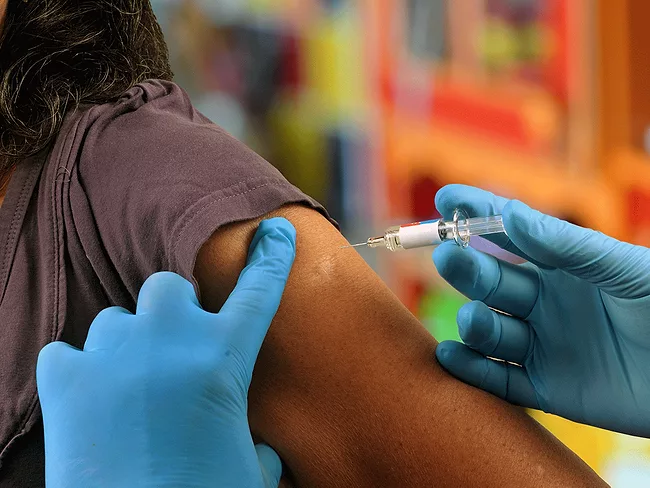
Once the CDC accepts the recommendation of its Advisory Committee on Immunization Practices (ACIP), the COVID-19 vaccine regimen, at least for the Pfizer Inc.-Biontech SE vaccine, will include a booster dose for everyone 12 and older. ACIP voted 13-1 at a Jan. 5 emergency meeting to recommend the booster dose for 12- to 17-year-olds at least five months after a primary series of the Pfizer vaccine.
Aridis Pharmaceuticals Inc. is one of two companies posting COVID-19 data just days before Christmas. Its fully human monoclonal antibody cocktail, AR-701, was shown to be broadly reactive against COVID-19 variants, including Omicron, in preclinical research. Moderna Inc. also posted new data that showed preliminary neutralizing data against Omicron following 50-mg doses of its vaccine, which is currently authorized, and 100-mg dose boosters, which increased neutralizing antibody levels 83-fold from the pre-boost levels.
LONDON – Each of six different COVID-19 vaccines given as booster doses were safe and increased immunity when administered after two doses of either Pfizer Inc.’s or Astrazeneca plc’s vaccine, according to the latest data from the U.K. Cov-Boost trial.
Despite some concerns from a few members, the Advisory Committee on Immunization Practices unanimously approved recommendations to the CDC that boosters be made available to those wanting them. The advisory committee recommended that a single COVID-19 vaccine booster dose be given six months or more after completing an mRNA primary series in the same risk group for whom the CDC recommended a booster dose of Pfizer Inc-Biontech SA’s vaccine. The CDC presented data to the committee that the single mRNA COVID-19 vaccine dose be given to those age 65 and older, for those at least 18 years old and reside in long-term-care settings, and also for those ages 50 to 60 with certain underlying medical conditions.
As largely expected, the FDA on Oct. 20 authorized the use of booster doses for COVID-19 vaccines from Moderna Inc. and Johnson & Johnson, in line with last week’s Vaccines and Related Biological Products Advisory Committee (VRBPAC) meetings. It also cleared the way for “mix-and-match” boosters, allowing eligible people to receive boosters from any of the FDA-approved vaccines, regardless of which vaccine they received originally.
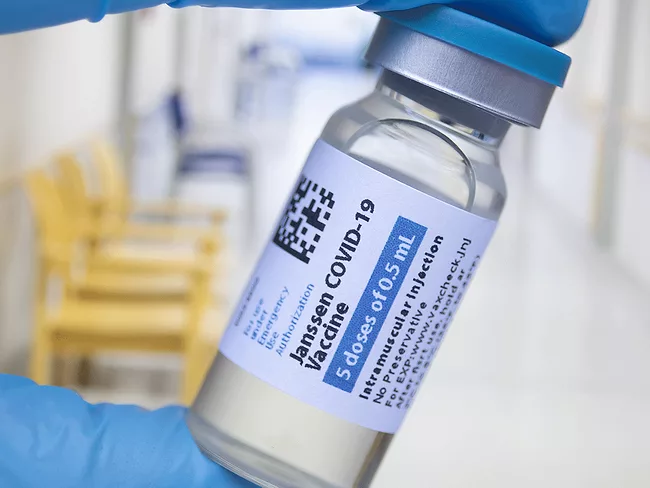
The FDA’s Vaccines and Related Biological Products Advisory Committee unanimously agreed to recommend a booster dose of Janssen Biotech Inc.’s COVID-19 vaccine for those age 18 years and older at least two months following the first dose. In the end, the vote swung on numbers from Janssen showing a booster significantly improved efficacy among study participants. Janssen’s data leaped to 94% protection after a booster dose, up from 70% efficacy following the first dose. That higher efficacy rate nearly matches that of the mRNA vaccines from Moderna Inc. and Pfizer Inc.-Biontech SE.