In the gastrointestinal tract, intraepithelial lymphocytes are tasked with protecting the epithelium against pathogens and participating in wound repair and correct mucosal barrier functioning. In a study published in the Sept. 15, 2023, issue of Science, researchers at King’s College London and collaborators have identified a specific subset of gamma-delta (γδ) T cells in the human gut, Vγ4 cells, which seems to protect against inflammatory bowel disease (IBD) progression.
A new drug that inhibits the glutamate carboxypeptidase II (GCPII) enzyme could be used to treat inflammatory bowel disease (IBD), according to a new study in mice and human organoids. After decades of research trying to design GCPII inhibitors against neurological disorders, the new compound could be effective for another use.
Microba Life Sciences Ltd. has started dosing patients in a phase I trial of its gut microbiome-derived therapeutic, MAP-315, for ulcerative colitis, the major form of inflammatory bowel disease (IBD).
Microba Life Sciences Ltd. has started dosing patients in a phase I trial of its gut microbiome-derived therapeutic, MAP-315, for ulcerative colitis, the major form of inflammatory bowel disease (IBD).
Just over a month after expressing “substantial doubt that the company can continue as a going concern,” Aeglea Biotherapeutics Inc. came back from the brink with a deal to take over Spyre Therapeutics Inc. in a stock-for-stock transaction, signed concurrently with an agreement to raise $210 million via the sale of series A preferred shares.
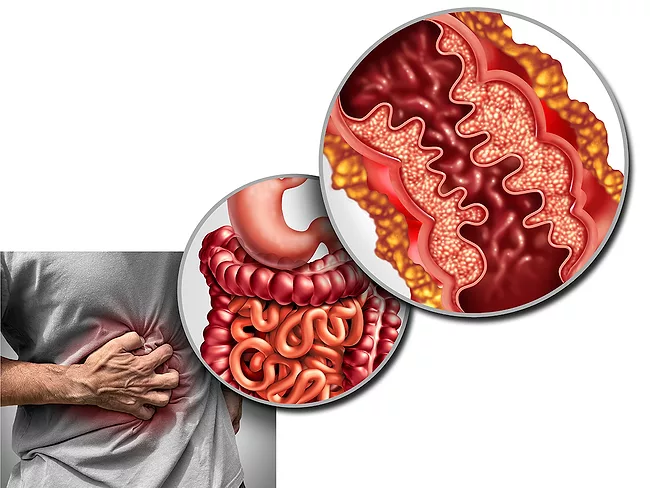
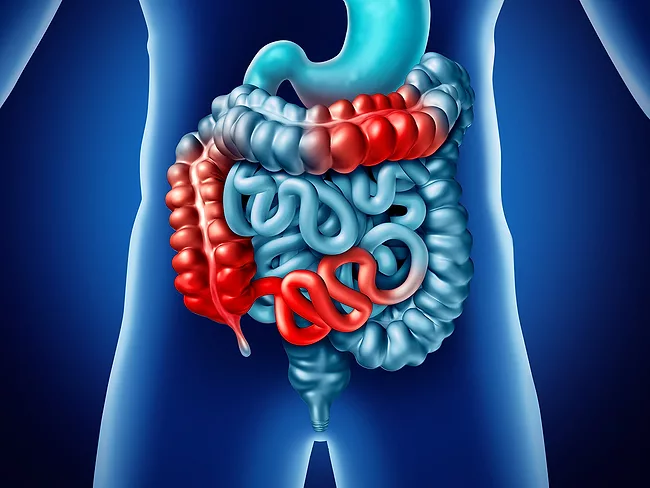
Inflammatory bowel disease (IBD) is a chronic, immunologically mediated disorder of the gastrointestinal tract in which tissue damage and sustained inflammation lead to long-term dysfunction of the gastrointestinal tract.
The long-anticipated top-line phase IIa study results for Morphic Therapeutic Inc.’s oral alpha 4 beta 7 integrin inhibitor, MORF-057, have surpassed even the company’s own expectations, with a significant decline in disease activity seen in moderate to severe ulcerative colitis (UC) patients combined with a safety profile consistent with phase I findings.
The farnesoid X receptor (FXR), a bile acid receptor, plays a direct role regulating innate immune cells in the gut, and treating mice with an FXR agonist improved symptoms of inflammatory bowel disease (IBD). The findings provide a link between diet and innate immunity, and could lead to better ways to treat IBD. “The intestine is a major target for inflammation and inflammatory disease, particularly in the modern Western culture, where high-fat diets are becoming very prevalent,” Ronald Evans told BioWorld.
Aqualung Therapeutics Corp. has been awarded two 3-year National Institutes of Health (NIH) Fast Track awards to support development of ALT-100 (enamptcumab), a humanized monoclonal antibody therapy for the chronic indications of pulmonary arterial hypertension (PAH) and inflammatory bowel disease (IBD).