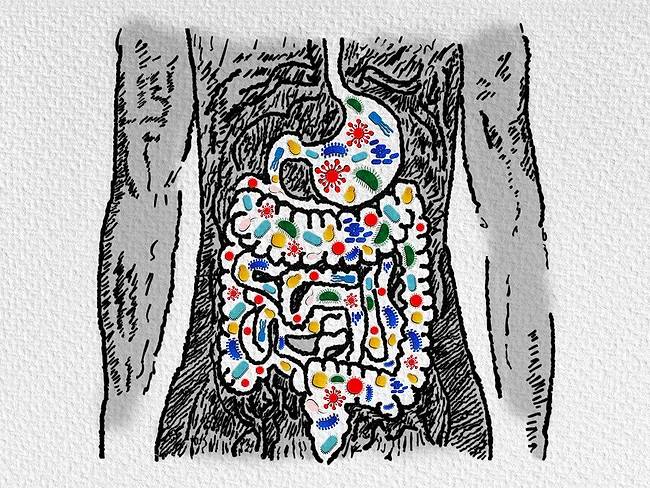
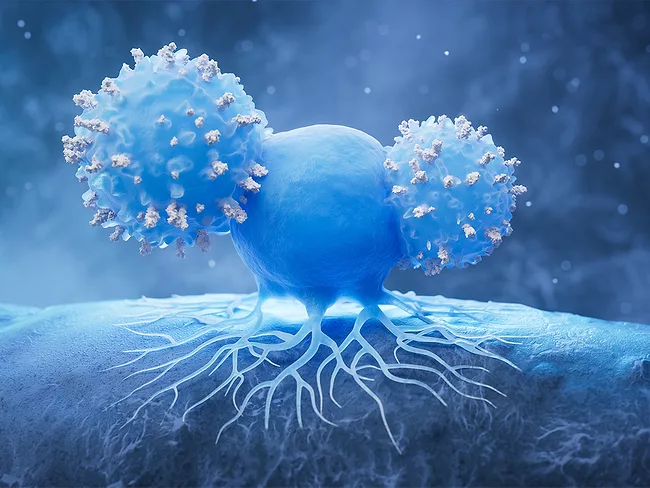
Cancer researchers are increasingly turning to the microbiome to understand why some patients respond well to treatment while others face severe complications. Gut microbial communities shift during intensive therapies such as bone marrow transplantation, and those changes influence infection risk, immune recovery and long‑term survival. New advances in microbial sequencing and engineering redefine this community as a measurable clinical parameter that can be monitored, modeled, and even therapeutically reshaped to improve outcomes in oncology and other conditions.
Cancer researchers are increasingly turning to the microbiome to understand why some patients respond well to treatment while others face severe complications. Gut microbial communities shift during intensive therapies such as bone marrow transplantation, and those changes influence infection risk, immune recovery and long‑term survival. New advances in microbial sequencing and engineering redefine this community as a measurable clinical parameter that can be monitored, modeled, and even therapeutically reshaped to improve outcomes in oncology and other conditions.
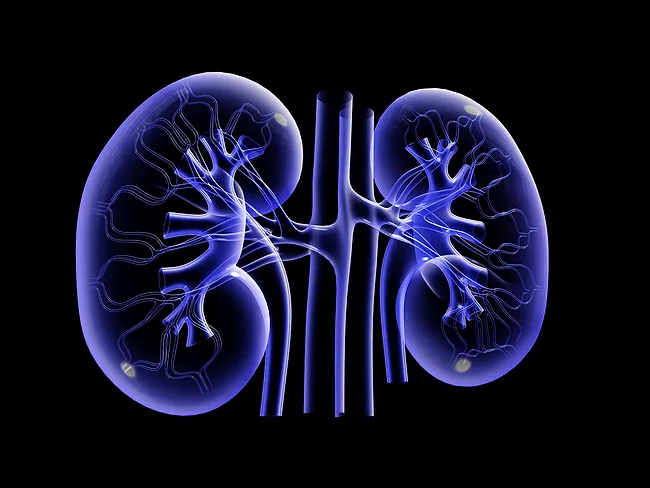
A team at the University of California, Los Angeles (UCLA) found that injured kidneys produce ectonucleotide pyrophosphatase/phosphodiesterase family member 1 (ENPP1), a protein that hydrolyzes extracellular ATP into AMP and pyrophosphate, and that impedes tissue repair.
Researchers at UCLA have shown that divergent neuronal signaling in fragile X mice converges on EPAC2, a druggable target whose inhibition restores circuit activity and alleviates core behavioral impairments.
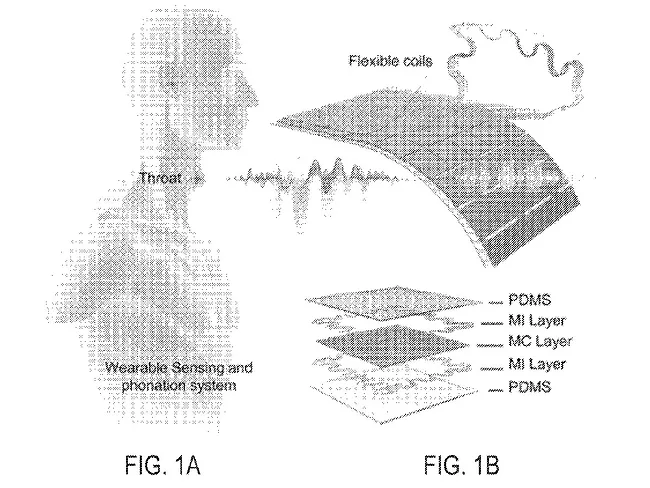
Jun Chen, a tenured associate professor of bioengineering at the Samueli School of Engineering at the University of California Los Angeles (UCLA), leads a team developing a speech-sensing wearable patch. The technology translates the intricate muscle movements of the larynx into discernible speech.
Pancreatic cancer is a leading cause of cancer-related deaths worldwide and presents a 5-year survival rate of under 12%. Most patients are diagnosed at an advanced stage, with over half of them presenting with metastatic disease at diagnosis.
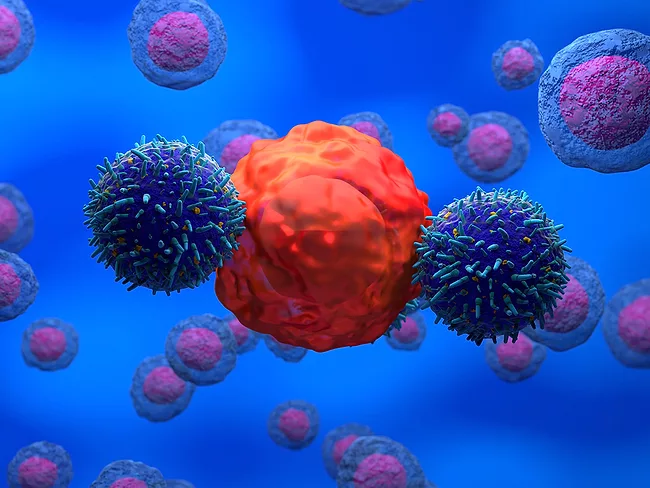
Researchers at the University of California, Los Angeles (UCLA), have developed a new type of allogeneic immune cell therapy that demonstrated potent antitumor activity against triple-negative breast cancer (TNBC) in preclinical studies.
The FDA has cleared AD-NP1, a drug developed by University of California, Los Angeles (UCLA) for heart tissue regeneration, to enter clinical trials. The monoclonal antibody blocks the production of ENPP1 protein, which was found to interfere with healing after a heart attack.
Renal cell carcinoma accounts for approximately 90% of kidney cancers, and current treatments fail to prevent metastasis in up to 40% of patients. Potentially effective is immunotherapy based on CAR T cells that recognize CD70, which is little expressed in normal tissues but is expressed in more than 80% of renal cell carcinomas. However, such CAR T immunotherapy has so far not shown overwhelming success against renal cell carcinoma, and the therapeutic cells must be derived for each patient individually.
Glioblastoma, the most aggressive and lethal form of brain cancer in adults, has long evaded effective treatment due to its resistance to standard therapies, including surgical resection, radiation, chemotherapy and targeted agents.