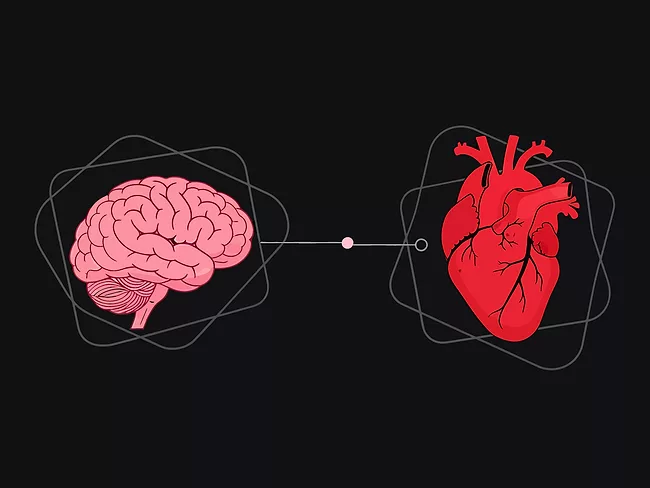
The neural and neuroimmune mechanisms behind myocardial infarction-triggered cardiac events, immune responses and activation of the nervous system remain largely unexplored. The heart and the brain talk to each other in what is known as cardioception. This communication between the two organs is orchestrated through neurons of the vagus nerve or the dorsal root ganglia, among others. Researchers from the University of California, San Diego have now shown that the dynamics of these interactions may play a crucial role in modulating inflammation, repair and cardiac functioning.
Fat tissue balances energy by storing lipids during times of abundance and mobilizing them when needed, yet sustained metabolic stress demands mechanisms that limit excessive lipid loss. Researchers at the University of California San Diego (UCSD) report that stress-induced fat breakdown triggers a neutrophil response in visceral adipose tissue that feeds back to restrain lipolysis and preserve lipid reserves.
Fat tissue balances energy by storing lipids during times of abundance and mobilizing them when needed, yet sustained metabolic stress demands mechanisms that limit excessive lipid loss. Researchers at the University of California San Diego (UCSD) report that stress-induced fat breakdown triggers a neutrophil response in visceral adipose tissue that feeds back to restrain lipolysis and preserve lipid reserves.
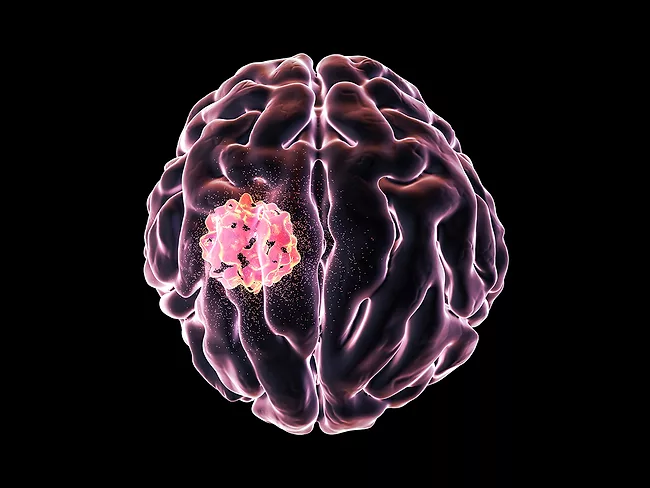
Glioblastoma multiforme (GBM) is the most aggressive and common type of brain cancer in adults, with a dismal prognosis despite current treatments. Previous work found that neurodevelopmental pathways drive glioma tumor initiation, maintenance and progression through fetal oncogenes, which are active in development and cancer but largely absent in adult tissues, offering precise therapeutic targets with minimal off-target effects.
Researchers have identified KpsM as a virulence factor in Escherichia coli that was responsible for liver damage in alcohol-associated hepatitis (AH). A small-molecule inhibitor of KpsM reduced liver damage in animal models of AH.
Down syndrome (DS) is the most prevalent genetic cause of Alzheimer’s disease (AD). Previous evidence suggests that increased dosage of the amyloid precursor protein (APP) gene plays a crucial role in AD in individuals with Down syndrome (DS-AD), making APP expression a crucial therapeutic target.
Praetego Inc. and University of California San Diego scientists reported preclinical results for the new small-molecule amadorin PTG-630, a brain-penetrant drug candidate that inhibits the formation of advanced glycation end-products (AGEs).
Researchers at the University of California San Diego have uncovered a key mechanism underlying the treatment resistance of melanoma with the BRAF V600E mutation through pathways involved in focal adhesion and extracellular matrix (ECM) remodeling. These two processes remodel the tumor cell environment in melanoma through the RAF/MEK cell signaling pathway. However, the combined use of FAK inhibitors with a RAF-MEK clamp overcame this resistance.
The PD-1 receptor, a major immune checkpoint inhibitor whose signaling is the target of multiple blockbuster anticancer drugs, differs functionally between rodents and humans in previously unknown ways. Researchers from the University of California, San Diego, and co-authors at the Chinese Academy of Sciences and the National Cancer Institute reported these findings in the Jan. 3, 2025, online issue of Science Immunology.
Mapping brain circuits and studying the neural signals that are activated during post-traumatic stress could provide an answer to the generalized fear associated with this disorder. Scientists at the University of California, San Diego have identified a change in the expression of neurotransmitters as an adaptive response that could trigger this effect.