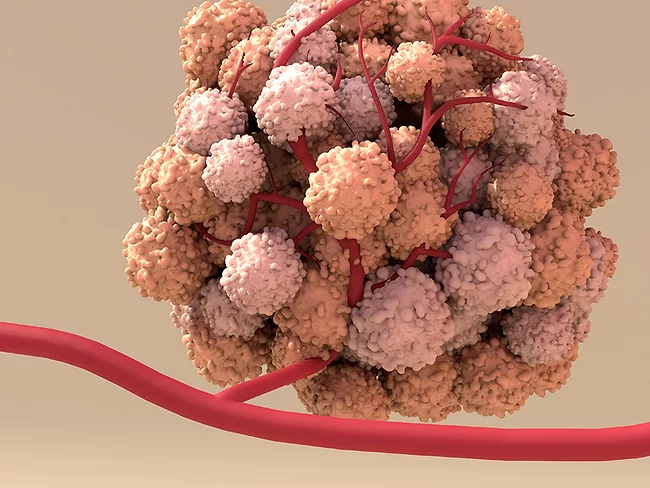
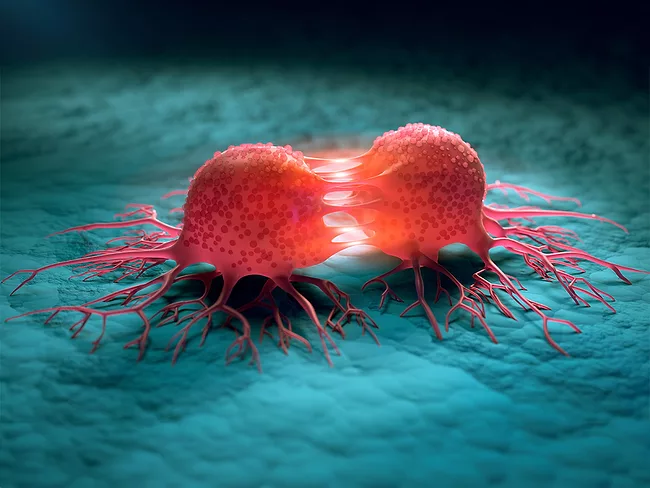
Mixed lineage kinase domain-like pseudokinase (MLKL), a key effector of necroptosis, is highly expressed in hepatocellular carcinoma (HCC), and its targeting may promote parthanatos-mediated immunogenic cell death. Researchers from the Chinese Academy of Sciences and collaborators described the discovery and preclinical characterization of C-116, a MLKL PROTAC degrader developed using AI-assisted rational drug discovery.
Researchers from the Chinese Academy of Sciences reported the design and preclinical characterization of YCH-3971, a selective PARP1 inhibitor developed for the treatment of BRCA-mutated tumors.
If one could sweep the brain clean and send the toxic substances that drive neurodegeneration to the recycling bin, perhaps one could treat Alzheimer’s disease. Researchers at the Chinese Academy of Sciences propose a new therapeutic strategy that uses synthetic peptides that bind to amyloid-β (Aβ) and direct it toward lysosomes. In addition, researchers at the Washington University School of Medicine in St. Louis have genetically modified astrocytes in vivo to express chimeric antigen receptors (CARs) that recognize and phagocytose Aβ plaques.
Dysregulation of the mechanistic target of rapamycin (mTOR) signaling pathway is frequently observed across a wide range of cancers and contributes to uncontrolled cell proliferation, enhanced cellular metabolism, and tumor progression.
If one could sweep the brain clean and send the toxic substances that drive neurodegeneration to the recycling bin, perhaps one could treat Alzheimer’s disease (AD). Researchers at the Chinese Academy of Sciences propose a new therapeutic strategy that uses synthetic peptides that bind to amyloid-β (Aβ) and direct it toward lysosomes. In addition, researchers at the Washington University School of Medicine in St. Louis have genetically modified astrocytes in vivo to express chimeric antigen receptors (CARs) that recognize and phagocytose Aβ plaques.
Fibroblast growth factor receptor 2 (FGFR2) is a transmembrane tyrosine kinase that regulates signaling pathways controlling cell survival and proliferation. Dysregulation of FGFR2, through amplification or activating mutations, contributes to tumor development, making it an attractive target for therapeutic intervention in oncology.
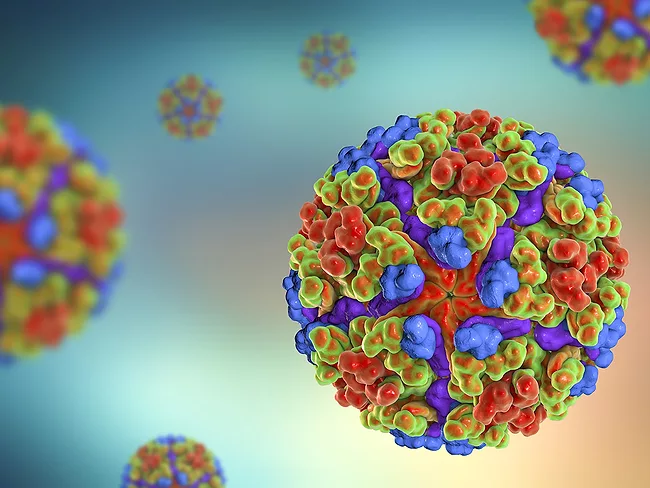
Chikungunya virus is a positive-sense single-stranded RNA virus for which no antiviral therapy has been approved. Nucleotide analogues are among the most promising broad-spectrum antivirals, as they inhibit viral RNA-dependent RNA polymerase, an essential enzyme for RNA virus replication.
Idorsia Pharmaceuticals Ltd. and Shanghai Institute of Materia Medica of The Chinese Academy of Sciences have discovered 1,2,3-triazole derivatives acting as L-amino acid oxidase (IL4I1; LAAO) inhibitors designed for use in the treatment of cancer.
Scientists at Healzen Therapeutics Co. Ltd. and Shanghai Institute of Materia Medica of the Chinese Academy of Sciences have described GTPase KRAS (G12D mutant) inhibitors reported to be useful for the treatment of cancer.
Researchers at Shanghai Institute of Materia Medica of the Chinese Academy of Sciences, Suzhou Vigonvita Life Sciences Co. Ltd. and Vigonvita Shanghai Co. Ltd. have described NMDA and serotonin receptor antagonists reported to be useful for the treatment of neurological disorders.