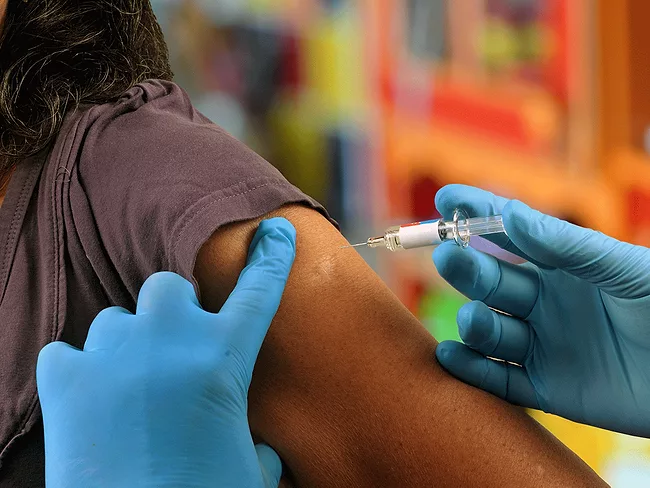
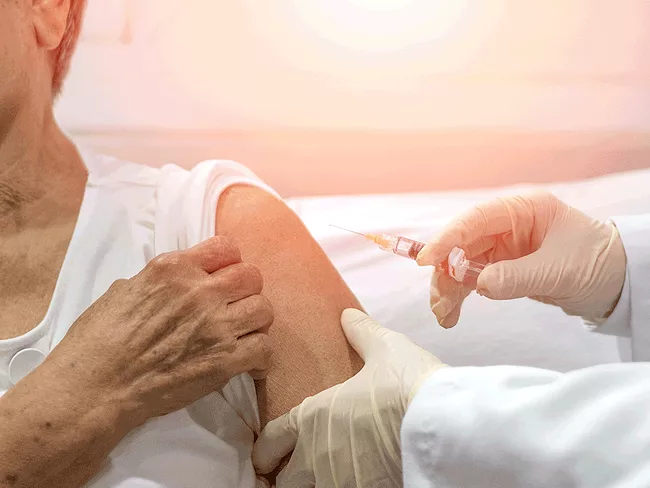
With the U.S. FDA’s approval of Enflonsia (clesrovimab) to prevent respiratory syncytial virus (RSV) infection lower respiratory tract disease in newborns and infants, Merck & Co. Inc. steps into a space of competition and regulatory shifts. The preventive, long-acting monoclonal antibody (MAb)
will take its place in the market alongside the blockbuster Beyfortus (nirsevimab) from Sanofi SA and Astrazeneca plc. The MAb for pediatric use brought in about $1.77 billion in 2024.
Many respiratory syncytial virus (RSV) disease vaccines are for older adults but Merck & Co. Inc.’s monoclonal antibody, MK-1654 (clesrovimab), which just produced positive top-line phase IIb/III data, aims at a far smaller and younger market. Data for protecting healthy preterm and full-term infants from RSV disease show the double-blind, randomized, placebo-controlled clinical trial hit all its primary efficacy and safety endpoints, including the incidence of RSV-associated medically attended lower respiratory infection for 150 days compared to placebo.
With two respiratory syncytial virus (RSV) vaccines approved by the U.S. FDA in 2023 and a third nearing its May PDUFA date, decades of research has finally provided infants and older adults protection from the disruptive and sometimes deadly virus. But what about people in the middle, particularly those with certain chronic medical conditions? New York-based Pfizer Inc. rolled out phase III data April 9 showing that its approved RSV vaccine, Abrysvo (RSVpreF), met primary endpoints in adults ages 18 to 59 who were at high risk of RSV.
A safe and effective vaccine for preventing respiratory syncytial virus (RSV), a common and sometimes serious respiratory infection, had eluded biopharma for decades. But in 2023, the world saw the first – and second – vaccine hit the market.
The U.S. FDA approved Pfizer Inc.’s respiratory syncytial virus (RSV) prophylactic, Abrysvo (RSVpreF) for maternal use, providing pregnant women with the option of protecting their newborns up to the age of 6 months against RSV for the first time. The regulator’s Vaccines and Related Biological Products Advisory Committee voted 14-0 in favor of approving the BLA for maternal use of the vaccine in May, a few weeks before the agency gave it the go-ahead for use in older adults (those ages 60 and older).
Sanofi SA and Astrazeneca plc had a lot to celebrate July 17 when the FDA approved Beyfortus (nirsevimab) ahead of schedule, making it the first respiratory syncytial virus (RSV) prophylactic for infants in the U.S. “This is just really an historic day,” Michael Greenberg, a Sanofi vice president and medical head of the company’s North America vaccines unit, told BioWorld. The companies had been expecting the FDA decision later this quarter. The earlier approval suggests the FDA appreciated the urgency of having time for health systems and doctors to get the drug ahead of the next RSV season, Greenberg said.
Having already notched approvals in the EU and U.K., Astrazeneca plc hopes to prime the pump for a U.S. approval of nirsevimab as a respiratory syncytial virus (RSV) prophylactic for infants when it makes its case June 8 before the FDA’s Antimicrobial Drugs Advisory Committee.
Becoming the second approved respiratory syncytial virus (RSV) vaccine for the 60 and older crowd, Pfizer Inc.’s Abrysvo (RSVpreF; PF-06928316) received a U.S. FDA nod on May 31 for RSV lower respiratory tract disease. In February, the agency’s Vaccines and Related Biological Products Advisory Committee voted 7-4 that data support both the safety and efficacy of the vaccine. Behind this approval for the senior population is another potential approval, expected in August, for infants via maternal inoculation.
Efficacy data for Pfizer Inc.’s respiratory syncytial virus (RSV) vaccine proved convincing for members of the U.S. FDA’s Vaccines and Related Biological Products Advisory Committee, which voted 14-0 May 18 in favor of Abrysvo’s effectiveness when administered during the second or third trimester of pregnancy to protect infants from birth to 6 months, with the adcom endorsing safety data in a 10-4 vote.
Although the U.S. FDA’s Vaccines and Related Biological Products Advisory Committee (VRBPAC) voted unanimously, 12-0, March 1 that the data GSK plc presented was adequate to support the safety of its respiratory syncytial virus vaccine, several panelists cautioned the FDA against viewing the vote as a recommendation to license the vaccine before more data are available.