Many industry watchers are looking to 2023’s Humira biosimilar launch in the U.S. as a portent of the future of biosimilars. While it should help raise awareness of biosimilars in general and produce savings in the immunology sector, its distinctness could make it an outlier in the world of current and future biosimilar competition.
Even though the EU had approved more than a dozen biosimilars by 2012, the follow-on biologics were still in their embryonic stage around the world when BioWorld published The Biosimilars Game: A Scorecard for Opportunities, Threats and Critical Strategies in early 2013. Now, nearly a decade later, the global biosimilar landscape has matured with many more biosimilars approved across the globe, but the uptake, and thus the savings, is not what some policy makers and people in industry had hoped for or expected.
Long considered a make-or-break market for novel drugs and biologics and a success story for generics, the U.S. has been more challenging for biosimilars than many experts initially expected. U.S. biosimilar “uptake has been good, but not great,” Steven Lucio, senior principal for pharmacy solutions at Vizient Inc., told BioWorld. That could change next year when at least seven biosimilars referencing Abbvie Inc.’s immunosuppressive drug, Humira (adalimumab), are expected to launch in the U.S.
Investigators at Washington State University (WSU) have identified a set of eight proteins that were expressed in the serum of Ursus arctos horribilis, better known as the grizzly bear, specifically during their hibernation period. In addition to reporting new basic insights into hibernation, the study, which was published in the Sept. 21, 2022, issue of iScience, could also give clues to insulin resistance and its relationship to body fat.
Data presented Sept. 9 at the European Society of Medical Oncology 2022 Congress showed impressive effects for KRAS inhibitors. But they also illustrated their limitations. Earlier-stage trials and researcher presentations, meanwhile, suggested ways those limitations might be addressed. Results from the Codebreak 200 study, presented in the day’s Presidential Symposium, were typical of the best that targeted therapies have to offer: large effects for brief time periods.
Amgen Inc. has described tricyclic-amido-bicyclic compounds acting as protein arginine N-methyltransferase 5 (PRMT5) inhibitors reported to be useful for the treatment of cancer.
If the U.S. Supreme Court agrees to hear Teva Pharmaceuticals USA Inc. vs. Glaxosmithkline LLC, it could be one of the biggest biopharma cases on the court’s calendar in the coming year. But that’s still an if. Whether the patent infringement case involving a so-called “skinny label” makes it to the high court’s docket depends on which interpretation of the underlying question the court accepts.
As expected, the U.S. House of Representatives passed, on a 220-207 party-line vote, a legislative package Aug. 12 that, for the first time, allows Medicare to directly negotiate some prescription drug prices, while imposing severe penalties and an excise tax on companies that refuse to negotiate or don’t comply with the government price.
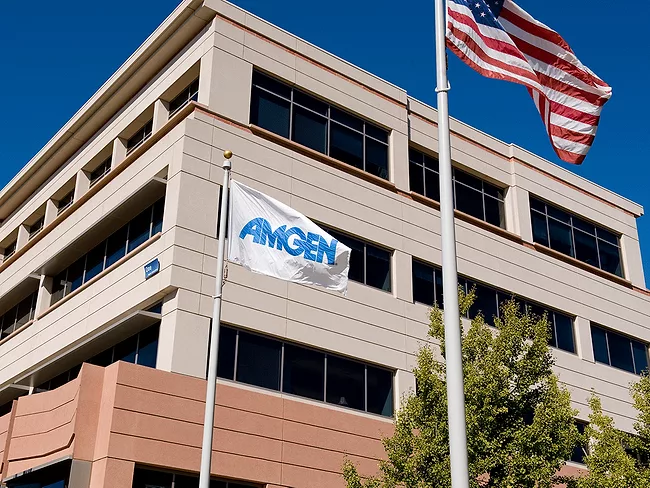
Amgen Inc. is paying $3.7 billion in cash to buy Chemocentryx Inc. The deal, with Amgen paying $52 per share for Chemocentryx stock, brings Amgen Tavneos (avacopan), a first-in-class medicine for treating antineutrophil cytoplasmic antibody-associated vasculitis, which destroys small blood vessels.
Barely a month after signing a €1 billion-plus deal with Menarini Group for cholesterol-lowering drug obicetrapib, Newamsterdam Pharma BV has struck a $235 million SPAC merger deal that will see the biotech list on Nasdaq in late 2022. The deal will finance phase III development and potential regulatory filings of the drug once dropped by Amgen Inc. as big pharma turned away from the cholesteryl ester transfer protein inhibitor drug class around five years ago.