Confo Therapeutics NV is banking an up-front payment of $40 million from a licensing deal with Eli Lilly and Co. involving its lead asset, CFTX-1554, an oral inhibitor of the angiotensin II type 2 receptor, which is in phase I development for neuropathic pain. The deal includes up to $590 million more in potential milestones and tiered sales royalties. Ghent, Belgium-based Confo could also secure a further $590 million in additional milestones should Indianapolis-based Lilly elect to take forward an antibody-based inhibitor directed against the same target.
Citing federal preemption, the U.S. Court of Appeals for the First Circuit tossed multidistrict litigation (MDL) involving GSK plc’s labeling of Zofran, an antiemetic approved for postoperative use and in conjunction with chemo or radiation, but that is commonly used off-label in pregnancy.
Once a rarity, billion-dollar deals are now coming fast and furious. Now three have appeared in only a few days. Gene therapy developer Voyager Therapeutics Inc. and Neurocrine Biosciences Inc. continued a longstanding partnership by agreeing to develop treatments for neurological diseases and for three new programs with rare CNS targets. Cytomx Therapeutics Inc. and Moderna Inc. entered a deal worth a potential $1.24 billion to Cytomx for generating and developing treatments in oncology and non-oncology. In the third deal, Royalty Pharma plc acquired an interest in Ionis Pharmaceuticals Inc.'s royalty in Biogen Inc.'s Spinraza (nusinersen) and Novartis AG's pelacarsen for up to $1.125 billion.
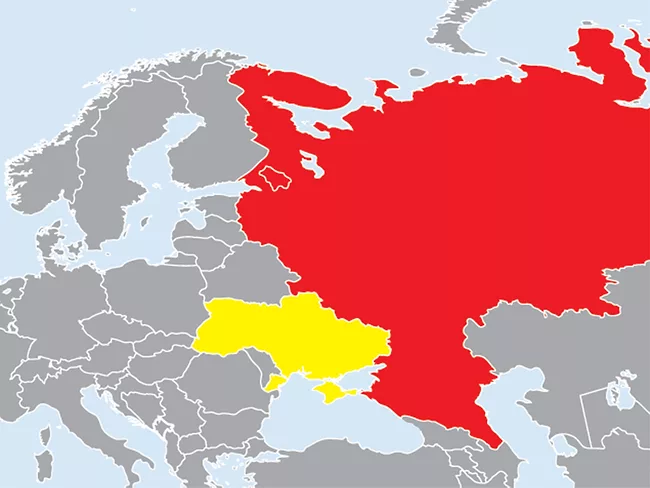
It was a year of turmoil in Europe as Russia’s invasion of Ukraine and the fall-out from the COVID-19 pandemic shaped the fortunes of the life sciences industry in 2022. After years of tension, Russia’s attempt to annex Ukraine on Feb. 24 caused outrage and disruption and was unanimously opposed on humanitarian grounds by the life sciences and pharma industry.
Novartis AG has identified triazolo-pyrimidine analogues acting as Werner syndrome ATP-dependent helicase (WRN) inhibitors reported to be useful for the treatment of cancer.
Treatment with anti-CD19 bispecific T-cell engager and CAR T therapies can lead to T-cell exhaustion and treatment failure. Novartis AG’s first-in-class anti-CD19, anti-CD3 and anti-CD2 IgG-like trispecific antibody PIT-565, which engages CD19+ on tumor cells, and CD3 (TCR signaling component) and CD2 (a costimulatory receptor) on T cells simultaneously to redirect T-cell cytotoxicity toward CD19-positive malignant B cells, has been designed to avoid T-cell exhaustion.
Erasca Inc. agreed to give Novartis AG $20 million cash up front and company shares (NASDAQ:ERAS) worth $80 million for an exclusive global license to naporafenib, a pan-RAF inhibitor for treating RAS/MAPK pathway-driven tumors, Erasca’s sweet spot. Erasca CEO Jonathan Lim told investors Dec. 9 that the therapy is complementary to the company’s portfolio, which includes 11 development programs targeting the pathway.